How to Transplant Forked spleenwort?
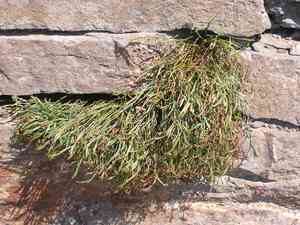
For forked spleenwort, the ideal period for relocation spans from the beginning of early spring until just before summer commences, facilitating prime root development. Select a rocky, adequately draining spot that receives filtered light. Carefully promote root expansion without particular measures for a smooth integration.
What Preparations are Needed Before Transplanting Forked Spleenwort?
What is the Ideal Time for Transplanting Forked Spleenwort?
The perfect time for moving forked spleenwort is from early spring's awakening to the peak of late spring. This period allows forked spleenwort to establish roots in mild temperatures and benefit from increased seasonal moisture. These conditions combine to create an ideal setting for forked spleenwort to flourish after relocation, ensuring the best start in its new spot. Choosing this timeframe helps forked spleenwort avoid summer heat stress and winter dormancy, promising a smooth transition to its new home.
How Much Space Should You Leave Between Forked Spleenwort Plants?
When relocating forked spleenwort, aim for a separation of 6-12 inches (15-30 cm). This provides ample room for them to grow without crowding, ensuring each plant can thrive with sufficient space for development.
What is the Best Soil Mix for Forked Spleenwort Transplanting?
For forked spleenwort, a well-draining soil rich in organic material provides an ideal habitat. Incorporate a balanced, slow-release fertilizer as a foundation to nourish your plants and promote vigorous growth.
Where Should You Relocate Your Forked Spleenwort?
Select a spot that offers bright, indirect light or partial shade for your forked spleenwort to ensure they receive adequate illumination without the harshness of direct midday sun. Settle them in a cozy location with filtered light for optimal health.
What Equipments Should You Prepare Before Transplantation Forked Spleenwort?
Gardening Gloves
To shield your hands while handling soil and plants.
Spade or Shovel
For excavating the plant from its original site and preparing the new planting hole.
Watering Can or Hose
To hydrate the plant before removal and moisten the new area.
Pruning Shears
To trim any dead or excess foliage and roots if required.
Wheelbarrow or Plant Pot
To move forked spleenwort to its new spot without causing damage.
Measuring Tape
To assist in maintaining adequate distance between new plantings.
Garden Fork
To gently loosen the soil surrounding the plant's root ball.
Mulch
To aid in retaining soil moisture after transplanting.
How Do You Remove Forked Spleenwort from the Soil?
How Do You Remove Forked Spleenwort from the Soil?
From Ground: Water forked spleenwort thoroughly to moisten the soil. Dig a circular trench around the plant with a spade, leaving a generous margin to include the root ball. Pry the spade beneath the roots and gently lift forked spleenwort from the ground.From Pot: Dampen the soil, then tilt the pot sideways and tap it to loosen forked spleenwort. Support forked spleenwort by its base and carefully extract it, keeping the root ball intact.From Seedling Tray: Water the soil and use a gardening tool or your fingers to carefully ease forked spleenwort from its cell, ensuring roots and soil remain undisturbed.
Step-by-Step Guide for Transplanting Forked Spleenwort
Preparation
Water forked spleenwort thoroughly the day before transplanting to ensure it is well-hydrated.
Removal
Depending on forked spleenwort's initial location, follow the outlined removal process to safely extract the plant with its root ball intact.
Transport
Place forked spleenwort gently in a wheelbarrow or pot, supporting it to prevent undue stress on roots and foliage during relocation.
Prepare New Site
Dig a hole twice the width of forked spleenwort's root ball and of equal depth to encourage root expansion. Amend the excavated soil with compost if needed, ensuring it's not overly rich.
Placement
Position forked spleenwort in the center of the new hole at the same depth it was originally growing. Adjust the root ball so forked spleenwort is upright and centered.
Fill Hole
Backfill the hole gently with soil, being careful not to heavily compact the soil around the root ball.
Watering
After planting forked spleenwort, water the surrounding soil thoroughly to settle it around the roots and eliminate air pockets.
Mulching
Apply a layer of mulch around forked spleenwort to help the soil retain moisture and deter weed growth.
How Do You Care For Forked Spleenwort After Transplanting?
Watering
Maintain consistent soil moisture around forked spleenwort for the initial few weeks. Water deeply and less frequently to promote root development.
Monitoring
Regularly inspect the foliage for signs of stress or wilting, which may indicate either insufficient or excessive watering.
Mulching
Replenish mulch as needed to conserve moisture and shield forked spleenwort from temperature extremes.
Pruning
Trim away any damaged or diseased fronds to help forked spleenwort direct energy towards establishing new growth.
Support
If forked spleenwort is tall or appears unstable, gently stake it until it is firmly rooted and self-supporting.
Troubleshooting Common Issues with Forked Spleenwort Transplantation.
When is the best time to transplant forked spleenwort?
The best time for transplanting is during cooler periods, from early to late spring, when temperatures are mild.
How far apart should I space forked spleenwort when transplanting?
Space forked spleenwort approximately 6-12 inches (15-30 cm) apart to ensure sufficient room for growth and air circulation.
Why is my forked spleenwort wilting after transplanting?
Wilting can be due to transplant shock. Minimize root disturbance and ensure proper watering to aid its recovery.
How deep should the hole be for transplanting forked spleenwort?
Dig a hole slightly larger than the root ball; it should fit comfortably without bending the roots.
Can I transplant forked spleenwort on a hot, sunny day?
It's best to transplant on a cloudy day or in the evening to prevent excessive heat stress.
How much should I water forked spleenwort after transplanting?
Water generously at the base immediately after transplanting, and keep the soil consistently moist for several weeks.
Should I fertilize forked spleenwort during transplanting?
Avoid immediate fertilization. Wait a few weeks until forked spleenwort has adjusted to its new location.
Why isn't my forked spleenwort growing after being transplanted?
Patience is essential. Forked spleenwort may prioritize root development first. Ensure good soil conditions and adequate water.
Can I transplant forked spleenwort in clay soil?
Amend heavy clay soil with organic matter to improve drainage and aeration before transplanting.
How can I protect forked spleenwort from pests after transplanting?
Monitor for pests. Regularly check and apply appropriate, gentle pesticides preventatively if necessary.



