Enhancing Your Garden Design with the Forked spleenwort Plant: A Landscaping Guide
1
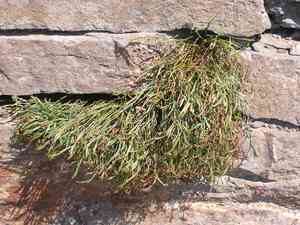
Forked spleenwort offers a refined and organic look, improving the garden's visual appeal.
2
This species is perfect for occupying compact or challenging areas within your garden layout.
3
After rooting, Forked spleenwort needs little upkeep, making it a practical option for gardeners with limited time.
Why Select Forked Spleenwort for Your Outdoor Space?
Aesthetic appeal: Its natural, delicate look enhances garden beauty
A primary reason to incorporate Forked spleenwort into your landscaping is its undeniable visual charm. This plant offers a natural, refined appearance that can significantly elevate your garden's aesthetics. Its finely branched, slender fronds create an airy texture, beautifully contrasting with plants having broader leaves. Whether aiming for a lush green backdrop or a minimalist, serene space, Forked spleenwort's subtle elegance can add a sophisticated touch to your outdoor areas.
Space utilization: Perfect for small and challenging garden spots
If your garden features confined, awkward areas that are difficult to fill, Forked spleenwort presents an excellent solution. Given its compact growth habit, this plant thrives in small or irregularly shaped spaces where other flora might struggle. Consider those narrow gaps between stones, steps, or along pathways. Integrating Forked spleenwort into these spots can not only occupy these tricky areas but also create a unified, complete look for your garden.
Low upkeep: Requires minimal attention once established
Another significant benefit of choosing Forked spleenwort is its minimal maintenance requirements. Once the plant is well-rooted, it needs very little intervention, making it ideal for gardeners seeking attractive yet low-effort additions. With Forked spleenwort, you won't need to worry about constant trimming, frequent irrigation, or heavy feeding. This allows you more time to enjoy your garden rather than toiling in it.
Integrating Forked Spleenwort into Your Landscape Design
Companion plants: Choosing flora that thrives in similar conditions
To maximize the integration of Forked spleenwort into your landscape, consider pairing it with compatible plants that flourish in similar light and soil conditions. Plants like ferns, hostas, and other shade-loving ground covers make excellent companions. By carefully selecting companion plants, you can create a garden that is not only visually pleasing but also promotes healthy growth for all involved flora.
Placement choice: Identifying optimal spots for planting Forked spleenwort
Location is crucial when planting Forked spleenwort. This plant prefers partially to fully shaded areas with well-drained soil. Ideal spots might include tree bases, rock gardens, or shaded garden borders. Avoid locations with direct, intense sunlight, as it can scorch the delicate fronds. By choosing the right spots, you ensure Forked spleenwort will thrive and positively contribute to your garden's overall design.
Design aesthetics: Achieving visual harmony through color and texture variations
Creating a balanced and visually appealing garden involves manipulating colors and textures. The fine, airy texture of Forked spleenwort can nicely contrast with plants that have bolder textures and colors, adding depth and interest to your garden design. Consider using Forked spleenwort to create contrast with plants featuring broad leaves or vibrant flowers. This not only enhances visual appeal but also fosters a harmonious and dynamic landscape.
Addressing Challenges in Growing Forked Spleenwort
Climate adaptation: Managing sun and shade exposure
While Forked spleenwort is relatively resilient, proper climate adaptation is essential. Ensure the plant receives adequate shade, especially in warmer climates, to prevent frond sunburn. In cooler regions, Forked spleenwort can tolerate a bit more sunlight but still prefers a shaded environment. Adjusting its sun and shade exposure according to your local conditions will significantly enhance its growth and lifespan.
Soil requirements: Ensuring suitable soil composition and pH balance
Soil conditions are vital for the healthy growth of Forked spleenwort. This plant prefers well-drained, slightly acidic to neutral soil (pH 6.0-7.0). If your garden soil doesn't meet these criteria, consider adding compost or organic matter to improve drainage and adjust the pH. Testing the soil before planting can help you make necessary amendments, providing Forked spleenwort with the best possible environment to flourish.
Pest management: Natural preventative treatments and remedies
Although Forked spleenwort is generally pest-resistant, it's wise to remain vigilant for potential issues. Common garden pests like slugs and snails can occasionally pose a threat. Employing natural preventive treatments such as neem oil, diatomaceous earth, or beer traps can help manage these pests without relying on chemical pesticides. Regularly inspect your plants and act at the first sign of pest activity to keep Forked spleenwort healthy and vibrant.
Seasonal Care Advice for Forked Spleenwort
Spring preparation: Pruning and fertilization strategies
Spring is the ideal time to trim any dead or damaged fronds on Forked spleenwort to encourage new growth. A balanced, slow-release fertilizer can also be applied to support the plant as it enters its active growing season. Ensure the soil remains moist but not waterlogged to provide an optimal environment for growth during the spring months.
Summer maintenance: Watering routines and heat management
During summer, maintaining a consistent watering schedule is crucial for keeping Forked spleenwort healthy. Water deeply, but allow the soil to dry out slightly between waterings to prevent root rot. If temperatures rise, consider providing extra shade or using mulch to help retain soil moisture and keep roots cool. With proper care, Forked spleenwort can thrive even during hot summer months.
Winter protection: Methods to safeguard Forked Spleenwort during cold periods
Winter protection is vital for Forked spleenwort, especially in regions with harsh winters. Apply a layer of mulch around the plant's base to insulate roots and retain moisture. Consider covering the plant with a frost cloth or moving potted specimens to a sheltered area to protect them from frost and cold winds. By taking these steps, you can ensure Forked spleenwort survives winter and recovers in spring.



