How Much Sunlight Do Forked spleenwort Need?
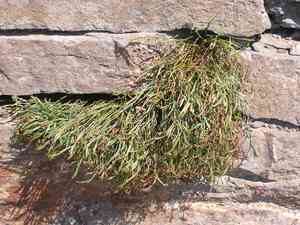
1
Forked spleenwort flourishes optimally in partial to full sun, ideally needing more than 6 hours of daily sunlight.
2
Modifying light exposure according to seasonal shifts can greatly affect your Forked spleenwort's vitality and development.
3
Observe your plant for indications of light-related stress, like yellowed foliage or inhibited development, to guarantee appropriate sun exposure.
Understanding Forked spleenwort Illumination Needs
Optimal Light Type for Forked spleenwort?
Regarding light requirements, Forked spleenwort exhibits considerable adaptability. This fern thrives in settings where it receives direct sunlight for a minimum of 6 hours daily. Nevertheless, it also tolerates partial sun, making it suitable for diverse indoor and outdoor environments. Ideally, provide your Forked spleenwort with balanced natural light exposure to emulate its native habitat.
Natural vs. Artificial Illumination for Forked spleenwort
While natural sunlight is frequently the superior light source for plants, Forked spleenwort can also acclimate to artificial lighting conditions. If your home lacks sufficient natural light, consider employing full-spectrum LED grow lights to supply the necessary light intensity. Position the grow light approximately 30-45 cm (12-18 inches) above the plant to ensure uniform light distribution without inducing heat stress.
Positioning Your Forked spleenwort for Optimal Sunlight
Best Indoor Placements for Forked spleenwort
Forked spleenwort performs well when situated near east or south-facing windows, allowing it to receive uninterrupted morning or early afternoon sunlight. Avoid placing the plant in dim corners or areas with restricted light exposure. If outdoor space is available, consider positioning the plant in a spot that gets filtered sunlight for adequate illumination and some protection from intense midday sun.
Utilizing Curtains and Blinds for Light Regulation
Controlling sunlight intensity is vital for indoor plant well-being. Employ sheer curtains to diffuse direct sunlight and prevent potential leaf scorching on your Forked spleenwort. Blinds can also assist in adjusting light exposure throughout the day, ensuring your plant receives appropriate light without overheating during peak sun hours.
Indications of Excessive or Insufficient Sunlight for Your Forked spleenwort
Signs of Light Stress in Forked spleenwort
Observe your Forked spleenwort for symptoms of light stress, which may include yellowing foliage, brown spots, or stunted development. Overexposure to strong sunlight can lead to leaf burn, while inadequate light might result in a pale appearance and elongated stems. Regularly inspect your plant to detect these signs early and modify its light conditions as required.
Adjusting Light Conditions for a Healthier Forked spleenwort
If you observe signs of light stress, re-evaluate your plant's placement and light exposure. For plants receiving too much sunlight, relocate them to a shadier spot or increase the use of diffusing curtains. Conversely, if your Forked spleenwort isn't getting enough light, consider moving it to a brighter area or supplementing with artificial light sources to enhance its growth and overall vitality.
Seasonal Light Fluctuations and Their Impact on Forked spleenwort
How Seasonal Changes Affect Light Availability
Sunlight availability varies with the seasons, influencing the light your Forked spleenwort receives. During winter, shorter days and lower light intensity might necessitate supplemental lighting or repositioning your plant to maximize exposure. In summer, be mindful of the intense midday sun, which could require temporary relocation or the use of shades to safeguard your plant.
Adapting Forked spleenwort Care Routines Throughout the Year
Adjusting your Forked spleenwort's care routine according to seasonal shifts is essential. In spring and summer, prioritize providing ample water and light while preventing midday sun stress. During autumn and winter, decrease watering frequency and ensure your plant receives as much natural light as possible, utilizing grow lights if necessary to maintain robust growth.



