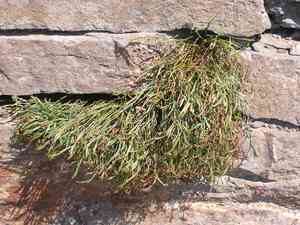
Forked spleenwort (Asplenium septentrionale)
Also known as: Northern spleenwort, Forked spleenwort
The Sword Fern is an evergreen perennial fern characterized by its numerous crowded leaves that form dense clusters. Its pinnate leaves extend upwards and outwards, creating a distinctive appearance. The name "Sword Fern" is derived from the shape of its leaves. This fern is also known to hybridize with other species within its genus.
In This Article
Attributes of Forked spleenwort
Lifespan
Perennial
Plant Type
Herb
Plant Height
8 cm to 15 cm
Spread
N/A
Leaf Color
Green
Flower Size
N/A
Flower Color
N/A
Images of Forked spleenwort
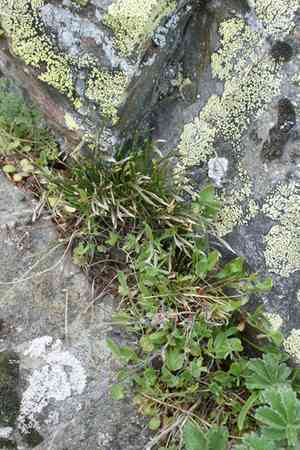
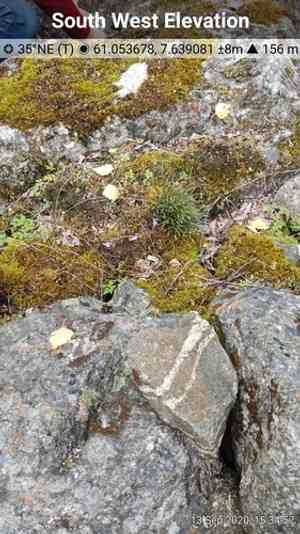
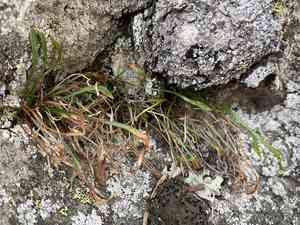
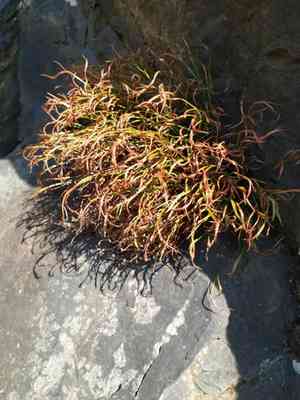
Quickly Identify Forked spleenwort
1
The plant can be identified by its distinctive bifurcated fronds that split into two or more segments. It usually grows in crevices of rocks and is found in high-altitude or alpine regions.
Scientific Classification of Forked spleenwort
Phylum
Vascular plants
Class
Ferns
Order
Polypodiales
Family
Spleenwort
Genus
Spleenworts
Species
Forked spleenwort
Planting and Growing of Forked spleenwort
Care Difficulty
Easy
Watering Schedule
Every 2 days
Sunlight Requirements
Partial sun
Sunshine Duration
4-8 hours
Ideal Temperature
60-75℉
Soil Type
Potting Mix, Peat Mix
Soil pH
6.5-7.5
Fertilizer Type
Balanced
Pruning Season
Spring, Summer
Pruning Area
Branches, Leaves
Pruning Frequency
2 times a year
Repotting Season
Spring
Pot Type
Plastic, Ceramic
 How to Water Forked spleenwort?
For Asplenium septentrionale, aim to water the plant with approximately 150 milliliters each time, ensuring the soil is evenly moist but not waterlogged. It's crucial to avoid heavy saturation as it might lead to root rot; instead, aim for a consistent, moderate moisture level in the soil.
What are the symptoms of an underwatered Forked spleenwort?
›
What should I do if my Forked spleenwort is not getting enough water?
›
What are the symptoms of an overwatered Forked spleenwort?
›
How to save an overwatered Forked spleenwort?
›
 What Are the Sunlight Requirements for Forked spleenwort?
Asplenium septentrionale prefers partial sun to full shade, benefiting from 2 to 4 hours of filtered light daily. This balance supports optimal photosynthetic function without exposing the plant to harmful UV rays, thus promoting healthy growth and robust foliage.
More About Sunlight Requirements Techniques→
What is the best lighting for Asplenium septentrionale?
›
How can I ensure my Asplenium septentrionale gets enough light?
›
Why is indirect sunlight important for Asplenium septentrionale?
›
 What Is the Ideal Temperature Range for Forked spleenwort?
Asplenium septentrionale thrives best in temperatures ranging from 60°F to 75°F. This range ensures optimal growth and health. Maintaining temperatures within this range is crucial for photosynthetic activity and overall plant development.
 What Soil is Best for Forked spleenwort?
Asplenium septentrionale thrives best in well-drained soils, ensuring that the roots do not sit in water which can lead to root rot. Such conditions help the plant absorb nutrients efficiently without the stress of excessive moisture. This plant prefers soils with moderate nutrient levels. An overly rich soil can lead to excessive foliage growth, compromising the plant's health and structure. Balanced nutrient levels promote healthy growth and resilience. While Asplenium septentrionale can tolerate a range of pH levels, it generally prefers slightly alkaline conditions. This helps maintain the structural integrity of the plant and supports optimal nutrient uptake.
 How to Fertilize Forked spleenwort?
For Asplenium septentrionale, use half the recommended strength of a balanced, water-soluble liquid fertilizer. Over-fertilization can lead to salt buildup in the soil, so apply cautiously.
 How to Prune Forked spleenwort?
Always wear gloves and protective eyewear when pruning Asplenium septentrionale to prevent any irritation from sap or accidental scratches from fronds. As you prune, keep an eye on the natural shape and growth pattern of the fern. Asplenium septentrionale has a unique structure, and maintaining this shape will promote a more aesthetically pleasing appearance. Refrain from trimming the plant in winter when it is not actively growing. This avoids unnecessary stress and allows the plant to focus energy on recovery and growth during conducive seasons.
More About Pruning Techniques→
 How to Propagate Forked spleenwort plant?
1
Asplenium septentrionale propagates by spores. Collect mature spores from the underside of fronds when they darken, usually in late spring or early summer.
2
Scatter a thin layer of spores on moistened sterile growing medium in a container. Ensure an even distribution to promote better germination rates and avoid over- or under-concentration of spores.
3
Cover the container with a plastic lid or glass pane to maintain moisture and humidity, crucial for spore germination and growth of the gametophyte stage.
 How to Repot Forked spleenwort plant?
1
Watch for signs like roots growing out from the drainage holes or a general stunted growth which may indicate the need for repotting. The best time to repot Asplenium septentrionale is during its active growing season in spring or autumn, as this allows the plant to adjust more readily.
2
Select a pot that is only slightly larger than the current one, about one inch in diameter more. This prevents excessive soil that can retain moisture and risk root rot. Ensure the pot has ample drainage holes to facilitate proper water removal, mimicking its natural rocky habitats.
3
Opt for a well-draining potting mix, perhaps a cactus or succulent mix with added perlite. This ensures proper air circulation around the roots and avoids waterlogging, crucial for this fern that thrives in rocky, well-aerated environments.



