How to Prune Forked spleenwort?
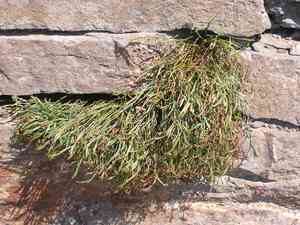
This resilient fern, distinguished by its slender, bifurcated fronds, flourishes within rocky fissures. For forked spleenwort, trim any impaired or deceased fronds at their base to preserve visual appeal and well-being, thereby facilitating fresh development. The most suitable periods for trimming are in spring prior to the emergence of new fronds, or throughout summer and autumn as required. Refrain from excessive trimming, ensuring ample foliage remains for photosynthesis. Advantages encompass stimulating robust growth and averting ailments by enhancing air movement surrounding the plant.
Advantages of Trimming Forked Spleenwort
Advantages of Trimming Forked Spleenwort
Trimming forked spleenwort promotes robust development and helps maintain its distinct form. Strategic removal of dead fronds enhances air circulation and light penetration, crucial for its well-being and structure.
Optimal Period for Pruning Forked Spleenwort
Optimal Period for Pruning Forked Spleenwort
For forked spleenwort, the best times for pruning are spring and summer. In spring, the plant is actively growing, which aids in quick recovery from cuts and the emergence of new fronds. Summer pruning allows for the removal of older fronds that might have been damaged or diseased over winter, preserving the plant's health and look. Autumn is not ideal for pruning forked spleenwort as it prepares for dormancy, and cuts made then could hinder its strong recovery in spring.
Essential Tools for Pruning Forked Spleenwort
Micro-Tip Pruning Snips
These small shears enable precise cuts, allowing gardeners to remove dead or damaged fronds from forked spleenwort without harming the healthy, intricate parts of the plant. They are perfect for the small size and delicate nature of forked spleenwort.
Fine Gardening Gloves
Wearing gloves offers protection and improved grip without sacrificing dexterity. This is important when handling forked spleenwort, as it permits careful pruning without injuring the plant or the gardener.
Soft Bristle Brush
A gentle brush can be used to carefully clear any debris from the fronds of forked spleenwort after pruning. It is soft enough not to harm the fronds but effective in keeping the plant clean.
How to Prune Forked Spleenwort
Identify
Inspect forked spleenwort to pinpoint diseased leaves, withered foliage, dead stems, and infected branches that need trimming.
Disinfect
Before beginning, sanitize your pruning tools with isopropyl alcohol or a 10% bleach solution to prevent disease transmission during pruning.
Prune Leaves
Carefully remove diseased and withered leaves by cutting them at their base where they meet the stem, using sharp scissors or pruning shears.
Prune Branches
Trim dead and diseased branches by cutting them back to the base or to the nearest healthy growth without harming the rest of forked spleenwort, ensuring clean cuts for faster healing.
Clean Up
Gather all removed plant material and dispose of it away from healthy forked spleenwort to prevent any disease spread. Clean the pruning tools again after finishing.
Common Pruning Errors with Forked Spleenwort
Excessive Pruning
Removing too much foliage from forked spleenwort can weaken the plant, as it relies on its fronds for photosynthesis and nutrient absorption.
Cutting Into The Crown
Pruning into the crown or the base of forked spleenwort can cause irreversible damage, as new fronds emerge from this central point.
Using Dull Or Dirty Tools
Pruning with unsanitized or blunt equipment can introduce pathogens and impede the healing process of cuts on forked spleenwort.
Pruning Healthy Fronds
Unnecessarily cutting back healthy fronds can diminish the aesthetic appeal and vigor of forked spleenwort.
Ignoring Dead Fronds
Failing to remove dead or dying fronds can attract pests and diseases and may detract from forked spleenwort's appearance.
General Pruning Advice for Forked Spleenwort
Disinfect Tools
Before pruning forked spleenwort, ensure that tools are disinfected to prevent the spread of disease.
Sharp Cuts
Use sharp pruning tools to make clean cuts that will heal more quickly and reduce stress on forked spleenwort.
Remove Only Old Or Damaged Fronds
Prune only the fronds that are dead, damaged, or diseased to maintain the health and appearance of forked spleenwort.
Cut At The Base
When removing fronds, cut as close to the base as possible without damaging the crown of forked spleenwort.
Post-Pruning Care
After pruning, provide forked spleenwort with adequate moisture and avoid fertilizing immediately to allow the plant to recover.



