How to Propagate Forked spleenwort?
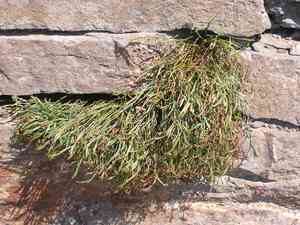
Asplenium gerrardii is a unique fern recognized for the characteristic bifurcated shape of its leaves. To effectively multiply Asplenium gerrardii, taking cuttings is the main technique. Select robust, non-blooming fronds and embed them in a substrate composed of potting mix and sand to stimulate root formation. A steady setting with uniform humidity and diffused illumination will aid in root development. Maintaining the growing medium adequately aerated yet damp is crucial until the cuttings are firmly established. After rooting, Asplenium gerrardii can be relocated to a lasting spot where it can flourish and prosper under the attention of cultivators and hobbyists.
Optimal Time for Forked Spleenwort Propagation
Propagation Method
Cutting
Propagation Period
Spring,Summer
Tools for Forked Spleenwort Propagation
Sharp pruning shears
Crucial for obtaining clean cuts from the parent plant, sharp pruning shears help ensure that forked spleenwort cuttings are healthy and undamaged. This tool aids in preventing potential infections at the cut sites, which is vital for the successful establishment of new plants.
Rooting hormone
Applying rooting hormone to the base of forked spleenwort cuttings significantly boosts root development. This product encourages faster root growth, leading to a higher propagation success rate by helping cuttings establish more effectively in their new environment.
Sterile potting mix
Utilizing a sterile potting mix guarantees that forked spleenwort cuttings are free from pathogens, which could otherwise impede root development. This medium supplies essential nutrients and aeration, fostering healthier growth and reducing the risk of soil-borne diseases.
Humidity dome or plastic bag
Maintaining high humidity around forked spleenwort cuttings is crucial as it prevents moisture loss. A humidity dome or a simple clear plastic bag over the planting area creates a mini-greenhouse effect, which helps retain moisture and warmth, both vital for encouraging root development.
How to Propagate Forked Spleenwort?
Propagation Type
Easy
Caring for Newly Propagated Forked Spleenwort
Caring for Newly Propagated Forked Spleenwort
After forked spleenwort has been successfully propagated, continue to keep the soil consistently moist without overwatering. Provide it with bright, indirect sunlight, and ensure a warm and humid environment, which can be aided with the use of a humidifier or pebble tray. Gradually acclimate the young forked spleenwort to less humid conditions over several weeks to avoid shock. Once the plant has established root systems and starts to produce new growth, care for it in the same manner as an adult forked spleenwort, avoiding extremes in temperature and keeping it away from direct sun exposure.
Common Mistakes to Avoid When Propagating Forked Spleenwort
Overwatering
Excessive watering can lead to root rot and fungal growth, which disrupt the delicate root systems of forked spleenwort.
Improper lighting
Providing too much or too little light can hinder forked spleenwort's growth. This species requires dappled light, mimicking its natural woodland habitat.
Using incorrect soil medium
Planting forked spleenwort in the wrong type of soil can prevent the necessary air and water circulation. This species prefers well-draining, humus-rich substrates.
Not maintaining proper humidity
Forked spleenwort thrives in high humidity, and failure to maintain adequate levels can lead to desiccation and poor health.
Ignoring sterility
Propagation of forked spleenwort requires sterile tools and substrates to prevent disease and pests. Ignoring this can infect the spores or divisions.
Tips For Propagating Forked Spleenwort
Mist propagation area
Regularly mist the propagation area to maintain high humidity, essential for forked spleenwort's growth.
Use right soil mix
Propagate forked spleenwort in a mix of peat and perlite or a similar medium to ensure proper drainage and air circulation.
Indirect lighting
Provide bright, indirect lighting to mimic the natural growing conditions of forked spleenwort without exposing it to harsh direct sunlight.
Gentle watering
Water sparingly and ensure proper drainage to prevent waterlogging, always keep the soil consistently moist but not soggy.
Sterilization practices
Use sterilized tools and containers to prevent the spread of pathogens during the propagation of forked spleenwort.
Division method
Carefully divide the rhizomes, ensuring each new section has at least one healthy frond and a portion of the root system.
Sporing technique
If propagating by spores, sow them on the surface of a sterile propagation medium and avoid burying them, as they require light to germinate.



