How to Transplant Broadleaf milkweed?
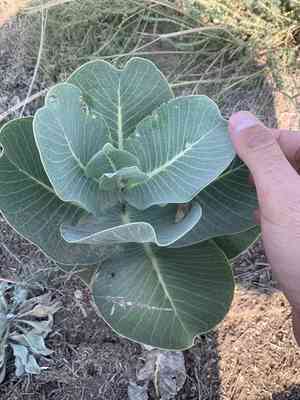
The ideal period for relocating broadleaf milkweed extends from the latter part of spring through mid-summer, facilitating strong root development. Select locations bathed in sunlight with soil that drains effectively; careful handling preserves the roots' structure.
What Preparations are Needed Before Transplanting Broadleaf Milkweed?
What is the Ideal Time for Transplanting Broadleaf Milkweed?
The best period for moving broadleaf milkweed is in late spring or early summer, a time of active development. This timing utilizes the plant's natural growth cycle to establish strong roots prior to colder seasons. Transplanting broadleaf milkweed then ensures smooth adaptation, benefiting from mild temperatures and extended daylight, crucial for a vigorous start in its new spot.
How Much Space Should You Leave Between Broadleaf Milkweed Plants?
Before placing your lovely broadleaf milkweed in their new home, it's wise to give them ample room to thrive! Aim for approximately 18-24 inches (45-60 cm) apart. This personal space allows each one to spread its roots and foliage, content and uncrowded.
What is the Best Soil Mix for Broadleaf Milkweed Transplanting?
For your broadleaf milkweed, consider preparing a bed as comfortable as a well-fluffed cushion! Choose a well-draining loam soil, and gently incorporate a balanced slow-release fertilizer to welcome your green companions with nourishing open arms.
Where Should You Relocate Your Broadleaf Milkweed?
Your broadleaf milkweed loves to soak up the sun! Find a location that receives full sunlight for most of the day. This sunny retreat will be the perfect setting for your broadleaf milkweed to perform its best growth display.
What Equipments Should You Prepare Before Transplantation Broadleaf Milkweed?
Gardening Gloves
To safeguard your hands while handling soil and plants.
Spade or Shovel
For excavating the plant and its new planting site.
Watering Can or Hose
To hydrate the plant before and after its relocation.
Wheelbarrow or Plant Cart
To safely move the plant, if it is large.
Garden Fork
To loosen and aerate the soil surrounding the root ball.
Pruning Shears
To trim any damaged roots or leaves.
Tarp or Burlap
To shield the root ball during transit, if required.
How Do You Remove Broadleaf Milkweed from the Soil?
How Do You Remove Broadleaf Milkweed from the Soil?
From Ground: First, moisten the broadleaf milkweed plant by watering the soil. Use a garden fork to gently loosen the soil around the plant to minimize root damage. Then, dig a wide circle around the plant with a spade or shovel, going deep enough to encompass the entire root ball. Carefully work the spade beneath the root ball to lift the plant from its spot.From Pot: Water the broadleaf milkweed thoroughly before beginning. Tilt the pot sideways and gently tap the sides and bottom to loosen the soil. Carefully slide the plant out of the pot, supporting the root ball with your hands to prevent it from breaking apart.From Seedling Tray: Water the seedlings to make the soil damp. Use a spoon or a small gardening tool to carefully lift the seedling without disturbing adjacent plants. Support the soil around the roots as you lift the broadleaf milkweed seedling out.
Step-by-Step Guide for Transplanting Broadleaf Milkweed
Preparation
Ensure transplanting occurs during a cool part of the day, ideally late afternoon or on a cloudy day, to prevent immediate sun stress on the broadleaf milkweed. Have all tools ready and confirm the transplant site is prepared before removing the broadleaf milkweed from its original spot to minimize root exposure to air. Water the broadleaf milkweed generously the day before transplanting to ensure well-hydrated roots. Trim any damaged roots or leaves with pruning shears before proceeding to encourage healthy growth post-transplant. Prepare the root ball by gently separating any roots encircling the root mass to prevent girdling and promote outward growth in the new location. Prepare the hole in the transplant site beforehand, making it twice the width of the root ball and the same depth to encourage easy root spread and prevent burying the stem deeper than it was originally growing. Position the broadleaf milkweed in the center of the hole, ensuring it is upright and at the same depth it was previously growing. Backfill the soil gently around the root ball, firming it down lightly to make contact with the roots but without compacting the soil, which can restrict root growth and water penetration. Water the broadleaf milkweed immediately after transplanting to settle the soil around the roots and eliminate any air pockets. This also helps to hydrate the plant after the stress of transplanting.
Post-Transplant Support
Apply a thin layer of mulch around the base of the broadleaf milkweed to help retain soil moisture and deter weed growth, ensuring the mulch does not touch the stem to prevent rot. Stake the broadleaf milkweed if necessary to provide support against wind until the roots establish and are strong enough to support the plant independently.
Monitoring
Closely observe the broadleaf milkweed for the first few weeks after transplanting. Watch for signs of stress, such as wilting or yellowing leaves, and promptly address any issues, like adjusting watering if the soil is either too dry or too wet. Gradually reduce watering frequency as the broadleaf milkweed develops new growth, indicating successful root establishment.
How Do You Care For Broadleaf Milkweed After Transplanting?
Watering
Maintain consistent moisture in the soil around the broadleaf milkweed through regular watering, especially during the initial weeks post-transplant to aid in strong root establishment. Gradually decrease watering as the plant starts producing new leaves, a sign of adaptation to its new environment.
Monitoring
Periodically check the broadleaf milkweed for indications of recovery and growth. If the plant exhibits signs of distress, such as wilting or leaf discoloration, adjust care practices accordingly. Remember that some transplant shock is normal, and recovery may take time.
Support
If the broadleaf milkweed is tall or top-heavy, consider providing stakes to help it withstand wind and encourage vertical growth while its roots are establishing. Ensure any ties used are not too tight and allow room for expansion.
Mulching
Apply a light layer of organic mulch around the base of the broadleaf milkweed (avoiding contact with the stem) to help maintain soil moisture and temperature, and to suppress weed competition.
Troubleshooting Common Issues with Broadleaf Milkweed Transplantation.
What's the ideal time to transplant broadleaf milkweed?
Relocate broadleaf milkweed during late spring to mid-summer for a strong start before winter arrives.
How much space does broadleaf milkweed need when transplanted?
Space broadleaf milkweed approximately 18-24 inches (45-60 cm) apart to allow for growth and air circulation.
What soil conditions does broadleaf milkweed prefer for transplanting?
Opt for well-draining soil with moderate fertility for broadleaf milkweed, avoiding overly rich or waterlogged conditions.
How deep should I plant broadleaf milkweed's root ball?
Position broadleaf milkweed's root ball level with the soil surface, ensuring it's neither too deep nor too shallow.
Can I transplant broadleaf milkweed on a hot, sunny day?
Avoid transplanting broadleaf milkweed during the hottest part of the day; aim for overcast weather or late afternoon.
How do I water broadleaf milkweed after transplanting?
Water broadleaf milkweed thoroughly after transplanting, then regularly but allow the soil to partially dry between waterings.
Should I fertilize broadleaf milkweed after transplanting?
Wait several weeks before applying a gentle fertilizer to broadleaf milkweed to prevent root burn while it's establishing.
What are signs of transplant shock in broadleaf milkweed?
Wilting, yellowing, or leaf drop in broadleaf milkweed may indicate transplant shock, requiring careful watering and shade.
How much sun does broadleaf milkweed need after being transplanted?
Place broadleaf milkweed in a location where it receives full sun to partial shade after transplanting.
How do I handle broadleaf milkweed's roots when transplanting?
Gently separate broadleaf milkweed's roots before planting, avoiding force that can damage the delicate root system.



