How to Propagate Broadleaf milkweed?
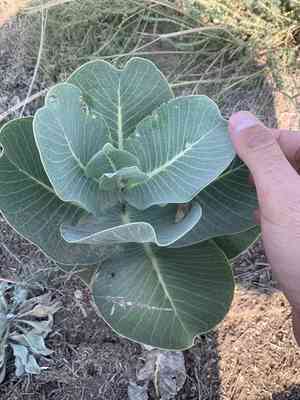
Broadleaf milkweed, which prefers permeable ground, flourishes when reproduced via cuttings. Cultivators ought to choose robust, non-blooming stalks for this procedure. To improve the likelihood of root development, submerging the severed tip into a rooting compound prior to embedding it in a damp growing medium can be advantageous. Steady hydration and warmth are essential, yet steer clear of oversaturated environments that might cause decay.
Optimal Time for Broadleaf Milkweed Propagation
Propagation Method
Cutting
Propagation Period
Spring,Summer
Tools for Broadleaf Milkweed Propagation
Sharp Pruning Shears
These are crucial for taking broadleaf milkweed cuttings, ensuring a clean, precise cut that minimizes harm to the parent plant and boosts the likelihood of the cuttings rooting. Sharp blades prevent tissue crushing, which is vital for reducing infection risk and promoting quicker healing.
Rooting Hormone
This product assists in the rapid development of roots from broadleaf milkweed cuttings. Applying rooting hormone to the freshly cut base of a stem cutting enhances root growth, increases propagation success, and establishes a strong foundation for the new plant.
Sterile Potting Mix
Using a sterile potting mix for planting cuttings helps prevent disease and fungal attacks, which is essential for delicate broadleaf milkweed cuttings. A well-draining, nutrient-rich mix supports initial growth by providing vital nutrients and adequate moisture retention.
Humidity Dome or Plastic Bags
To maintain a high humidity environment around broadleaf milkweed cuttings, a humidity dome or clear plastic bags can be used. This tool mimics a greenhouse effect, preventing moisture loss from leaves and creating an ideal environment for root development.
Broadleaf Milkweed Propagation Guide
Propagation Difficulty
Easy
Caring for Newly Propagated Broadleaf Milkweed
Caring for Newly Propagated Broadleaf Milkweed
Once roots are established and new growth appears, gradually introduce broadleaf milkweed to less humid conditions by removing the plastic cover for increasing durations over several days. Transplant the rooted cuttings to a larger pot or directly into the garden in a full sun location. Water consistently to keep the soil moist, and apply a balanced, slow-release fertilizer as per product instructions. Monitor for pests and diseases, treating as needed to maintain healthy growth.
Common Errors to Avoid When Propagating Broadleaf Milkweed
Inadequately prepared soil
Using soil that is too dense or lacks proper drainage can lead to waterlogging, which is harmful to broadleaf milkweed's root health. It requires soil that allows for good drainage and aeration to prevent root rot.
Excessive watering
Watering broadleaf milkweed too often can easily result in waterlogged conditions, particularly damaging due to its susceptibility to root rot. Broadleaf milkweed is adapted to conditions where the soil can dry out between watering sessions.
Planting too deep
Planting broadleaf milkweed too deeply can bury its crown, leading to crown rot. The crown should be at or slightly above the soil level to ensure proper growth and avoid fungal issues.
Ignoring pest management
Failing to monitor for pests like aphids and milkweed bugs can weaken broadleaf milkweed, as these pests can deplete its strength by feeding on its sap, reducing its vitality and propagation success.
Tips for Propagating Broadleaf Milkweed
Utilize well-draining soil
Ensure that broadleaf milkweed is planted in well-draining soil mixed with organic matter or sand to improve drainage. This helps prevent issues related to overwatering and waterlogging.
Appropriate watering
Water broadleaf milkweed regularly but allow the soil to dry out between watering sessions to match its natural drought-tolerant behavior and improve root health.
Monitor planting depth
Plant broadleaf milkweed so that the crown is just at, or slightly above, the soil level. This avoids the risk of crown rot and encourages healthier growth.
Pest control
Regularly inspect broadleaf milkweed for pests and manage them promptly using appropriate biological or chemical controls to maintain the health and vigor of broadleaf milkweed, facilitating more effective propagation.



