Enhancing Your Garden Design with the Broadleaf milkweed Plant: A Landscaping Guide
1
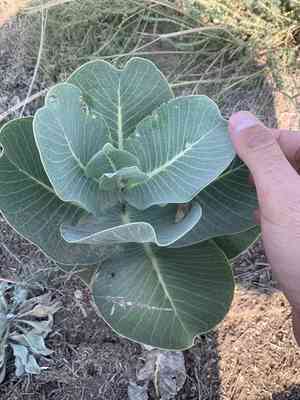
Broadleaf milkweed is a local flora that flourishes in diverse weather conditions, making it a superb option for sustainable garden design.
2
Adding Broadleaf milkweed to your outdoor space can draw in beneficial insects like butterflies and bees, fostering regional ecological diversity.
3
Broadleaf milkweed complements numerous other plants effectively, enabling adaptable and imaginative garden layouts.
The Role of Broadleaf Milkweed in Sustainable Landscaping
Environmental advantages of integrating Broadleaf milkweed into garden designs
A primary advantage of incorporating Broadleaf milkweed into your garden is its positive environmental contribution. As an indigenous plant, it demands less water and fewer resources than non-native varieties, making it a sustainable option. Its deep root structure aids in preventing soil erosion and fosters healthy soil by improving water penetration and nutrient cycling. Furthermore, Broadleaf milkweed's inherent pest resistance reduces the need for chemical pesticides, thereby enhancing ecosystem health.
How Broadleaf milkweed supports local wildlife and biodiversity
Broadleaf milkweed is vital for local wildlife, especially pollinators such as butterflies and bees. Its blossoms provide abundant nectar, attracting various pollinators, including the endangered Monarch butterfly. By cultivating Broadleaf milkweed, you help establish a habitat that sustains these crucial creatures, contributing to your local ecosystem's overall well-being. Moreover, its foliage serves as a food source for caterpillars, supporting different stages of the butterfly life cycle.
Designing with Broadleaf Milkweed: Aesthetics and Practicality
Achieving a balance of beauty and utility in your landscape with Broadleaf milkweed
Achieving a balance between visual appeal and practical function is crucial when incorporating Broadleaf milkweed into your landscape. Broadleaf milkweed is known for its wide, lush leaves and clusters of vibrant flowers, which can add visual interest to any garden. Strategic placement of Broadleaf milkweed in areas intended for focal points or natural boundaries can enhance your landscape's visual structure. Its robust nature also allows it to serve as a windbreak or erosion barrier while simultaneously beautifying your garden.
Color schemes and textures: Integrating Broadleaf milkweed into various garden styles
Regarding color schemes and textures, Broadleaf milkweed offers adaptability that can complement diverse garden styles. Its soft green leaves and clusters of white to pale pink flowers can seamlessly integrate into both modern and traditional garden settings. In a cottage garden, Broadleaf milkweed can provide a gentle, romantic touch, while in a more contemporary environment, its structured form adds sophistication. Utilizing the contrast between Broadleaf milkweed and other plants with differing textures and colors can create a dynamic and visually engaging landscape.
Guide to Incorporating Broadleaf Milkweed into Your Landscape
Selecting the ideal site for planting Broadleaf milkweed: Key considerations
Choosing the correct location for Broadleaf milkweed is essential for its growth and your landscape's success. Broadleaf milkweed prefers well-drained soil and a sunny spot, though it can tolerate partial shade. Avoid excessively wet or shaded areas, as these can impede its development. Consider the plant's mature size when selecting a planting site to ensure it has ample room to flourish without crowding other plants. Amending the soil with organic matter can also aid in establishing Broadleaf milkweed more effectively.
Pairing Broadleaf milkweed with compatible plants for optimal growth
Pairing Broadleaf milkweed with suitable plants can enhance both its growth and your garden's overall appeal. Plants that thrive in similar soil and light conditions make excellent companions. For instance, native grasses and wildflowers can create a harmonious and low-maintenance garden bed. Additionally, consider plants that bloom at different times to ensure year-round visual interest and continuous support for pollinators. Avoid planting Broadleaf milkweed near aggressive species that might compete for resources.
Maintenance Tips for Broadleaf Milkweed in Landscaping
Seasonal care routines to enhance the longevity and appeal of Broadleaf milkweed
Proper upkeep is vital for maintaining Broadleaf milkweed's health and attractiveness throughout the seasons. During the active growth period, consistent watering, especially in the initial stages, ensures strong development, but avoid overwatering. Removing spent flowers can encourage further blooming and prevent unwanted self-seeding. In autumn, cutting back stems to ground level prepares the plant for winter dormancy. Mulching during winter can protect roots from extreme cold and reduce frost heaving.
Common challenges and solutions for managing Broadleaf milkweed in different climates
Broadleaf milkweed is relatively low-maintenance but can encounter issues such as pests, diseases, and extreme weather. In arid climates, additional irrigation might be necessary, particularly during extended droughts. Pests like aphids can be managed using natural predators such as ladybugs or eco-friendly insecticidal soaps. In humid climates, ensuring adequate air circulation can prevent fungal diseases. Regular monitoring and prompt issue resolution can help maintain Broadleaf milkweed's health and longevity.



