How to Prune Broadleaf milkweed?
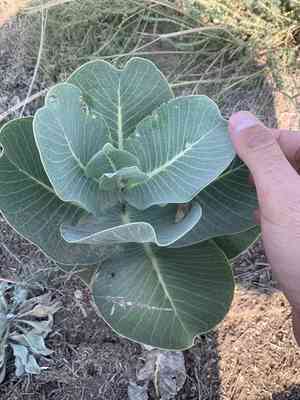
This enduring plant, characterized by its wide foliage, is optimally trimmed following its blooming period to hinder spontaneous seed dispersal and foster a more compact development. Reduce the length of its stalks by approximately one-third in the latter part of spring or during summer to uphold the plant's vigor and aesthetic. Trimming during these periods corresponds with the active developmental stage of broadleaf milkweed. Such trimming improves air movement, thereby diminishing the likelihood of ailments. Avoid excessive cutting, as this species serves as a habitat for butterfly larvae, especially monarch caterpillars, which depend on broadleaf milkweed for their existence.
What Are the Benefits of Pruning Broadleaf Milkweed?
What Are the Benefits of Pruning Broadleaf Milkweed?
Trimming broadleaf milkweed promotes robust development and helps maintain its desired form. It stimulates new growth, resulting in a denser, more attractive plant. Pruning also ensures the removal of any dead or diseased parts, enhancing the overall health of broadleaf milkweed.
What Is the Best Time for Pruning Broadleaf Milkweed?
What Is the Best Time for Pruning Broadleaf Milkweed?
Pruning broadleaf milkweed in spring allows for the removal of cold-damaged stems and encourages vigorous growth as the plant enters its active season. Early summer pruning, right after the initial bloom, can stimulate a second flowering and maintain the plant's shape. Avoid pruning late in the season to prevent damage to new growth that might not harden before frost.
What Tools Do I Need to Prune Broadleaf Milkweed?
Hand Pruners
Perfect for making clean cuts on broadleaf milkweed's thinner stems, minimizing plant damage. They offer precise control for shaping and thinning.
Pruning Shears
Sharp shears can efficiently manage broadleaf milkweed's wider leaves and stalks. They ensure quick, clean cuts that help prevent disease and pest entry.
Gloves
Gardening gloves are crucial for protecting hands from broadleaf milkweed's sap, which can irritate skin, and from any sharp edges during cutting.
Pruning Saw
For older, woodier broadleaf milkweed stems too thick for hand pruners, a pruning saw is essential for making clean cuts without tearing plant tissue.
How to Prune Broadleaf Milkweed
Clean Tools
Before you begin trimming broadleaf milkweed, ensure your pruning shears or scissors are clean and sharp to prevent disease transmission and make precise cuts.
Remove Diseased Leaves
Carefully trim off any diseased leaves from broadleaf milkweed, making sure to cut at the base of the leaf stem, far from the main stem to avoid harming it.
Prune Withered Leaves
Identify and remove all withered leaves from broadleaf milkweed by cutting them at the base, near their attachment point to the stem. This can improve the plant's appearance and encourage healthy new growth.
Cut Diseased Stems
For any diseased stems on broadleaf milkweed, use clean shears to cut just above a leaf node or set of leaves, ensuring the remaining stem is healthy.
Dispose Trimmed Material
After trimming broadleaf milkweed, properly dispose of diseased and withered material by either burning or placing it in the trash. Do not compost as it may spread pathogens.
Common Pruning Mistakes with Broadleaf Milkweed
Over Pruning
Removing too much of broadleaf milkweed's foliage can stress the plant, reduce its vigor, and diminish its ability to photosynthesize.
Improper Cuts
Making jagged or torn cuts can create wounds more prone to infection and may not heal properly, undermining broadleaf milkweed's health.
Pruning For Size Alone
Attempting to control broadleaf milkweed's size by severely cutting back its main stems can disrupt its natural growth patterns and affect flowering.
Neglecting Tool Hygiene
Not disinfecting tools between uses on different plants can spread pathogens and potentially introduce diseases to broadleaf milkweed.
Ignoring Plant Architecture
Failure to consider broadleaf milkweed's natural shape when pruning can result in an unbalanced and unattractive appearance.
Common Pruning Tips for Broadleaf Milkweed
Selective Thinning
Remove only the necessary amount of foliage to maintain broadleaf milkweed's health and appearance, focusing on dead or weak stems to promote air circulation and light penetration.
Clean Cuts
Use sharp, clean pruning shears to make precise cuts. This aids in quick healing and reduces the risk of disease for broadleaf milkweed.
Encouraging Flowering
Prune broadleaf milkweed by snipping just above a set of leaves or a branching point to encourage bushier growth and more blooms.
Tool Cleanliness
Regularly clean and disinfect pruning tools to prevent the spread of disease to or from broadleaf milkweed.
Respecting Growth Patterns
Observe broadleaf milkweed's growing habits to make informed decisions on where to cut, preserving its natural form and aesthetic appeal.



