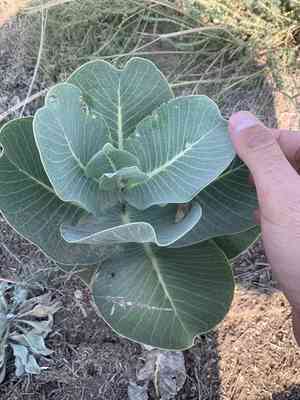
Broadleaf milkweed (Asclepias latifolia)
Also known as: Broadleaf Milkweed
Crucial for monarch butterflies, the milkweed plant, particularly the broadleaf variety, is a perennial native to the United States. It features cabbage-like leaves and flourishes in full sun and dry soil, making it a popular choice for butterfly gardens.
In This Article
Attributes of Broadleaf milkweed
Lifespan
Perennial
Plant Type
Herb
Plant Height
80 cm
Spread
90 cm to 1.5 m
Leaf Color
Green
Flower Size
1.02 cm to 1.5 cm
Flower Color
Yellow Green
Images of Broadleaf milkweed
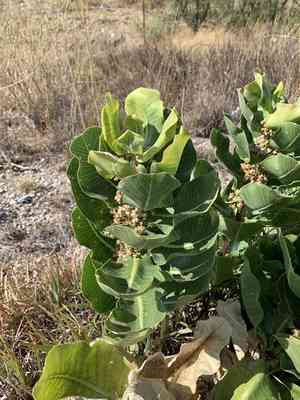
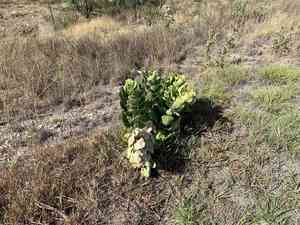
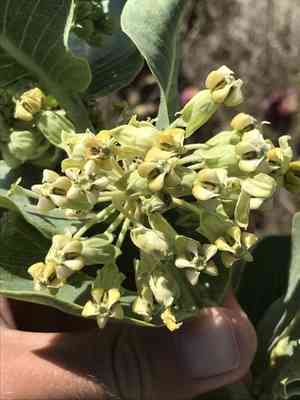
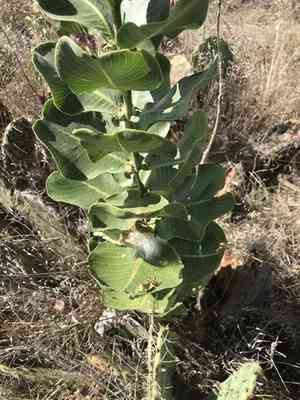
Quickly Identify Broadleaf milkweed
1
Identify Asclepias latifolia by its broad, ovate leaves and clustered small greenish-yellow flowers. The plant also exudes a white, milky sap when cut.
Scientific Classification of Broadleaf milkweed
Phylum
Vascular plants
Class
Dicotyledons
Order
Gentianales
Family
Dogbane
Genus
Milkweeds
Species
Broadleaf milkweed
Planting and Growing of Broadleaf milkweed
Care Difficulty
Easy
Watering Schedule
Every 2 days
Sunlight Requirements
Full sun
Sunshine Duration
4-8 hours
Ideal Temperature
70-85℉
Soil Type
Potting Mix, Peat Mix
Soil pH
6.5-7.5
Fertilizer Type
Balanced
Pruning Season
Spring, Summer
Pruning Area
Branches, Leaves
Pruning Frequency
2 times a year
Repotting Season
Spring
Pot Type
Plastic, Ceramic
 How to Water Broadleaf milkweed?
Asclepias latifolia, also known as broadleaf milkweed, requires moderate watering. Each session should provide around 250 milliliters of water. It thrives in well-drained soil, and ideally, you should water it just enough to moisten the root zone without leaving the soil waterlogged.
What are the symptoms of an underwatered Broadleaf milkweed?
›
What should I do if my Broadleaf milkweed is not getting enough water?
›
What are the symptoms of an overwatered Broadleaf milkweed?
›
How to save an overwatered Broadleaf milkweed?
›
 What Are the Sunlight Requirements for Broadleaf milkweed?
Asclepias latifolia flourishes best in full or partial sun, ideally with 5-8 hours of light. Suitable lighting promotes vigorous growth, enhances photosynthesis efficiency, and encourages abundant flowering crucial for supporting pollinators.
More About Sunlight Requirements Techniques→
How much sunlight does it need?
›
Where should you place it?
›
What are the benefits of ideal light?
›
 What Is the Ideal Temperature Range for Broadleaf milkweed?
The ideal temperature range for growing Asclepias latifolia is between 70°F and 85°F. This range promotes optimal growth and ensures the plant develops healthily, with robust leaves and vibrant flowers.
 What Soil is Best for Broadleaf milkweed?
Asclepias latifolia prefers well-drained soil to prevent root rot. Good drainage ensures that the roots receive enough oxygen and prevents water stagnation, which can lead to fungal infections. Although Asclepias latifolia is not particularly fussy about soil quality, a nutrient-rich substrate supports robust growth, enhances flowering, and ensures resistance to pests and diseases. While drought-tolerant, this plant benefits from occasional watering in sandy and loamy soils to maintain sufficient moisture levels during dry spells, aiding in maintaining its health and bloom quality.
 How to Fertilize Broadleaf milkweed?
For Asclepias latifolia, use a balanced water-soluble fertilizer, such as 10-10-10 or 20-20-20 formulation. Apply approximately 1 tablespoon per gallon of water, ensuring the soil receives a thorough soaking. The amount should cater to the plant's size and growth stage, avoiding any buildup of fertilizer salts.
 How to Prune Broadleaf milkweed?
Be aware that Asclepias latifolia exudes a milky latex sap when cut, which can be irritating. Wear gloves to protect your skin. Also, avoid touching your eyes or mouth during pruning. The latex also serves as a deterrent for certain pests, so it is beneficial for the plant's natural defense system.
More About Pruning Techniques→
 How to Propagate Broadleaf milkweed plant?
1
Begin by filling the seed trays with a well-draining potting mix. Sow the Asclepias latifolia seeds on the surface and lightly cover them with a thin layer of soil. Keep the soil moderately moist but not waterlogged. Germination typically occurs in 2 to 4 weeks if conditions are favorable.
2
Select healthy roots from a mature Asclepias latifolia plant. Cut the roots into segments about 2-3 inches long, ensuring that each segment includes a few root nodes. Plant these segments vertically into a pot with a well-draining soil mix, and cover lightly with soil.
3
Once seedlings have developed a couple of sets of true leaves, they can be gradually hardened off to reduce transplant shock. Begin transplanting outdoors or into larger pots, ensuring that the soil remains well-drained and receives adequate sunlight throughout the day.
 How to Repot Broadleaf milkweed plant?
1
Repot Asclepias latifolia when you notice its roots emerging from the drainage holes or circling the root ball's surface. These signs indicate that the plant is becoming root-bound and requires more space to thrive. Typically, this occurs every 2 to 3 years. Spring or summer is ideal for repotting, as the active growth phase helps the plant recover quickly.
2
Select a pot that is one to two inches larger in diameter than the current one. Ensure that it has adequate drainage holes to prevent waterlogging, which can lead to rot. A slightly larger pot provides enough space for new root growth while preventing excess moisture retention.
3
Opt for a well-draining soil mix. A blend of potting soil with sand or perlite helps maintain necessary drainage. This combination prevents water accumulation, reducing the risk of root rot and encouraging robust root development.
Toxicity
Ingestion, Contact with sap
WARNING
The judgment on toxicity and danger is for reference only. We DO NOT GUARANTEE any accuracy of such judgment. Therefore, you SHALL NOT rely on such judgment. It is IMPORTANT TO SEEK PROFESSIONAL ADVICE in advance when necessary.
Learn More About Broadleaf milkweed Diseases
Anthracnose
Bacterial Leaf Spot
Bacterial Wilt
Crown Gall
Cyst Nematode
Damping-off
Downy Mildew
Drought Stress
Fusarium Wilt
Gray Mold
Leaf Spot
Mosaic
Nutrient Deficiency
Nutrient Toxicity
Powdery Mildew
Root Rot
Root-knot Nematode
Rusts
Sooty Mold
Spider Mites
Temperature Stress
Thrips Damage
White Mold



