How to Transplant Silver sagebrush?
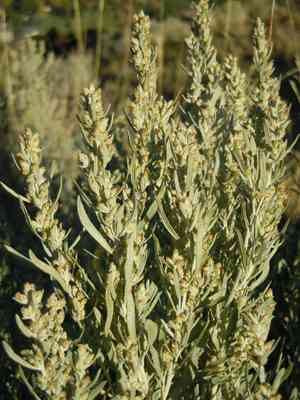
For silver sagebrush, the ideal period for relocation spans from the onset of early spring's thaw through the threshold of summer's heat, facilitating strong root development. Choose a bright spot featuring soil that drains effectively. Exercising care with the roots throughout the procedure is crucial.
Essential Preparations Before Relocating Silver Sagebrush
Optimal Period for Transplanting Silver Sagebrush
The ideal time to move silver sagebrush is after the last frost but before the peak of summer. This timeframe allows for a smooth transition, as cooler temperatures and warming soil encourage root development, letting the plant adapt to its new environment prior to summer's heat. Relocating during this phase ensures a strong start for silver sagebrush, promoting vigorous growth and a higher chance of thriving in subsequent seasons.
Recommended Spacing Between Silver Sagebrush Plants
Hello, gardening enthusiast! Before moving your silver sagebrush, remember they require adequate personal space to flourish. Aim for a comfortable distance of approximately 18-24 inches (45-60 cm) between them. This provides ample room for root expansion and allows for proper air circulation. Happy planting!
Optimal Soil Blend for Silver Sagebrush Transplantation
For your silver sagebrush to prosper, begin with soil that drains effectively. Loosen the earth and incorporate some compost or a balanced, slow-release fertilizer that continuously nourishes your plants. This rich mixture ensures your silver sagebrush gets an excellent start!
Selecting a New Location for Your Silver Sagebrush
When searching for the perfect sunny spot for your silver sagebrush, think bright! They are sun-loving plants, so choose a location where they can absorb full sunlight for most of the day. This guarantees they will develop robustly and healthily. Shine on, silver sagebrush!
Equipment Needed Before Transplanting Silver Sagebrush
Gardening Gloves
To safeguard your hands while handling soil and the plant.
Shovel or Spade
For digging around and lifting the silver sagebrush specimen.
Watering Can or Hose
To hydrate the plant before and after its relocation.
Wheelbarrow
To move the silver sagebrush from its original spot to the new planting site.
Pruning Shears
To trim any damaged roots or foliage.
Garden Fork
To loosen the soil at the new location and aid in aerating the root area.
Mulch
To help maintain soil moisture and reduce weed competition after transplant.
Method for Removing Silver Sagebrush from the Soil
Method for Removing Silver Sagebrush from the Soil
From Ground: Begin by watering the silver sagebrush to moisten the soil and minimize plant stress. Use a shovel or spade to dig a wide trench around the plant, being careful not to cut into the root ball. Gradually work the tool underneath to gently lift the plant from the ground.From Pot: Water the silver sagebrush thoroughly a few hours prior to transplanting. Turn the pot on its side and gently tap or squeeze it to loosen the root ball. Tilt the pot and guide the plant out, using your hand to support the soil and roots.From Seedling Tray: Water the seedlings to ensure the soil is damp, which will facilitate removal. Use a small implement, such as a spoon or planting stick, to carefully lift each seedling from the tray, striving to keep as much soil around the roots as possible.
Detailed Guide for Transplanting Silver Sagebrush
Preparation
Before extracting the silver sagebrush from its current spot, prepare the new planting hole. The hole should be as deep as the root ball and twice its width, providing ample space for root expansion.
Removal
Carefully follow the removal procedure outlined above, depending on the silver sagebrush's original location (ground, pot, or seedling tray).
Root Inspection
Once the silver sagebrush is removed, examine the root ball. Trim any broken or damaged roots with pruning shears, which will stimulate new growth.
Planting
Position the silver sagebrush in the prepared hole. The top of the root ball should be level with the surrounding soil surface. Backfill the hole with soil, gently tamping down around the root ball to eliminate air pockets.
Watering
After transplanting, thoroughly water the silver sagebrush to settle the soil and hydrate the roots. This will also help to remove any remaining air pockets.
Mulching
Apply a layer of mulch around the base of the silver sagebrush, ensuring it does not touch the stem, to help retain moisture and regulate soil temperature.
Post-Transplant Care for Silver Sagebrush
Monitoring
Regularly check the silver sagebrush for indications of stress, such as wilting leaves or discoloration, and address any issues promptly.
Watering
Maintain consistent moisture in the soil around silver sagebrush (but avoid waterlogging) for the initial few months after transplanting. Afterward, reduce watering to match the silver sagebrush's typical requirements.
Pruning
Trim any dead or damaged foliage to help the silver sagebrush direct its energy towards establishing new roots and growth.
Staking Supports
If the silver sagebrush is tall or exposed to strong winds, provide staking or support to prevent it from bending or breaking.
Protection
Depending on the season, shield the newly transplanted silver sagebrush from extreme temperatures using appropriate covers or shades.
Resolving Common Issues with Silver Sagebrush Transplantation.
When is the best time to transplant silver sagebrush?
Transplant silver sagebrush during the period from early to late spring, when growth conditions are optimal.
How far apart should I space silver sagebrush when transplanting?
Space silver sagebrush approximately 18-24 inches (45-60 cm) apart to ensure they have adequate room to flourish.
Why is my silver sagebrush wilting after transplanting?
Wilting may be due to root shock. Ensure proper hydration, initially avoid direct sunlight, and be patient.
How deep should I plant silver sagebrush roots when transplanting?
Plant silver sagebrush roots at the same depth they were previously growing for optimal results.
What soil type is best for transplanting silver sagebrush?
Utilize a well-draining soil mix to prevent waterlogging, which silver sagebrush does not tolerate well.
How much should I water silver sagebrush after transplanting?
Water silver sagebrush generously immediately after transplanting, then adjust to a regular watering schedule.
Can I transplant silver sagebrush on a hot, sunny day?
It is preferable to transplant on a cooler, overcast day to minimize stress on silver sagebrush.
Should I fertilize silver sagebrush after transplanting?
Wait a few weeks before fertilizing to allow silver sagebrush to settle in and prevent root burn.
How do I handle silver sagebrush roots during transplanting?
Carefully spread out the roots when planting and avoid bending or breaking them.
What if silver sagebrush leaves turn yellow after transplanting?
Yellowing leaves can indicate overwatering, under-watering, or shock. Adjust care accordingly and observe.



