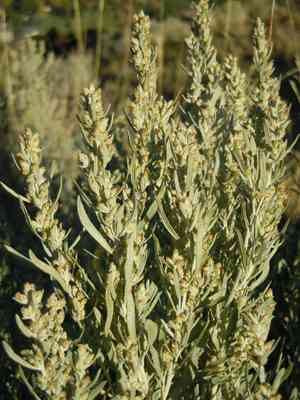
Silver sagebrush (Artemisia cana)
Also known as: Bolander silver sagebrush
Meriwether Lewis's informal account of Artemisia cana, gathered near Centinel Creek in the fall of 1804 during the landmark Lewis and Clark Expedition, holds historical significance. This early documentation, later included in the "Original Journals of Lewis and Clark" edited by Thwaites in 1904, marks one of the first recorded observations of the plant by European Americans. It underscores the expedition's critical role in cataloging and expanding scientific knowledge of North American plant species.
In This Article
Attributes of Silver sagebrush
Lifespan
Perennial
Plant Type
Shrub
Plant Height
30 cm to 91 cm
Spread
2 to 4 feet (0.6 to 1.2 meters)
Leaf Color
Silvery-gray
Flower Size
Approximately 0.2 inches (5 mm)
Flower Color
Yellowish
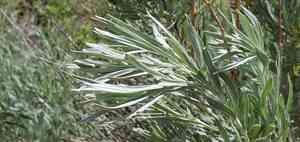
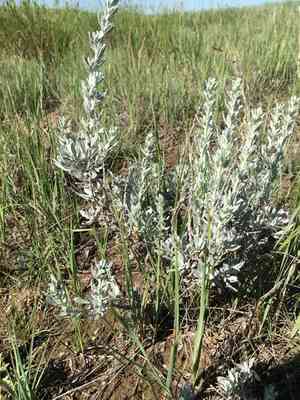
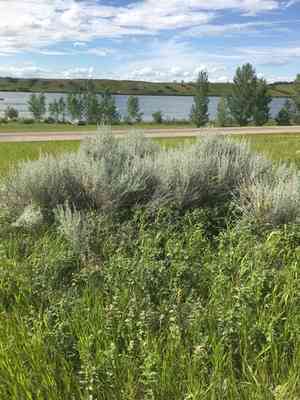
Images of Silver sagebrush
Quickly Identify Silver sagebrush
1
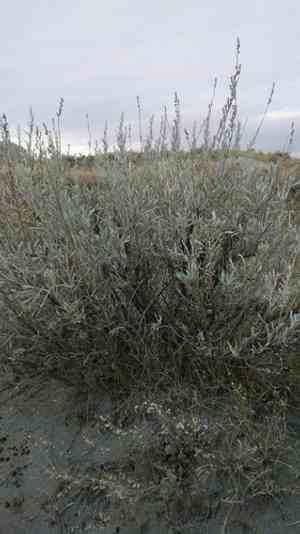
To identify Artemisia cana, look for its characteristic silver-gray, lance-shaped leaves. The leaves are covered with fine hairs, giving them a hoary appearance. The plant has a woody base and can grow in a shrub-like form. During the flowering season, look for small, yellowish flower heads.
Scientific Classification of Silver sagebrush
Phylum
Vascular plants
Class
Dicotyledons
Order
Asterales
Family
Daisy
Genus
Mugworts
Species
Silver sagebrush
Planting and Growing of Silver sagebrush
Care Difficulty
Easy
Watering Schedule
Every 2 days
Sunlight Requirements
Full sun
Sunshine Duration
6-12 hours
Ideal Temperature
60-75℉
Soil Type
Potting Mix, Peat Mix
Soil pH
6.5-7.5
Fertilizer Type
Balanced
Pruning Season
Spring, Summer
Pruning Area
Branches, Leaves
Pruning Frequency
2 times a year
Repotting Season
Spring
Pot Type
Plastic, Ceramic
 How to Water Silver sagebrush?
Artemisia cana, also known as silver sagebrush, prefers dry to moderately dry conditions. Watering should aim to moderately moisten the soil without saturating it. Approximately 500 ml per session is enough, making sure the water shortly reaches the root zone without pooling on the surface.
What are the symptoms of an underwatered Silver sagebrush?
›
What should I do if my Silver sagebrush is not getting enough water?
›
What are the symptoms of an overwatered Silver sagebrush?
›
How to save an overwatered Silver sagebrush?
›
 What Are the Sunlight Requirements for Silver sagebrush?
Full sun is ideal for Artemisia cana as it encourages lush foliage, vibrant colors, and robust growth. Adequate sunlight exposure enhances its resilience to environmental stressors and fosters optimal health.
What is the best lighting condition for Artemisia cana?
›
How can I ensure ideal lighting for my Artemisia cana?
›
Why is ideal lighting important for Artemisia cana?
›
 What Is the Ideal Temperature Range for Silver sagebrush?
The ideal temperature range for Artemisia cana lies between 60°F and 75°F. Within this range, the plant can optimally perform photosynthesis and grow healthily. Maintaining this temperature ensures proper development and avoids stress from temperature extremes that can stunt growth or damage foliage.
 What Soil is Best for Silver sagebrush?
Artemisia cana thrives in well-drained soil conditions, which prevent root rot by allowing excess water to escape easily. This keeps the roots healthy and ensures optimal growth by maintaining a good balance of moisture and air. This plant prefers soil with moderate nutrient content, providing essential minerals for healthy foliage and proper growth without overwhelming the plant with excess nutrients that could hinder its development. The texture should be loose and crumbly, promoting good aeration around the root system. This allows for easy root expansion and access to water, thereby supporting the plant’s robust growth and flowering.
 How to Fertilize Silver sagebrush?
Artemisia cana, commonly known as silver sage, requires a moderate amount of fertilization. Use a balanced fertilizer such as 10-10-10. For liquid fertilizers, mix according to manufacturer's instructions to avoid overfeeding, typically using 1 tablespoon per gallon of water.
 How to Prune Silver sagebrush?
Begin by sterilizing your pruning shears to prevent any potential diseases. Identify dead or damaged branches and cut them off close to the main stem. Trim about a third of the plant's height to encourage new growth and maintain shape. Always make cuts just above a healthy set of leaves, as this promotes more vigorous growth.
More About Pruning Techniques→
 How to Propagate Silver sagebrush plant?
1
Prepare a well-drained potting mix in seed trays and sow the seeds just beneath the surface. Water lightly and place the trays in a location with indirect light. Maintain soil moisture without waterlogging until seeds germinate.
2
Select a healthy, non-flowering stem from the parent plant during early morning. Use sharp shears to take a cutting approximately 5-6 inches long. Remove leaves from the lower half of the cutting before planting in soil.
3
Carefully unearth the mature plant and gently separate clumps that have their own roots. Use a sharp, sterile knife if needed. Plant the divisions promptly to avoid drying out, and water thoroughly after replanting.
 How to Repot Silver sagebrush plant?
1
Artemisia cana should be repotted when the roots start to circle the pot or when growth seems stunted. Typically, this occurs every two to three years. The best time to repot is during the growing seasons of spring or autumn, ensuring the plant can recover quickly with plenty of new growth.
2
Choose a pot that is one to two inches larger in diameter than the current one, with good drainage holes. This size prevents excess moisture accumulation, which could lead to root rot, while providing ample space for root expansion.
3
Opt for a well-draining sandy soil mix, which mimics the plant's natural habitat. Such soil is beneficial because it prevents waterlogging and ensures the roots receive adequate air, promoting healthy growth.



