How to Prune Silver sagebrush?
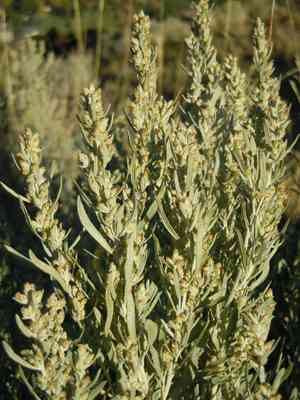
This resilient shrub, tolerant of dry spells, showcases silver-hued leaves and thrives in parched environments. For silver sagebrush, trimming should concentrate on eliminating deceased or compromised limbs and sculpting to preference. The most favorable times are late winter or early spring, precisely before fresh shoots emerge. Pruning at these junctures fosters robust growth and deters ailments by enabling swift wound closure. Refrain from severe pruning, as silver sagebrush may recuperate slowly, and prioritize thinning out mature stalks to stimulate revitalization.
What Are the Benefits of Pruning Silver Sagebrush?
What Are the Benefits of Pruning Silver Sagebrush?
Trimming silver sagebrush promotes robust development and maintains its desired form. Regular cutting encourages a strong structure, ensuring silver sagebrush stays healthy and visually appealing in its setting.
What Is the Best Time for Pruning Silver Sagebrush?
What Is the Best Time for Pruning Silver Sagebrush?
Late winter and early spring are considered the best times for pruning silver sagebrush, aligning with its natural growth cycle. During late winter, the plant is dormant, minimizing stress and reducing sap loss that attracts pests. This dormancy is ideal for shaping and removing dead or damaged branches without affecting new growth. Early spring pruning is also beneficial for removing winter damage before rapid spring growth. Pruning then promotes healthier, stronger growth as the plant prepares for its active season. Trimming before new growth ensures the plant's energy goes into strong, new shoots, vital for silver sagebrush's health and appearance. These seasons avoid cutting during flowering or fruiting, preventing disruption to the plant's reproductive and growth cycle.
What Tools Do I Need to Prune Silver Sagebrush?
Hand Pruners
Perfect for making clean cuts on smaller stems and twigs of silver sagebrush. Opt for bypass pruners on live wood for healthy cuts that support plant vitality.
Pruning Saws
Essential for cutting thicker branches that hand pruners cannot manage. Silver sagebrush may develop larger stems as it matures, requiring saws for proper removal.
Hedge Shears
Suitable for shaping and maintaining the dense foliage of silver sagebrush. They allow for quick trimming of new growth and help keep the plant's desired form.
Loppers
Effective for branches too thick for hand pruners but not thick enough for a saw. Their long handles provide leverage for easier cutting.
Gloves
Crucial for protecting your hands from the rough stems and potentially irritating foliage of silver sagebrush.
Cleaning Materials
Alcohol or a bleach solution is important for sterilizing tools before and after pruning silver sagebrush to prevent disease spread.
How to Prune Silver Sagebrush
Clean Tools
Before starting, clean and sterilize pruning tools to prevent disease transmission to silver sagebrush.
Remove Diseased Parts
Carefully trim away any diseased leaves and branches from silver sagebrush, ensuring clean cuts that do not tear plant tissue.
Prune Withered Leaves
Remove withered leaves from silver sagebrush to encourage healthy growth and improve air circulation within the plant.
Eliminate Dead Branches
Cut back dead branches on silver sagebrush to the point of healthy wood, taking care not to harm the main stem or nearby healthy branches.
Shape Plant
Finally, shape silver sagebrush by selectively pruning to encourage a balanced structure and to maintain the desired size of the plant.
Common Pruning Mistakes with Silver Sagebrush
Over-Pruning
Removing too much foliage from silver sagebrush can weaken the plant and reduce its resilience, especially in young or stressed individuals.
Improper Cutting Technique
Incorrect cuts may lead to damage and disease. Cuts should be made at a 45-degree angle just above a leaf node or bud to promote healthy regrowth.
Taking Off Too Much At The Top
Trimming too much from the top of silver sagebrush can limit the plant's ability to photosynthesize, which is crucial for its energy production.
Disregarding Plant Shape
Overlooking silver sagebrush's natural shape when pruning can result in an unbalanced appearance and reduce the plant's overall health and vigor.
Using Dull Or Dirty Tools
Dull pruning tools can crush stems instead of making clean cuts, and dirty tools may introduce pathogens to the plant.
Ignoring Diseased Or Dead Material
Failing to remove dead or diseased branches can impede healthy growth and may lead to further infection.
Common Pruning Tips for Silver Sagebrush
Selective Pruning
Identify and selectively remove only the oldest and most woody stems to encourage new growth from silver sagebrush's base.
Maintaining Natural Form
Prune with the natural shape of silver sagebrush in mind to maintain its aesthetic and prevent stress to the plant.
Clean Cuts
Use sharp, clean pruning shears to make precise cuts, which will help silver sagebrush heal faster and reduce the risk of disease.
Thinning Out
Thin out dense areas to improve air circulation and light penetration throughout silver sagebrush, which can reduce disease risk and promote even growth.
Removing Dead Or Diseased Material
Always remove any dead, dying, or diseased branches to maintain silver sagebrush's health and vigor.
Focusing On Older Growth
Prune back older growth to spur the development of new shoots, ensuring rejuvenation and continued vitality for silver sagebrush.



