The Silver sagebrush Plant Advantage: Maximizing Home and Office Appeal and Wellness
1
Silver sagebrush is recognized for its ability to withstand dry conditions, making it perfect for desert areas.
2
The fragrant foliage of Silver sagebrush can naturally deter pests.
3
Silver sagebrush offers a crucial living space for animals, promoting ecological variety.
Why is Silver sagebrush Ideal for Arid Regions?
Drought-Tolerant Characteristics
Silver sagebrush is renowned for its exceptional ability to withstand drought. This species thrives in dry and semi-dry environments, making it a prime selection for xeriscaping and water-efficient gardens. Its extensive root network allows it to access deep soil moisture, reducing the need for extra irrigation. This not only conserves water but also lessens gardener upkeep.
Soil Stabilization Benefits
Beyond its drought-resistant qualities, Silver sagebrush acts as an excellent soil stabilizer. Its roots help prevent soil erosion by binding the soil, especially on inclines and other areas prone to erosion. This makes it a valuable plant for land restoration projects and for maintaining the structural integrity of landscapes in dry areas.
How Does Silver sagebrush Enhance Your Garden?
Natural Pest Deterrent
A key feature of Silver sagebrush is its capacity to function as a natural insect repellent. The aromatic compounds in its leaves deter numerous harmful insects, including mosquitoes and flies. This makes it an excellent companion plant, helping to decrease the reliance on chemical pesticides and fostering a healthier, more organic garden ecosystem.
Visual Appeal
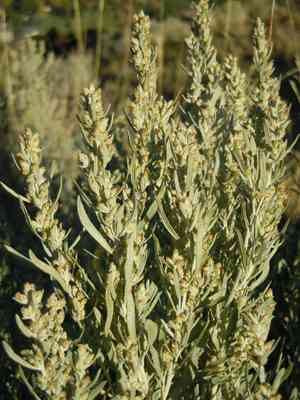
Beyond its practical advantages, Silver sagebrush adds aesthetic value to any garden. Its silver-gray foliage offers a striking contrast to green plants, creating visual interest and enhancing landscape aesthetics. This plant can serve as a focal point or as a complementary element in various garden styles, from modern to naturalistic.
How Does Silver sagebrush Support Biodiversity?
Wildlife Habitat
Silver sagebrush plays a vital role in supporting local biodiversity by providing shelter and food for various wildlife species. Birds, small mammals, and insects frequently depend on this plant for refuge and sustenance. By planting Silver sagebrush in your garden, you contribute to the preservation of these species and promote a healthy, balanced ecosystem.
Pollinator Support
In addition to offering shelter, Silver sagebrush supports pollinators such as bees and butterflies. Its small flowers, though modest in appearance, are rich in nectar and attract these crucial creatures. Supporting pollinators is essential for the health of your garden and the broader environment, as they play a key role in the pollination of many plants.
Can Silver sagebrush Be Incorporated into Landscaping?
Versatility in Landscape Design
Silver sagebrush is highly valued in landscaping for its adaptability and low maintenance. It can be utilized in various landscape designs, including rock gardens, dry streambeds, and as a border plant. Its resilience to harsh conditions and minimal water needs make it a practical and sustainable choice for landscapers aiming to create attractive yet easy-to-maintain environments.
Pairing with Other Plants
When combined with other drought-tolerant plants, Silver sagebrush can create a cohesive and harmonious landscape design. Its unique color and texture contrast beautifully with plants that have different foliage and flower colors, adding depth and diversity to your garden. Consider pairing it with lavender, yarrow, or ornamental grasses for a stunning visual effect.



