Enhancing Your Garden Design with the Silver sagebrush Plant: A Landscaping Guide
1
Silver sagebrush tolerates dry conditions and needs little irrigation.
2
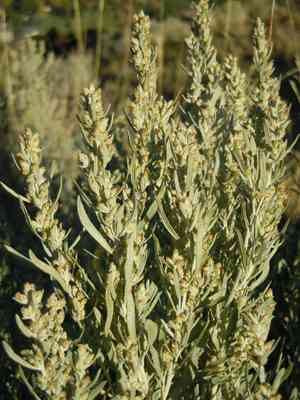
The metallic-hued leaves of Silver sagebrush offer a distinct visual element in landscape plans.
3
Silver sagebrush draws in diverse animal species, enhancing ecological variety in your outdoor space.
Incorporating Silver Sagebrush into Your Garden Scheme
Evaluating Your Outdoor Area
Prior to introducing Silver sagebrush into your garden, it's vital to thoroughly examine your outdoor space. Assessing its dimensions, soil composition, and sun exposure can help pinpoint optimal planting spots for Silver sagebrush. This plant flourishes in well-drained soil and locations receiving full to partial sunlight. By comprehending your garden's specific conditions, you can make informed choices to ensure Silver sagebrush thrives, lending its distinct silvery hue to your landscape.
Design Principles Utilizing Silver Sagebrush
Integrating Silver sagebrush into your garden design goes beyond merely finding an appropriate location. It involves embracing design concepts that emphasize its unique characteristics. Consider employing Silver sagebrush as a central feature or an accent to draw attention to particular garden zones. Its silvery leaves can create striking contrasts when paired with darker green plants or vibrant flowering species. Experimenting with textures and colors can invigorate your garden, making Silver sagebrush a core component of your aesthetic vision.
Visual Allure of Silver Sagebrush
The visual appeal of Silver sagebrush in your garden can be truly transformative. Its soft, silver foliage beautifully captures light, producing a shimmering effect that shifts with the sun's angle throughout the day. This plant's distinctive coloration and texture can alleviate the monotony of green landscapes, creating dynamic and captivating garden sections. Whether used in borders, as ground cover, or even in containers, Silver sagebrush acts as a versatile and visually impactful element in any garden design.
Companion Planting with Silver Sagebrush
Discovering Compatible Flora
Companion planting with Silver sagebrush entails selecting plants that will grow harmoniously alongside it. Consider xeriscape plants, which are well-suited for arid environments, to pair with Silver sagebrush. These can include various ornamental grasses, succulents, and even other sagebrush varieties. When choosing companions, prioritize those with complementary growth habits and colors to enhance your garden's overall aesthetic appeal.
Advantages of Variety
Diversity in your garden not only boosts its visual charm but also fosters a healthier ecosystem. By planting Silver sagebrush alongside a range of other plants, you can cultivate a more resilient landscape. Diverse plantings attract various pollinators and beneficial insects, which can improve plant health and productivity. Furthermore, a mix of plant species can help prevent the spread of pests and diseases, simplifying garden maintenance.
Seasonal Considerations for Silver Sagebrush
Blossoming and Foliage Transformations
Understanding the seasonal changes of Silver sagebrush is crucial for preserving its beauty year-round. In spring and early summer, expect Silver sagebrush to produce small, pale yellow blooms that add a delicate touch to its silver foliage. As the seasons progress, the leaves may adopt different shades, offering a dynamic visual experience. Monitoring these changes allows you to plan complementary plantings that ensure continuous visual interest in your garden.
Sustaining Year-Round Attractiveness
For continuous appeal, Silver sagebrush demands minimal upkeep. Regular trimming of dead or overgrown branches helps maintain the plant's health and attractiveness. In colder regions, the silver foliage provides a striking contrast against winter landscapes, making Silver sagebrush an excellent choice for sustaining garden interest through all seasons. Mulching can also help protect the roots during extreme weather, ensuring your Silver sagebrush remains a steadfast part of your garden's beauty.
Sustainability and Environmental Benefits of Silver Sagebrush
Drought Resilience and Water Conservation
One of Silver sagebrush's most remarkable attributes is its drought resistance. This plant thrives in low-water conditions, making it an excellent choice for sustainable gardening. By incorporating Silver sagebrush into your landscape, you can significantly reduce your water consumption, which is both eco-friendly and economical. In areas prone to drought or with water restrictions, Silver sagebrush serves as a dependable and attractive element of your garden design.
Wildlife Attraction and Biodiversity
Silver sagebrush offers substantial advantages for local wildlife and biodiversity. Its flowers draw pollinators like bees and butterflies, while its dense foliage provides refuge for small animals. By planting Silver sagebrush, you are creating a habitat that supports a variety of species, contributing to the overall health of your local ecosystem. This biodiversity not only enriches your garden's environment but also adds layers of life and movement to your outdoor spaces.



