How to Propagate Silver sagebrush?
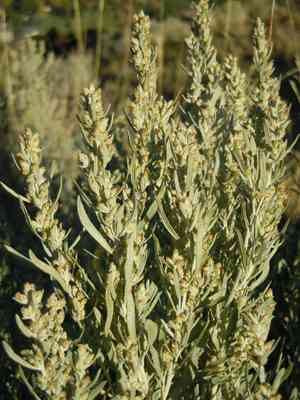
Originating from North America, silver sagebrush flourishes in arid environments and demands little upkeep. Its primary method of reproduction is via cuttings, yielding optimal outcomes with semi-hardened stems. To ensure successful cultivation, it is essential to provide soil with good drainage and practice infrequent irrigation, mimicking the natural dry ecosystems of silver sagebrush. Removing foliage from the bottom portion of the cuttings can encourage root formation. Applying rooting hormone improves the chances of establishment, though silver sagebrush can develop roots independently. Placing cuttings directly into their permanent outdoor spot aids in their resilience.
What Is the Best Time To Propagate Silver Sagebrush?
Propagation Type
Cutting
Propagation Season
Autumn,Winter
What Tools Are Used in Silver Sagebrush Propagation?
Sharp Pruning Shears
These are crucial for obtaining clean, precise cuttings from silver sagebrush. Sharp blades ensure a neat cut, reducing harm to the parent plant and boosting the likelihood of successful rooting. A clean cut helps prevent infection and promotes faster healing and rooting.
Rooting Hormone Powder
This aids in stimulating root development from the cut stems of silver sagebrush. Applying a rooting hormone to the stem's cut end enhances root formation, which is vital for successful propagation via cuttings. This increases the chance of the cutting establishing itself as a new, healthy plant.
Sterile Potting Mix
Utilizing a sterile potting mix is essential for the germination of silver sagebrush cuttings. A sterile medium prevents disease-causing pathogens and pests that could harm vulnerable cuttings. The mix should be light and well-draining to support the growth of new roots.
Propagation Tray
This device securely and neatly holds silver sagebrush cuttings, offering an optimal environment for rooting. Propagation trays often provide a controlled setting that can be adjusted to maintain ideal humidity and temperature to encourage root growth.
Plastic Domes or Covers
These create a moist atmosphere around silver sagebrush cuttings, which is crucial for keeping them hydrated and fostering root development. Consistent humidity helps prevent cuttings from drying out before they can root.
How to Propagate Silver Sagebrush?
Propagation Type
Moderately Difficult
How to Care for Your Newly Propagated Silver Sagebrush?
How to Care for Your Newly Propagated Silver Sagebrush?
Once roots have formed, gradually introduce the rooted silver sagebrush cuttings to less humid conditions before moving them to their permanent spots. Select a location with ample sunlight and well-draining soil. Water consistently without overwatering, as silver sagebrush tolerates drought once established. Minimal fertilization is needed; however, an annual application of a balanced fertilizer can be beneficial in poorer soils. Regular pruning isnât required but can be done to manage size and shape or to remove any damaged or overly woody stems.
Common Mistakes to Avoid When Propagating Silver Sagebrush
Overwatering
Excessive moisture can lead to root rot and fungal diseases, harming silver sagebrush's health and decreasing propagation success.
Insufficient sunlight
Silver sagebrush requires full sun to thrive. Lack of sunlight can result in weak, leggy growth, hindering successful propagation.
Using dense soil
Dense or poorly draining soil can cause water to stagnate around silver sagebrush's roots, impairing growth and risking rot.
Ignoring pest management
Failing to protect silver sagebrush from pests during propagation can lead to infestations that weaken or kill young plants.
Tips For Propagating Silver Sagebrush
Well-draining medium
Use a well-draining propagation medium to prevent water-logging and encourage healthy root development in silver sagebrush.
Full sun location
Ensure silver sagebrush is propagated in a location that receives full sun for most of the day to promote vigorous growth.
Gentle watering
Water silver sagebrush gently and sparingly, allowing the soil to dry slightly between waterings, to prevent root rot.
Pest monitoring
Regularly inspect silver sagebrush for signs of pests and take action promptly to mitigate any infestations.



