How to Transplant Red chokeberry?
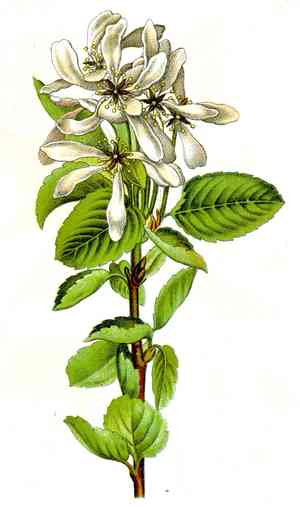
The optimal period for relocating red chokeberry spans from early to late spring, or from mid-autumn to early winter, which fosters robust development. Select a site featuring soil that drains effectively and receives partial sunlight. When performing the transfer, ensure the root system remains undisturbed to guarantee a successful transition. Enjoy your gardening endeavors!
What Preparations are Needed Before Transplanting Red Chokeberry?
What is the Ideal Time for Transplanting Red Chokeberry?
The optimal period to relocate red chokeberry is from early spring until late spring, and again from mid-autumn through early winter. Moving it in spring allows red chokeberry ample time for root development before summer's heat, while an autumn transfer enables the plant to acclimate before winter, thereby boosting its survival rate. Scheduling your transplant within these windows will greatly benefit your red chokeberryâs development. Proper timing ensures a flourishing red chokeberry!
How Much Space Should You Leave Between Red Chokeberry Plants?
When transplanting red chokeberry, it's best to provide them with sufficient room to grow. Aim for a separation of approximately 5-6 ft. (1.5-1.8 meters) between plants, which will allow them to thrive and expand.
What is the Best Soil Mix for Red Chokeberry Transplanting?
To prepare the soil for red chokeberry, select well-draining, slightly acidic soil with a pH ranging from 5.5 to 6.5. Enhance the soil with organic material, such as compost or aged manure, and incorporate a balanced, slow-release fertilizer to promote robust growth.
Where Should You Relocate Your Red Chokeberry?
Select a site where red chokeberry will receive full sun to partial shade, ideally 4-6 hours of direct sunlight daily. Be sure to avoid locations with poor drainage or standing water, as this plant flourishes in well-drained conditions.
What Equipments Should You Prepare Before Transplantation Red Chokeberry?
Gardening Gloves
To safeguard your hands while handling soil and red chokeberry.
Digging Spade
To excavate the plant from its original spot or lift it from a container.
Wheelbarrow or Garden Cart
For effortless relocation of the plant between areas without causing harm.
Garden Trowel
Useful for excavating smaller holes and manipulating soil.
Watering Can or Hose
For hydrating the plant before and after the transplanting procedure.
Mulch
To offer a protective covering for the plant's root system.
Root Pruners
To trim off dead or excessive roots to encourage new growth.
Soft Cloth or Burlap
To safeguard the root ball during transit.
How Do You Remove Red Chokeberry from the Soil?
How Do You Remove Red Chokeberry from the Soil?
From Ground: First, moisten the red chokeberry plant to dampen the soil. Then, use your spade to dig a wide trench around the plant, ensuring the root ball remains intact. Carefully work the spade beneath the root ball to lift the plant from its original location. Wrap the root ball in a soft cloth or burlap for protection during transport.From Pot: Thoroughly water the red chokeberry plant. Then, lay the pot on its side and gently ease the plant out. If it resists, lightly tap the sides and bottom of the pot to loosen the plant. Avoid pulling the plant forcefully, as this could damage its root system.From Seedling Tray: Using a trowel, gently dig around each seedling's root zone and carefully lift it. Hold them by their leaves to avoid damaging the delicate stems.
Step-by-Step Guide for Transplanting Red Chokeberry
Hole Preparation
Excavate a hole that is twice the width and the same depth as the red chokeberry's root ball. Position the plant in the center of the hole, ensuring the top of the root ball is level with the ground surface.
Placing the Plant
Place the red chokeberry into the hole. Orient it so the plant faces the desired direction.
Backfilling
Refill the hole with soil, gently firming as you proceed. Ensure the red chokeberry stands upright.
Watering
Thoroughly water the plant to settle the soil around the roots. This will help eliminate any air pockets.
Mulching
Apply a layer of mulch around the base of the plant, but keep it from direct contact with the stem.
How Do You Care For Red Chokeberry After Transplanting?
Watering
Maintain consistent moisture during the initial couple of weeks. The soil should be damp, but not waterlogged to prevent overwatering or root rot.
Pruning
Lightly prune the red chokeberry plant in its first year after transplanting to encourage denser growth.
Mulch
Replenish the mulch layer as needed, but ensure it does not touch the stem.
Monitoring
Watch for any indications of transplant shock such as wilting or yellowing leaves and act promptly if you observe anything unusual.
Troubleshooting Common Issues with Red Chokeberry Transplantation.
When is the best time to transplant red chokeberry?
Relocate red chokeberry in early to late spring or mid-fall to early winter for optimal growth. Transplanting outside these seasons can cause undue stress to the plant.
How far apart should I space my red chokeberry when transplanting?
Red chokeberry requires room to spread, so for the best outcomes, ensure they are planted 5-6 ft. (1.5-1.8 meters) apart. This will provide them ample space to grow and expand.
What type of soil does red chokeberry prefer?
Red chokeberry thrives in well-drained soil that is slightly acidic. Be sure to amend your soil if necessary before you begin the transplanting process.
How much sunlight does red chokeberry need?
Red chokeberry plants flourish in full sun but can endure partial shade. However, for the most vibrant color and best development, position them where they can receive at least six hours of direct sunlight daily.
Should I water red chokeberry immediately after transplanting?
Yes, you should water red chokeberry immediately after transplanting to aid root establishment. It also helps the soil settle and eliminate air gaps around the roots.
How deep should I dig the hole for transplanting red chokeberry?
Excavate a hole that is twice the width of the root ball and the same depth. This provides the roots of red chokeberry ample space to extend and establish.
Can I transplant red chokeberry that's already mature?
Certainly, you can. But remember, larger red chokeberry will experience more stress during relocation. It is ideal if you can manage this during the cooler months of the year to minimize plant stress.
How to handle the roots when transplanting red chokeberry?
Handle red chokeberry roots gently during transplanting. Avoid tearing or damaging the roots as this can lead to unhealthy growth or even plant death.
What should I do if red chokeberry leaves wilt after transplanting?
Leaves wilting after transplanting red chokeberry is normal due to the stress of relocation. Maintain consistent watering, and the plant should recover within a week or two.
How frequently should I water red chokeberry after transplanting?
For the first few weeks after planting, keep the soil moist but not waterlogged. Once established, red chokeberry is quite drought-tolerant but benefits from regular watering during dry conditions.



