How to Propagate Red chokeberry?
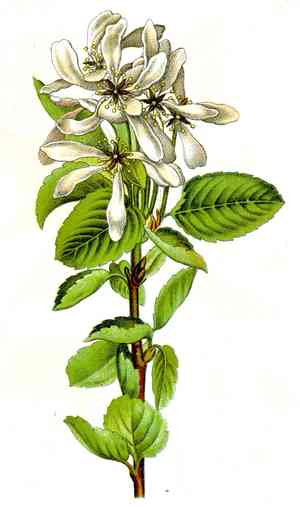
Aronia arbutifolia is most effectively reproduced using semi-ripe cuttings or by employing ground layering techniques in the fall and winter seasons. Expect a moderate level of challenge, with indicators of success being the emergence of new shoots and the formation of roots. Sufficient hydration and a substrate that drains efficiently are vital for favorable outcomes.
Optimal Time for Red Chokeberry Propagation
Propagation Method
Cutting
Propagation Period
Autumn,Winter
Tools for Red Chokeberry Propagation
Sharp Pruning Shears
These are vital for making clean, precise cuts on red chokeberry stems, minimizing harm to the parent plant. A sharp blade ensures a smooth incision that heals quickly and prevents stem damage, which could introduce disease or hinder root formation on the cutting.
Rooting Hormone
This compound accelerates root development on red chokeberry cuttings. Rooting hormone contains auxins that stimulate root growth, enhancing propagation success. Applying it to the cutting's base before planting can significantly improve outcomes.
Sterile Potting Mix
A clean, well-draining growing medium prevents disease and supports new root growth. For red chokeberry, the potting mix should be sterile to reduce the risk of soil-borne pathogens affecting young cuttings, and it needs good aeration and moisture retention for rooting.
Propagation Tray
This shallow container securely holds red chokeberry cuttings while they root. A propagation tray often includes domes to maintain high humidity around the cuttings, which is crucial for preventing dehydration before roots develop.
Heating Mat
This specialized device provides consistent bottom heat to the propagation tray, encouraging faster root growth for red chokeberry cuttings. Heat mats help maintain an ideal rooting temperature, essential for early root development during propagation.
Hygrometer
Monitoring humidity levels around red chokeberry cuttings is vital for their survival. A hygrometer indicates if humidity is adequate or if adjustments are needed, such as misting the cuttings or adjusting the dome cover on the propagation tray.
Misting Bottle
This tool is used to gently mist red chokeberry cuttings, maintaining high humidity and keeping leaves hydrated. Regular misting is critical to prevent desiccation while cuttings develop roots and cannot yet absorb water independently.
Post-Propagation Care for Red Chokeberry
Post-Propagation Care for Red Chokeberry
Once red chokeberry has established a robust root system, acclimate the plant by gradually increasing air exposure over a week. Transplant it to a larger pot or directly into the garden in an area with full sun to partial shade. Maintain consistent moisture and apply mulch to retain soil moisture and suppress weeds. Pruning in late winter can encourage bushier growth, and while red chokeberry adapts to various soil types, it prefers slightly acidic, well-drained soil. Monitor for pests and diseases, addressing issues promptly to maintain plant health.
Common Errors to Avoid When Propagating Red Chokeberry
Inadequate rooting medium
When propagating red chokeberry, a frequent error is using a rooting medium that lacks sufficient moisture retention and aeration. A poor medium choice can lead to root rot or a slow rooting process due to insufficient oxygen or water.
Excessive watering of cuttings
Over-watering red chokeberry cuttings is problematic as it can promote fungal growth and rot, likely killing the young plants before they can successfully establish themselves.
Neglecting sanitation
Failing to use clean and sterilized tools when taking cuttings for propagation can spread disease to red chokeberry, which can be detrimental to the cutting's health and the success of propagation.
Improper cutting size
Cutting red chokeberry stems either too short or too long can be an issue. Short cuttings may not have enough energy to survive, while overly long ones can wilt or struggle to absorb sufficient water.
Tips for Propagating Red Chokeberry
Semi-hardwood cuttings
For red chokeberry, utilizing semi-hardwood cuttings, which are mature yet still flexible, can lead to better rooting success as they balance established structure with growth potential.
Appropriate humidity
Maintaining correct humidity levels is crucial for successful red chokeberry propagation. Cuttings of this plant require high humidity but also need proper air circulation to prevent mold growth.
Rooting hormone application
Applying a rooting hormone to red chokeberry cuttings can stimulate root growth and increase the chances of successful propagation by accelerating the rooting process.
Careful watering
Watering red chokeberry cuttings should be done carefully to maintain moisture without waterlogging. The medium should be consistently moist but not saturated to encourage root growth while preventing rot.



