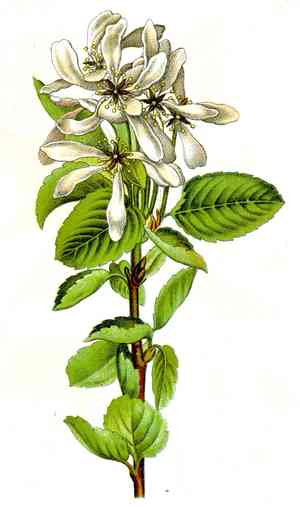
Red chokeberry (Aronia arbutifolia)
Also known as: Chokeberry
Red chokeberry (Aronia arbutifolia) is a native North American shrub known for its flowering and branching characteristics. It is commonly found in eastern Canada, as well as the eastern and central regions of the United States. The shrub produces berries that are often considered to have an unpleasant taste.
In This Article
Attributes of Red chokeberry
Lifespan
Perennial
Plant Type
Shrub
Plant Height
1.8 m to 3 m
Spread
90 cm to 1.5 m
Leaf Color
Green Red Yellow Gray
Flower Size
2.5 cm
Flower Color
White Pink
Images of Red chokeberry
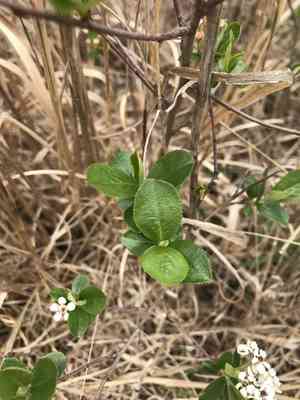
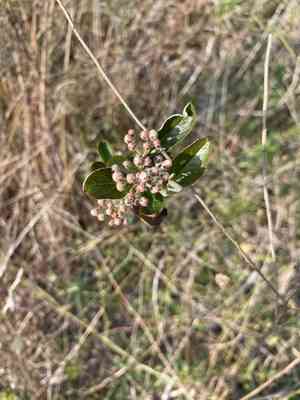
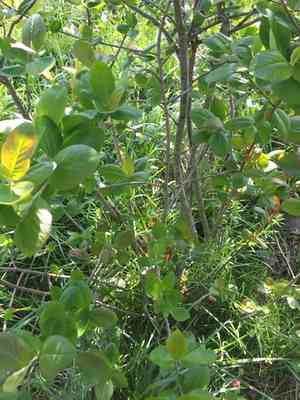
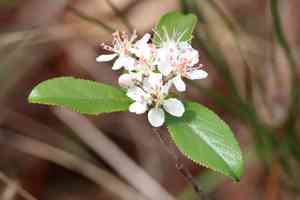
Quickly Identify Red chokeberry
1
Glossy dark green leaves transitioning to red or purple in fall.
2
Clusters of white to light pink flowers in spring, leading to reddish-purple berries.
3
Shiny red berries, 1/4-1/3 inch (6.35-8.47 mm) in diameter.
4
Multi-stemmed upright stem with distinctive reddish color and bright red buds.
5
Thin, smooth reddish-brown bark exfoliating to reveal textural changes.
Scientific Classification of Red chokeberry
Phylum
Vascular plants
Class
Dicotyledons
Order
Rosales
Family
Rose
Genus
Chokeberries
Species
Red chokeberry
Planting and Growing of Red chokeberry
Care Difficulty
Easy
Watering Schedule
Every 2 days
Sunlight Requirements
Full sun
Sunshine Duration
4-8 hours
Ideal Temperature
55-75℉
Soil Type
Potting Mix, Peat Mix
Soil pH
5-6.5
Fertilizer Type
Balanced
Pruning Season
Spring, Summer
Pruning Area
Branches, Leaves
Pruning Frequency
2 times a year
Repotting Season
Spring
Pot Type
Plastic, Ceramic
 How to Water Red chokeberry?
For Aronia arbutifolia, the recommended watering amount is about 500 milliliters per session. Ensure the water reaches the root zone but does not make the soil soggy. This helps maintain the balance between adequate hydration and avoiding root rot.
What are the symptoms of an underwatered Red chokeberry?
›
What should I do if my Red chokeberry is not getting enough water?
›
What are the symptoms of an overwatered Red chokeberry?
›
How to save an overwatered Red chokeberry?
›
 What Are the Sunlight Requirements for Red chokeberry?
Aronia arbutifolia flourishes best in full to partial sun, ideally receiving 6-8 hours of sunlight daily. This encourages healthy growth, optimal berry production, and overall plant vitality.
More About Sunlight Requirements Techniques→
What is the best light condition for Aronia arbutifolia?
›
What solutions exist for achieving ideal light conditions?
›
What are the benefits of achieving ideal light conditions?
›
 What Is the Ideal Temperature Range for Red chokeberry?
The ideal temperature range for cultivating Aronia arbutifolia is between 55°F and 75°F. Maintaining this temperature helps ensure optimal growth conditions and supports healthy development of the plant. Temperatures within this range contribute to proper photosynthesis and can enhance the plant's ability to resist diseases.
 What Soil is Best for Red chokeberry?
Aronia arbutifolia thrives in well-drained soil, which prevents waterlogging that can damage roots and stunt growth. Ensuring well-drained soil helps maintain healthy root systems, supporting robust growth and abundant flowering. The incorporation of organic matter into the soil enhances nutrient availability and improves soil structure, fostering better water retention. This enriches the plant's growth environment and promotes vigorous health and fruiting. While Aronia prefers well-drained soil, it also benefits from soil that can retain moisture. This balance ensures that the roots are not dry, particularly during dryer periods, aiding consistent growth and high fruit yield.
 How to Fertilize Red chokeberry?
When fertilizing Aronia arbutifolia, use a balanced liquid fertilizer diluted to half strength. Apply approximately 1 gallon per mature shrub, ensuring the fertilizer reaches the root zone. For slow-release granules, distribute them evenly around the base at a rate of 2-4 ounces per plant, depending on the plant's size and age.
 How to Prune Red chokeberry?
Start by eliminating any dead or diseased branches. Look for wood that is clearly not thriving—brown, brittle, and without any future. Pruning these areas helps prevent disease and promotes healthier overall growth. Focus on creating an appealing symmetrical shape. Trim back branches that disrupt the natural form of the shrub, concentrating on thinning out the interior to enhance airflow and sunlight penetration. Thin out older wood each year to promote new growth, as new branches are often more productive. By removing older, less productive stems, you can increase berry yield and ensure the plant’s energy goes towards new, strong branches.
More About Pruning Techniques→
 How to Propagate Red chokeberry plant?
1
Choose semi-hardwood cuttings during early spring, which should be about 4-6 inches long with healthy leaves. This type of cutting has a better likelihood of rooting successfully.
2
Remove the leaves from the bottom half of the cutting to prevent rotting and enhance root growth. Dip the end in rooting hormone to help stimulate root development.
3
Insert the cuttings into a pot with a well-draining potting mix. Ensure that at least one node is buried in the soil for optimal root establishment.
 How to Repot Red chokeberry plant?
1
Signs that Aronia arbutifolia needs repotting include roots emerging from the drainage holes, slowed growth, or if the soil is no longer retaining moisture. The ideal time to repot is in spring when the plant is coming out of dormancy, as it will have ample time to recover during the growing season.
2
Select a pot that is 1-2 inches larger in diameter than the current one. Ensure the pot has good drainage holes to prevent waterlogging which can lead to root rot. A slightly larger pot encourages a healthy root system and provides enough room for the plant to grow and thrive.
3
Opt for a well-draining, organic-rich potting mix. This ensures that excess water drains away easily, preventing root rot, while providing the necessary nutrients for Aronia arbutifolia’s growth. Organic matter in the soil will retain enough moisture to support the plant's water needs without becoming waterlogged.
Toxicity
None
WARNING
The judgment on toxicity and danger is for reference only. We DO NOT GUARANTEE any accuracy of such judgment. Therefore, you SHALL NOT rely on such judgment. It is IMPORTANT TO SEEK PROFESSIONAL ADVICE in advance when necessary.



