Enhancing Your Garden Design with the Red chokeberry Plant: A Landscaping Guide
1
Red chokeberry offers continuous aesthetic appeal through its vivid hues and lustrous foliage.
2
This adaptable bush provides sustenance for native fauna, such as beneficial insects and avian species.
3
Integrating Red chokeberry into your landscape design can boost environmental resilience and natural equilibrium.
Introducing Red Chokeberry for Landscape Use
Key features of Red chokeberry relevant to garden design.
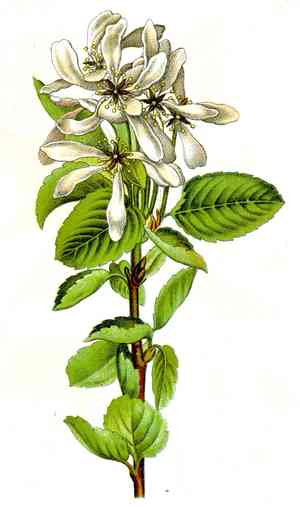
Red chokeberry is recognized for its striking appearance, featuring white flower clusters in spring, vibrant red berries in autumn, and glossy green leaves that transform into a brilliant red hue in fall. Reaching a height of approximately 6-8 feet, this shrub is both manageable and visually appealing. Its appeal across multiple seasons makes it a favored selection in various landscape schemes, bringing color and texture to gardens throughout the year.
Advantages of integrating Red chokeberry into your outdoor space.
A primary advantage of adding Red chokeberry to your garden is its capacity to offer beauty year-round. The spring blooms draw in bees and butterflies, while the berries supply sustenance for birds during the fall and winter months. Furthermore, Red chokeberry demands relatively little upkeep, making it an excellent option for gardeners desiring an attractive landscape without significant effort. Its adaptability to diverse soil types and resistance to pests and diseases are added benefits.
Designing with Red Chokeberry: Optimal Placement Advice
Prime garden locations for maximum visual effect.
When deciding where to position Red chokeberry, consider spots where its vivid colors can truly stand out. Placing it near entrances or along walkways can foster a welcoming ambiance. It also performs well in mixed borders, where it can serve as a backdrop for perennial and annual plants. Additionally, Red chokeberry can function as an accent plant in open garden areas, allowing its bold fall colors to be fully appreciated.
Complementary plants and pairings that enhance Red chokeberry.
To amplify Red chokeberry's visual impact, combine it with plants that possess harmonious colors and textures. Evergreen shrubs can offer a contrast to Red chokeberry's seasonal transformations. Other excellent companions include perennials such as daylilies and hostas, which can accentuate Red chokeberry's flowers and berries. Ground covers like creeping phlox can also work effectively at its base, adding another layer of interest to your landscape.
Seasonal Considerations for Red Chokeberry
Year-round appeal: What to expect from Red chokeberry each season.
In spring, Red chokeberry displays a delicate charm with its white or pale pink blooms. As the seasons advance, the flowers give way to lush green foliage, providing a vibrant backdrop for summer gardens. By fall, the leaves turn a brilliant red, and bright berries emerge, offering a burst of color in the landscape. Even in winter, the berries remain, lending a touch of vibrancy amidst the dormant garden.
Seasonal care recommendations for peak landscape health.
To maintain Red chokeberry's best appearance, certain seasonal care tasks are essential. In spring, prune any dead or damaged branches to encourage new growth. Applying mulch around the shrub's base can help retain moisture and suppress weeds during the warm summer months. In fall, a light pruning can help preserve its shape, and applying an organic fertilizer can boost the plant's health as it prepares for winter dormancy. Monitor for signs of disease or pests, though Red chokeberry is generally resilient to both.
Integrating Red Chokeberry into Various Landscaping Styles
How to incorporate Red chokeberry into formal garden designs.
Red chokeberry can be a striking addition to formal garden designs. Its structured growth habit makes it suitable for geometric layouts and symmetrical plantings. Utilize it in hedges or as a focal point in a formal setting, where it can balance the precision of other elements with its burst of color. In a parterre garden, its berries and fall foliage provide seasonal interest within the defined spaces.
Concepts for using Red chokeberry in informal or naturalistic landscapes.
In informal or natural-style landscapes, Red chokeberry excels with its capacity to blend into the surrounding environment while adding texture and color. It performs well in woodland gardens, paired with ferns and native wildflowers. For a more relaxed aesthetic, consider planting Red chokeberry along the edges of natural ponds or streams. The shrub's inherent form and seasonal changes make it perfect for creating a harmonious, organic feel.
Environmental Advantages of Including Red Chokeberry in Your Landscape
Ecological impact: Supporting local wildlife and ecosystems.
Red chokeberry plays a vital role in sustaining local wildlife. Its flowers attract pollinators like bees and butterflies, while its berries provide crucial food for birds and small mammals. By planting Red chokeberry, you can help establish a habitat that fosters biodiversity. Its dense growth also offers refuge for various creatures, contributing to a balanced and flourishing ecosystem in your garden.
Red chokeberry's contribution to sustainable gardening practices.
Incorporating Red chokeberry into your garden design is a step toward sustainable gardening. The shrub is robust and adaptable, often requiring minimal water and care once established. By selecting Red chokeberry, you are choosing a low-maintenance plant that aids in resource conservation. Its ability to attract beneficial insects can lessen the need for chemical pesticides, promoting healthier gardening methods.



