How to Prune Red chokeberry?
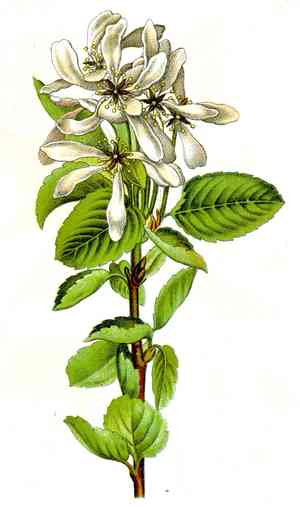
Distinguished by its vivid crimson berries and lustrous green leaves, red chokeberry flourishes with consistent trimming to preserve its form and foster robust development. The most effective time for pruning is in early spring, prior to the emergence of new shoots. Essential methods involve reducing older branches and judiciously eliminating frail or ailing stems, thereby guaranteeing sufficient light and airflow. This practice not only stimulates the formation of blossoms and fruit but also strengthens the plant's inherent resistance to infestations and illnesses.
What Are the Benefits of Pruning Red Chokeberry?
What Are the Benefits of Pruning Red Chokeberry?
Trimming red chokeberry promotes vigorous development and maintains its desired shape. Strategic cutting back revitalizes the plant, ensuring dense foliage and a tidier, more compact form. Regular pruning enhances vitality and visual appeal.
What Is the Best Time for Pruning Red Chokeberry?
What Is the Best Time for Pruning Red Chokeberry?
Pruning red chokeberry in early spring aligns with its dormant phase, minimizing plant harm and improving wound recovery. Trimming before new growth emerges allows gardeners to shape the plant and remove dead or diseased wood without sacrificing flowers or fruits, as red chokeberry blooms on old wood. It also invigorates red chokeberry for strong spring growth and supports plant health by ensuring good air circulation within the canopy.
What Tools Do I Need to Prune Red Chokeberry?
Hand Pruners
Perfect for making clean cuts on branches up to 1/2 inch thick, common for red chokeberry. Ergonomic designs can lessen hand fatigue when trimming many branches.
Loppers
Capable of cutting thicker branches, typically up to 1 and 1/2 inches in diameter. Since red chokeberry can develop thicker stems, loppers are effective for shaping and thinning.
Pruning Saw
For mature red chokeberry with branches exceeding 1 and 1/2 inches in diameter, a pruning saw is essential. It allows for precise cuts on larger wood without damaging the plant.
Shears
Hedge shears can be utilized for shaping red chokeberry if a more formal hedge appearance is desired. They enable uniform trimming of smaller, thinner branches.
Pole Pruner
For taller red chokeberry specimens, a pole pruner can reach higher branches without a ladder, thereby improving safety during the pruning process.
How to Prune Red Chokeberry
Step1: Tool preparation for pruning
Gather the necessary tools for trimming red chokeberry, including sharp bypass pruners, gloves, and possibly loppers for larger stems.
Step2: Identifying old growth on the plant
Locate old stems on red chokeberry by observing wood that appears gray and more textured than younger, reddish-brown stems. These older stems are typically less vigorous and can be removed to encourage new growth.
Step3: Angled cutting of old stems
Cut the old stems at the base, near the plant's crown, using a clean, angled cut. This will stimulate red chokeberry to produce new shoots and prevent the plant from becoming too dense.
Step4: Removing damaged stems for health
Inspect red chokeberry for any damaged stems, which may appear broken, diseased, or pest-infested. These can be a source of disease and should be pruned to maintain plant health.
Step5: Cutting into healthy wood below damage
Trim damaged stems by cutting at least several inches into healthy wood below the damaged area. If the entire stem is affected, remove it at the base as you would with old growth.
Step6: Shaping the plant post-pruning
After removing old and damaged stems, assess the overall shape of the red chokeberry. Pruning should result in a balanced, natural-looking form that preserves the plant's arching habit.
Step7: Proper disposal of removed stems
Properly dispose of removed stems, composting them if disease-free, or discarding them in the trash if they show signs of disease or pests to prevent spread to other plants.
Step8: Post-pruning tool sanitation
Clean your tools thoroughly after pruning red chokeberry to prevent the spread of any potential diseases to other plants in your garden.
Post-Pruning Care for Red Chokeberry
Post-Pruning Care for Red Chokeberry
Immediately after trimming red chokeberry, water it thoroughly to reduce stress. Maintain moist, well-drained soil, avoiding waterlogging. Provide a partially shaded environment to protect healing tissue, ensuring red chokeberry isn't exposed to harsh sun. Regulate ambient temperature and humidity to match red chokeberry's natural habitat. Apply a balanced fertilizer to aid recovery, but avoid over-fertilization which can harm the plant. Regularly inspect pruned areas for any signs of disease or pests, acting swiftly with appropriate treatments if necessary. Encourage robust growth by monitoring and adjusting care as red chokeberry recovers.
Common Pruning Mistakes with Red Chokeberry
Over-Pruning Hinders Shape and Berry Production
Excessive trimming of red chokeberry can impede its natural shape and berry yield. Removing too much growth in one session can stress the plant.
Neglecting Dead Branch Removal Invites Pests
Failing to remove dead or diseased branches from red chokeberry can attract pests and diseases, impacting the plant's overall health.
Improper Cuts Damage Plant Core Structure
Cutting back red chokeberry indiscriminately or too close to the main stem may harm the core structure, potentially leading to weak new growth or failure to thrive.
Ignoring Natural Growth Pattern Affects Aesthetics
Disregarding the natural growth pattern of red chokeberry during pruning can result in an unbalanced shape and diminish the plant's aesthetic value.
Unsterilized Tools Spread Plant Diseases
Failure to sanitize pruning tools before use on red chokeberry increases the risk of spreading diseases between plants.
Common Pruning Tips for Red Chokeberry
Selective Pruning of Dead or Damaged Wood
Identify and selectively trim out any dead, damaged, or diseased wood to maintain the health and appearance of red chokeberry. This targeted approach encourages beneficial growth without over-pruning.
Follow Natural Form and Angle for Healthy Growth
When shaping red chokeberry, follow its natural form, making clean cuts at a 45-degree angle just above an outward-facing bud to encourage outward growth and allow for proper wound healing.
Prune Leggy Stems for Bushier Growth
Encourage bushier growth in red chokeberry by trimming leggy stems or overlong branches that disrupt the plant's balance. This promotes a denser, more robust structure.
Rejuvenate with Selective Removal of Old Stems
As red chokeberry ages, periodically rejuvenate the plant by selectively removing a few of the oldest stems at their base to stimulate fresh, vigorous growth and maintain a youthful form.
Use Sharp, Clean Tools for Precise Healthy Cuts
Always use sharp, clean pruning shears or loppers on red chokeberry for precise cuts that will heal quickly and reduce the chance of disease entry.



