How to Overwinter Red chokeberry
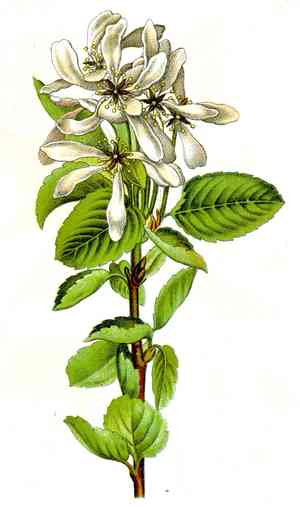
1
Red chokeberry tolerates cold well, enduring temperatures down to -29°C (-20°F).
2
Although Red chokeberry adapts to diverse soil conditions, good drainage is crucial for its winter endurance.
3
Trim in late winter or early spring to encourage robust new development.
What is Overwintering for Red chokeberry?
What is Overwintering for Red chokeberry?
Overwintering refers to the methods and practices employed to help plants endure and maintain health throughout the colder months. For Red chokeberry, a deciduous shrub recognized for its vivid red berries and striking autumn foliage, this process is vital. Its resistance to frost makes it a robust option for gardeners, but proper winter preparation ensures its vigorous return in spring.
Preparing Red chokeberry for Winter
Pruning and Cleaning
Before the onset of winter, it's crucial to prune Red chokeberry. Remove any dead, damaged, or diseased branches to inhibit disease spread and enhance air circulation. This step lowers the risk of pests and fungal infections establishing during dormancy. Remember to clear fallen leaves and debris from around the plant's base to deter pests.
Soil Preparation
Red chokeberry thrives in soil that drains well yet retains sufficient moisture to prevent root desiccation. Improve soil quality by incorporating organic matter such as compost. This will not only boost drainage but also supply nutrients that help the plant withstand winter stresses.
Watering Requirements
As winter approaches, ensure Red chokeberry is adequately watered. Provide a thorough watering session just before the initial hard frost. This helps the roots build a moisture reserve, assisting them in enduring dry winter conditions. However, be careful not to overwater, as waterlogged soil can freeze and harm the roots.
Mulching
Applying a layer of mulch around the base of Red chokeberry can offer essential insulation for its roots. Spread a 5-8 cm (2-3 inches) layer of organic mulch like straw, wood chips, or pine needles. This aids in retaining soil moisture, moderating soil temperature, and guarding against extreme freezing and thawing cycles. Ensure the mulch is not piled directly against the stem to prevent rot.
Winter Care Tips for Red chokeberry
Monitoring Weather Conditions
Keep track of local weather forecasts throughout the winter. If severe cold or unexpected frost is predicted, especially for younger plants, take preventive measures such as adding an extra layer of mulch or a frost blanket to avert damage.
Inspecting for Pests and Diseases
Even during winter, Red chokeberry can be vulnerable to pests and diseases. Regularly inspect the shrub for indications of damage or infestation. Address any issues promptly to prevent their escalation. Common winter pests might include scale insects or fungal infections that flourish in damp environments.
Adjusting Mulch
Periodically check the mulch layer surrounding your Red chokeberry. During winter storms or heavy rains, mulch can become dislodged. Realign and replenish the mulch as necessary to ensure the roots remain insulated and protected.
Pruning in Late Winter
Late winter or early spring is the optimal time for significant pruning of Red chokeberry. This not only removes any winter damage but also helps shape the plant for the upcoming growth season. Aim to remove any crossed or congested branches, promoting improved air circulation and sunlight penetration.



