How to Transplant Greenleaf Manzanita?
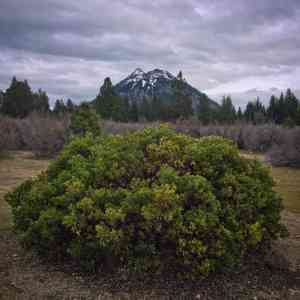
Relocating greenleaf Manzanita flourishes when undertaken as temperatures rise and freezing conditions recede, generally from the close of spring through mid-summer, facilitating robust root development. Opt for sun-exposed areas featuring soil that drains effectively. Under optimal circumstances, greenleaf Manzanita prospers with limited upkeep.
What Preparations are Needed Before Transplanting Greenleaf Manzanita?
What is the Ideal Time for Transplanting Greenleaf Manzanita?
The optimal period to relocate greenleaf Manzanita is as spring blooms fade into the onset of early summer. Moving greenleaf Manzanita during this gentle transition ensures roots can settle before intense heat arrives. Additionally, this timing allows greenleaf Manzanita's root system to become established while moisture levels are favorable, setting the stage for vigorous development. Align greenleaf Manzanita with this natural rhythm, and you'll provide it with ideal growing conditions, promoting vitality and resilience. Remember, an early season move gives greenleaf Manzanita the entire summer to flourish!
How Much Space Should You Leave Between Greenleaf Manzanita Plants?
When planning to rehome your greenleaf Manzanita, aim for a spacing of approximately 4-6 ft (1.2-1.8 m) between plants. This provides each specimen with sufficient room to expand its branches and thrive without competing for essential nutrients.
What is the Best Soil Mix for Greenleaf Manzanita Transplanting?
Your greenleaf Manzanita will flourish in well-drained soil, ideally sandy or loamy, with a slightly acidic pH. Before transplanting, incorporate some organic compost to provide your greenleaf Manzanita with a nutrient-rich beginning. You can also add a slow-release fertilizer formulated for plants that prefer acidic conditions.
Where Should You Relocate Your Greenleaf Manzanita?
Select a sunny location where your greenleaf Manzanita can receive at least 6 hours of direct sunlight daily. Partial shade is acceptable, but full sun encourages the best growth in these beautiful plants. Proper sun exposure ensures your greenleaf Manzanita develops healthily and robustly.
What Equipments Should You Prepare Before Transplantation Greenleaf Manzanita?
Gardening Gloves
To safeguard your hands while handling soil and plants.
Shovel or Spade
For excavating the plant and creating a new planting hole.
Hand Trowel
Useful for smaller digging tasks or precise work in confined spaces.
Watering Can or Hose
To hydrate the plant before and after its relocation.
Wheelbarrow
Helpful for moving the plant and soil efficiently.
Pruning Shears
For trimming any damaged roots or branches prior to planting.
Measuring Tape
To ensure accurate spacing between individual plants.
How Do You Remove Greenleaf Manzanita from the Soil?
How Do You Remove Greenleaf Manzanita from the Soil?
From Ground: First, moisten the greenleaf Manzanita plant to dampen the surrounding soil. This facilitates easier removal and helps minimize root damage. Next, use a shovel or spade to dig a wide trench around the plant, taking care not to cut into the root zone. Gently work the tool underneath to lift the entire root ball from the ground.From Pot: Begin by watering the greenleaf Manzanita to reduce root stress. Turn the pot on its side and gently tap it to loosen the soil. Hold the plant at its base and carefully ease it out, supporting the root ball, and remove any excess soil.From Seedling Tray: Water the seedlings to minimize root disturbance. Gently push from the bottom of the cell to lift the seedling. Handle the seedling by its leaves to prevent damage to the delicate stem.
Step-by-Step Guide for Transplanting Greenleaf Manzanita
Prepare the Plant
Ensure the greenleaf Manzanita has been thoroughly watered several hours prior to transplanting. This helps the soil adhere to the roots and lessens shock.
Dig the Hole
Excavate a hole in the ground that is twice the width of the greenleaf Manzanita's root ball and of the same depth to prevent planting too deeply.
Place the Plant
Carefully position the greenleaf Manzanita in the center of the hole, setting it at the identical depth it was previously growing. Gently spread out its roots.
Backfill the Hole
Refill the hole with the excavated soil, gently patting it down around the base to eliminate air pockets. Ensure the root crown of the greenleaf Manzanita rests just at or slightly above the soil level.
Water Thoroughly
Immediately after planting, water the greenleaf Manzanita deeply to settle the soil around the roots and aid in its recovery from transplant shock.
How Do You Care For Greenleaf Manzanita After Transplanting?
Mulching
Apply a layer of organic mulch around the greenleaf Manzanita, keeping it clear of the trunk to conserve moisture and stabilize soil temperature.
Monitoring Growth
Regularly check on the greenleaf Manzanita to observe its recovery and development. New growth is a strong indicator that the plant has successfully adapted to its new location.
Pruning
Prune any damaged or diseased branches to encourage healthier growth, but avoid extensive pruning immediately after transplanting.
Support Structures
If the greenleaf Manzanita is large, consider using stakes or providing support to keep it upright in its new position until it becomes established.
Troubleshooting Common Issues with Greenleaf Manzanita Transplantation.
Why is my greenleaf Manzanita wilting after transplanting?
Wilting can be a sign of transplant shock. Ensure greenleaf Manzanita is adequately watered and protect it from full sun for a few days post-transplant.
How often should I water greenleaf Manzanita post-transplant?
Water your greenleaf Manzanita thoroughly after transplanting, then maintain consistent moisture until it's established, typically for 1-2 weeks.
What's the best time to transplant greenleaf Manzanita?
Transplant greenleaf Manzanita during late spring to early summer, allowing roots to establish before the colder months arrive.
How far apart should I space my greenleaf Manzanita plants?
Space greenleaf Manzanita plants 4-6 feet (1.2-1.8 meters) apart to ensure proper air circulation and room for growth.
Can greenleaf Manzanita be transplanted in the fall?
It's preferable to transplant greenleaf Manzanita during the recommended period to avoid winter stress before root establishment.
What soil should I use for transplanting greenleaf Manzanita?
Utilize well-draining soil, potentially with added organic matter, to promote healthy root development for your greenleaf Manzanita.
How deep should I plant greenleaf Manzanita's root ball?
Plant the root ball of greenleaf Manzanita at the same depth it was in its previous container, to prevent root suffocation.
What should I do if greenleaf Manzanita leaves turn yellow after transplanting?
Yellow leaves might indicate overwatering or poor drainage. Adjust watering practices and ensure the soil drains effectively.
Should I fertilize greenleaf Manzanita immediately after transplanting?
Avoid immediate fertilization. Wait until greenleaf Manzanita is established, approximately 2-3 months, before applying a mild fertilizer.
My greenleaf Manzanita is not growing post-transplant. What can I do?
Allow greenleaf Manzanita time to acclimate to its new environment. Ensure it receives sufficient water and is free from competing weeds.



