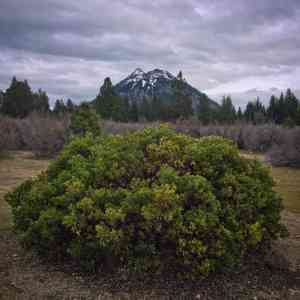
Greenleaf Manzanita (Arctostaphylos patula)
Also known as: Greenleaf manzanita, Green manzanita
Greenleaf Manzanita (Arctostaphylos patula) is an evergreen shrub that thrives in well-drained, sandy or rocky soils. It is commonly found at moderate to high elevations, particularly in coniferous forests of western North America. This drought-resistant plant prefers full sun but does not tolerate salty conditions.
In This Article
Attributes of Greenleaf Manzanita
Lifespan
Perennial
Plant Type
Shrub
Plant Height
91 cm to 2 m
Spread
90 cm to 2 m
Leaf Color
Bright green
Flower Size
0.1 to 0.2 inches (2.5 to 5 millimeters)
Flower Color
Pink
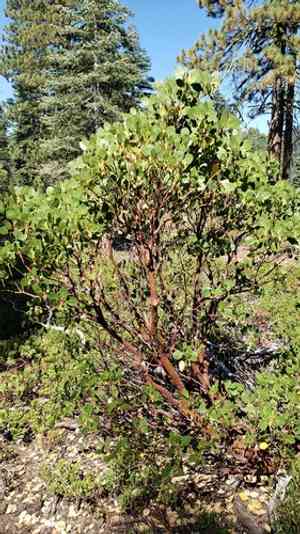
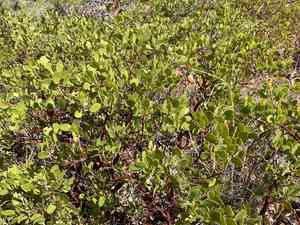
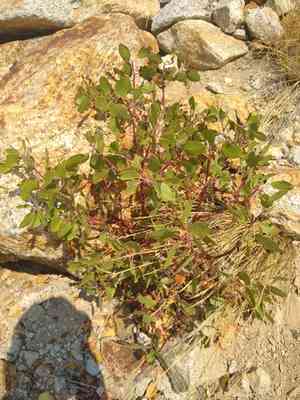
Images of Greenleaf Manzanita
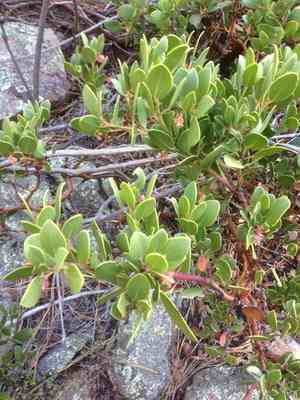
Quickly Identify Greenleaf Manzanita
1
Identify Arctostaphylos patula by its erect, spreading form, smooth reddish-brown bark, and bright green, elliptic to oval leaves. The shrub has small, urn-shaped flowers that are usually white or pinkish in color.
Scientific Classification of Greenleaf Manzanita
Phylum
Vascular plants
Class
Dicotyledons
Order
Ericales
Family
Heath
Genus
Arctostaphylos
Species
Greenleaf Manzanita
Planting and Growing of Greenleaf Manzanita
Care Difficulty
Easy
Watering Schedule
Every 2 days
Sunlight Requirements
Full sun
Sunshine Duration
6-12 hours
Ideal Temperature
50-75℉
Soil Type
Potting Mix, Peat Mix
Soil pH
5.5-7.5
Fertilizer Type
Balanced
Pruning Season
Spring, Summer
Pruning Area
Branches, Leaves
Pruning Frequency
2 times a year
Repotting Season
Spring
Pot Type
Ceramic, Plastic
 How to Water Greenleaf Manzanita?
Arctostaphylos patula, commonly known as greenleaf manzanita, thrives with a careful balance of moisture. You should aim to provide around 500 ml of water per session. This amount ensures the soil is moist but not waterlogged, which aligns with their natural habitat conditions of moderate rainfall and well-drained soil.
What are the symptoms of an underwatered Greenleaf Manzanita?
›
What should I do if my Greenleaf Manzanita is not getting enough water?
›
What are the symptoms of an overwatered Greenleaf Manzanita?
›
How to save an overwatered Greenleaf Manzanita?
›
 What Are the Sunlight Requirements for Greenleaf Manzanita?
Arctostaphylos patula prefers a light range of full to partial sun, benefiting from about 6 to 8 hours of sunlight. Adequate light exposure promotes photosynthetic efficiency, resulting in healthier plants with increased vitality and resistance.
More About Sunlight Requirements Techniques→
What is the best light condition for Arctostaphylos patula?
›
How can I achieve ideal lighting for this plant indoors?
›
What benefits does optimal light offer to Arctostaphylos patula?
›
 What Is the Ideal Temperature Range for Greenleaf Manzanita?
The ideal temperature range for growing Arctostaphylos patula, commonly known as Greenleaf Manzanita, is between 50°F and 75°F. Within this range, the plant can thrive, showcasing its natural growth patterns and producing healthy foliage. The environmental consistency within this temperature bracket allows for optimal metabolic function, promoting growth and resilience against diseases and pests.
 What Soil is Best for Greenleaf Manzanita?
Arctostaphylos patula thrives in well-draining soil, which helps prevent root rot by allowing excess water to quickly escape. This soil requirement ensures that the roots receive adequate oxygen, improving plant health and vigour. This plant prefers soils of low fertility, mimicking its natural mountainous habitats. Low fertility soil minimizes the risk of over-fertilization, which can lead to excessive foliage growth and reduced drought tolerance. Arctostaphylos patula can tolerate a range of pH levels but performs best in slightly acidic to neutral conditions. This helps in nutrient availability and prevents nutrient lockout, leading to lush growth and vibrant foliage.
 How to Fertilize Greenleaf Manzanita?
Arctostaphylos patula requires minimal fertilization. For liquid fertilizer, use a weak solution with a dilution ratio of about 1/2 the recommended strength for general plants. For slow-release fertilizer, use approximately 1 ounce per square foot annually.
 How to Prune Greenleaf Manzanita?
Begin pruning by first assessing the plant's structure. Look for branches that are dead, damaged, or diseased. Remove these branches first to ensure the plant's health and prevent the spread of diseases. Once you have removed unhealthy branches, focus on shaping the plant. Cut back branches that are growing too long or creating an undesirable shape. This encourages the plant to grow more compactly and evenly. Prune the plant to enhance its aesthetic appearance. Cut away branches that crisscross or rub against each other. This also improves air circulation within the plant, reducing the risk of fungal infections.
More About Pruning Techniques→
 How to Propagate Greenleaf Manzanita plant?
1
To propagate by seeds, collect mature seeds and remove any flesh surrounding them. Stratify the seeds by placing them in a damp medium inside the refrigerator for 3-6 weeks to mimic winter conditions. This process breaks seed dormancy and enhances germination rates.
2
Select healthy, disease-free stems and cut them into 4-6 inch segments, ensuring each has several nodes. Dip the cut ends into rooting hormone to stimulate root development. Plant the cuttings into a moistened, well-draining medium and cover them to maintain humidity.
3
Once the seedlings or rooted cuttings develop a robust root system, they can be transplanted into larger pots or directly into the ground. Acclimate them gradually to outdoor conditions to minimize transplant shock.
 How to Repot Greenleaf Manzanita plant?
1
Arctostaphylos patula should be repotted when you notice roots coming out of the drainage holes, or when the plant's growth appears stunted. These are clear signals that your Manzanita is in need of more space to expand and thrive.
2
Select a pot that is 2 to 4 inches larger in diameter than the current one. Ensure it has adequate drainage holes; this will prevent water from accumulating, reducing root rot risk, and providing room for root growth.
3
Opt for a fast-draining acidic soil mix, such as those designed for cacti or succulents. This type of soil provides excellent drainage, which is essential for preventing root rot and supporting the health of your plant.
Toxicity
Ingestion
WARNING
The judgment on toxicity and danger is for reference only. We DO NOT GUARANTEE any accuracy of such judgment. Therefore, you SHALL NOT rely on such judgment. It is IMPORTANT TO SEEK PROFESSIONAL ADVICE in advance when necessary.



