How to Prune Greenleaf Manzanita?
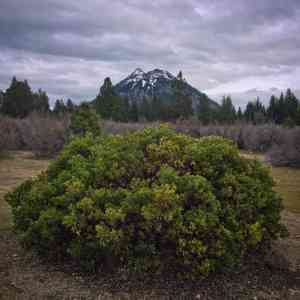
Originating from elevated terrains, greenleaf Manzanita is a resilient shrub recognized for its contorted limbs and persistent greenery. Trim greenleaf Manzanita to preserve its form and eliminate ailing or compromised wood, performing this task directly following its late spring or early summer bloom period to prevent excising the subsequent year's flowers. Reducing older branches can foster fresh development and improve the plant's well-being. During pruning, guarantee precise cuts and refrain from over-trimming, as this might cause distress to the plant.
Advantages of Trimming Greenleaf Manzanita
Advantages of Trimming Greenleaf Manzanita
Trimming greenleaf Manzanita encourages more vigorous flowering and boosts disease resistance, ensuring robust, attractive growth while reducing pest issues.
Optimal Time for Trimming Greenleaf Manzanita
Optimal Time for Trimming Greenleaf Manzanita
The best times for trimming greenleaf Manzanita consider its dormant and active growth phases. Late spring is ideal as frost risk has passed, reducing stress on greenleaf Manzanita. Additionally, late spring trimming aids healing before summer's intense growth. Early summer trimming aligns with greenleaf Manzanita's active growth cycle, promoting strong development and ensuring shaping or size reduction leads to healthier, denser foliage without impacting current year's blooms, as greenleaf Manzanita often flowers in early spring. Avoiding trimming in late fall or winter is crucial, as open wounds are more vulnerable to cold damage, and trimming too early in spring might remove flower buds, diminishing the seasonal display and potential fruit production.
Required Tools for Trimming Greenleaf Manzanita
Hand Pruners
Perfect for cutting small stems and branches, hand pruners offer the precision needed for greenleaf Manzanita's delicate structures without causing undue harm to the plant.
Loppers
For larger branches that hand pruners cannot manage, loppers provide the leverage to cut through greenleaf Manzanita's thicker stems while still being careful not to damage its overall form.
Pruning Saw
When greenleaf Manzanita has developed very thick and woody stems, a pruning saw is essential for making clean cuts without tearing the bark, encouraging healthy regrowth.
How to Trim Greenleaf Manzanita
Clean Tools
Sanitize trimming tools before use to prevent the spread of disease to greenleaf Manzanita.
Diseased Material
Remove any diseased leaves and branches by cutting them back to healthy wood to prevent further infection of greenleaf Manzanita.
Dead Material
Trim dead branches and withered leaves to promote healthy growth by cutting them at the base of greenleaf Manzanita.
Flower Management
Snip off spent flowers to encourage greenleaf Manzanita to direct energy towards vegetative growth and new blooms.
Shape Control
Manage excessive growth by selectively trimming branches that disrupt the natural shape or dense growth pattern of greenleaf Manzanita.
Common Trimming Errors with Greenleaf Manzanita
Over-Trimming
Removing too much growth at once can stress greenleaf Manzanita, leading to poor health or reduced flowering.
Trimming Into Old Wood
Greenleaf Manzanita does not readily sprout from old wood. Cutting into the older, non-green stems often won't produce new growth, resulting in bare sections.
Improper Tools
Using dull or dirty tools can damage the branches of greenleaf Manzanita, making them susceptible to disease.
Neglecting Shape
Greenleaf Manzanita has a naturally picturesque form, and improper trimming without considering its shape can ruin its aesthetic appeal.
Ignoring Dead Material
Failing to remove dead wood can hinder new growth and promote disease. It also detracts from its natural beauty.
Flush Cutting
Cutting branches flush against the main stem can create wounds that are more vulnerable to pests and disease.
Topping
Radically cutting back or 'topping' can result in weak, spindly regrowth and compromise the natural structure of greenleaf Manzanita.
General Trimming Advice for Greenleaf Manzanita
Sharp Tools
Ensure trimming tools are sharp and clean to make precise cuts that heal quickly, minimizing stress on greenleaf Manzanita.
Natural Shape
Trim greenleaf Manzanita to maintain its natural form, which is typically rounded or vase-shaped. Avoid imposing an unnatural shape.
Gradual Trimming
Spread significant trimming over several seasons to prevent shock. Greenleaf Manzanita responds best to gradual shaping.
Selective Trimming
Remove only the necessary branches such as the dead, diseased, or crossing ones to encourage airflow and light penetration.
Trim For Airflow
Thin the interior of greenleaf Manzanita carefully to improve air circulation, which is crucial for preventing disease.
Cutting Technique
Practice angling cuts away from the bud to promote healthier regrowth and to allow water runoff.
Rejuvenation Trimming
For older greenleaf Manzanita plants, consider rejuvenation trimming by removing a few of the oldest stems down to the base.



