The Greenleaf Manzanita Plant Advantage: Maximizing Home and Office Appeal and Wellness
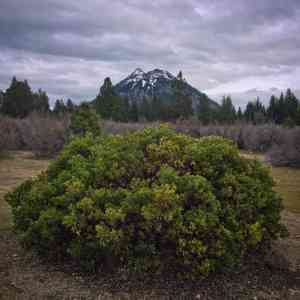
1
Greenleaf Manzanita offers excellent ground coverage and helps prevent soil erosion in natural settings.
2
This plant is remarkably resistant to drought, making it perfect for water-wise landscaping.
3
Greenleaf Manzanita contributes to native ecosystems by offering shelter and sustenance for various animals.
Why Select Greenleaf Manzanita for Your Outdoor Space?
Excellent for Preventing Soil Loss
A key advantage of Greenleaf Manzanita is its capacity to prevent soil erosion. Its extensive root structure helps secure the soil, making it perfect for sloped areas and other locations prone to erosion. By stabilizing the ground, it stops runoff, preserves soil integrity, and helps maintain the beauty of the landscape. This makes Greenleaf Manzanita a valuable addition to any garden, particularly in regions where soil degradation is a major concern.
Resistant to Drought
In areas where water conservation is vital, Greenleaf Manzanita proves to be an outstanding option due to its ability to withstand dry conditions. Its deep root system allows it to access underground moisture, significantly reducing the need for extra watering. This characteristic not only saves water but also lessens garden upkeep efforts. Such qualities make Greenleaf Manzanita especially suitable for xeriscapingâa landscaping approach specifically designed for places experiencing drought or limited fresh water.
How Does Greenleaf Manzanita Benefit Local Wildlife?
Wildlife Sanctuary
Greenleaf Manzanita plays a crucial role in supporting local animal life. Its dense foliage offers refuge for various small creatures and birds, creating a miniature ecosystem within your garden. Furthermore, its blossoms and fruits serve as an important food source for pollinators like bees and butterflies, as well as birds and other wildlife. By planting Greenleaf Manzanita, you contribute to biodiversity and establish a haven for native fauna.
Attracts Pollinators
The blooms of Greenleaf Manzanita are known to draw in a variety of pollinators, which are essential for maintaining healthy ecosystems. Pollinators such as bees and butterflies are attracted to its flowers, helping to ensure the pollination of nearby plants. This not only aids in the reproduction of Greenleaf Manzanita itself but also promotes the overall health and productivity of the surrounding plant life. Encouraging pollinators in your garden can lead to a more vibrant and dynamic ecosystem.
What Are the Garden Applications of Greenleaf Manzanita?
Ground Cover Use
With its low-growing, spreading habit, Greenleaf Manzanita is an excellent choice for ground cover. It forms a thick mat of leaves that can effectively suppress weeds and reduce the need for mulching. This feature makes it particularly useful in large areas where maintaining other types of ground cover might be labor-intensive. Additionally, its evergreen leaves provide year-round visual interest and a lush, green appearance, enhancing your garden's aesthetic appeal.
Visual Appeal
Greenleaf Manzanita is not only practical; it is also aesthetically pleasing. Its shiny green leaves and attractive, urn-shaped flowers add texture and color to any landscape. In autumn, some varieties of Greenleaf Manzanita produce berries that add another layer of beauty with their vibrant hues. These visual attributes make Greenleaf Manzanita a favorite among landscape designers who seek both beauty and utility in their plant selections.
Upkeep and Care for Greenleaf Manzanita
Minimal Maintenance Needs
One of the significant benefits of Greenleaf Manzanita is its low maintenance requirements. Once established, it needs very little care, making it perfect for busy gardeners. Its resistance to pests and diseases further reduces the need for interventions. Regular pruning is generally not required, though occasional trimming may help to maintain its shape and visual appeal. This plantâs hardiness ensures that even beginner gardeners can enjoy its benefits without extensive effort.
Planting and Soil Requirements
Greenleaf Manzanita thrives in well-drained soil and prefers full sun to partial shade. While it can adapt to various soil types, it performs best in slightly acidic conditions. When planting Greenleaf Manzanita, it's crucial to avoid waterlogged areas, as excessive moisture can lead to root rot. Providing a well-drained site and appropriate spacing will help ensure healthy growth and longevity. By following these simple guidelines, you can successfully cultivate Greenleaf Manzanita in your garden.



