How Much Sunlight Do Greenleaf Manzanita Need?
1
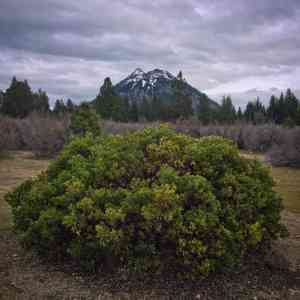
Greenleaf Manzanita flourishes in abundant sunlight, requiring a minimum of 6 hours of direct sun each day.
2
Although Greenleaf Manzanita can endure some shade, it achieves optimal growth when exposed to full sun.
3
Indications of inadequate light include elongated stems and reduced flower production.
Optimal Light Conditions for Greenleaf Manzanita
Why Abundant Sun is Best
For Greenleaf Manzanita, ample sunlight is key for robust growth and prolific blooming. This resilient evergreen shrub thrives in full sun, meaning at least six hours of direct sunlight daily. Full sun encourages strong leaf development and vibrant, healthy flowers. Moreover, sufficient light supports the plant's overall health, boosting its resistance to pests and diseases. Remember this when choosing a garden spot for this sun-loving plant.
Partial Shade Adaptability
While Greenleaf Manzanita performs optimally in full sun, it can also endure partial shade. If a garden area offers only partial sun, perhaps three to four hours of direct light combined with filtered light, the plant will still survive. However, extended periods in overly shaded spots may impede its growth and reduce flower production. Thus, for the healthiest and most attractive plant, aim for maximum sunlight.
Daily Light Requirements
How Many Hours of Direct Light Per Day?
For peak health and vigorous growth, Greenleaf Manzanita needs a minimum of six hours of direct sunlight daily. This means planting it where it won't be overshadowed by larger plants or structures. In regions with very long summer days, this plant can receive up to 10-12 hours of sunlight, which can lead to more abundant blooms and denser foliage.
Seasonal Light Exposure Changes
Seasonal shifts significantly impact the amount of sunlight your Greenleaf Manzanita receives. During summer, longer days provide ample light, but in winter, shorter days can reduce light exposure. If you live in an area with notable seasonal variation, consider these natural light changes when designing your garden. In low-light winter months, ensure the plant's surroundings are free of obstructions that could further diminish its light intake.
Placement and Positioning of Greenleaf Manzanita
Ideal Garden Locations
When selecting a site for your Greenleaf Manzanita, seek garden areas that receive full sun for most of the day. South-facing spots are often perfect as they typically get the most sunlight. Ensure the plant isn't near tall trees or buildings that cast prolonged shadows. A sunny location also helps maintain well-drained soil, which this plant prefers, preventing root rot.
Avoiding Excessive Shading
Placing your Greenleaf Manzanita in overly shaded areas can result in stunted development and less vibrant foliage. If your garden has many shade-producing structures or plants, consider strategically pruning some overgrowth to allow more light to penetrate. While some morning or late afternoon shade is acceptable, prolonged shading can severely hinder the plant's health and progress.
Signs of Incorrect Light Exposure
Indicators of Too Much Light
Although Greenleaf Manzanita thrives in sun, there are signs it might be getting too much. Watch for leaf scorch, appearing as brown, crispy leaf edges. Wilting is another sign, especially if accompanied by dry soil. To remedy this, ensure the plant is well-watered during extremely hot periods, and provide temporary shade if necessary.
Indicators of Insufficient Light
If your Greenleaf Manzanita isn't receiving enough sunlight, it will show symptoms. These include leggy growth, where the plant stretches toward the light source, and a lack of or fewer blooms than usual. Additionally, leaves may appear paler than normal. To fix this, try moving the plant to a sunnier spot in your garden.
Adjusting Light Exposure
Relocating to a Better Spot
If your Greenleaf Manzanita isn't flourishing due to improper light exposure, consider moving it to a more suitable location. Early spring or late autumn are the best times for transplanting, as cooler temperatures are less stressful for the plant. Carefully dig around the root ball and transfer the plant to a pre-dug hole in a sunnier area. Water generously after transplanting to help the plant establish itself in its new home.
Utilizing Shade Cloth or Sun Protection
In harsh climates with particularly intense sun, a shade cloth can offer much-needed protection for your Greenleaf Manzanita. This is especially vital during heatwaves or when the plant is newly transplanted and still adapting. Position the shade cloth to filter the sun during peak hours, typically between 10 AM and 4 PM. This simple measure can help prevent leaf scorch and maintain your plant's health.



