Enhancing Your Garden Design with the Greenleaf Manzanita Plant: A Landscaping Guide
1
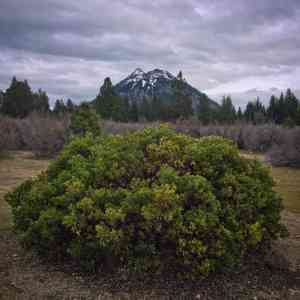
Greenleaf Manzanita provides impressive visual interest through its distinct leaves and growth habits.
2
Adding Greenleaf Manzanita to your outdoor space can benefit native animals and foster environmental equilibrium.
3
Appropriate positioning and upkeep of Greenleaf Manzanita can boost your garden's beauty and environmental contribution.
Introducing Greenleaf Manzanita in Landscape Design
Discover the visual appeal of Greenleaf Manzanita in garden settings.
For enhancing your garden's aesthetic charm, Greenleaf Manzanita is an excellent option. This plant showcases distinctive, vivid green foliage that can introduce color and texture to any landscape plan. Its graceful, arching branches and evergreen nature ensure it remains a highlight throughout the year. Whether used to break up uniform green areas or to add height and structure, Greenleaf Manzanita is a versatile element suitable for various design styles.
Understand the ecological advantages of incorporating Greenleaf Manzanita into your garden.
Beyond its beauty, Greenleaf Manzanita offers numerous ecological benefits. It serves as a vital food source for local wildlife, including birds and small mammals. By planting Greenleaf Manzanita, you contribute to local biodiversity. Furthermore, its deep roots help prevent soil erosion and promote soil health. The plant's natural resistance to pests and diseases also reduces the need for chemicals, making it an eco-friendly landscape choice.
Brief overview of Greenleaf Manzanitaâs adaptability to various landscape aesthetics.
Greenleaf Manzanita is remarkably versatile, making it suitable for diverse landscaping projects. It thrives in various soil types and endures different weather conditions. Whether your garden is formal, modern, rustic, or naturalistic, Greenleaf Manzanita integrates seamlessly. Its adaptability also makes it perfect for both small urban gardens and expansive rural landscapes.
Selecting the Ideal Location for Greenleaf Manzanita
Assessing light and soil needs for optimal development.
To ensure Greenleaf Manzanita flourishes, it's crucial to select a spot that meets its light and soil requirements. It prefers full sun to partial shade and well-draining soil. Before planting, evaluate the sun exposure of different garden areas throughout the day. If your soil is heavy clay or too sandy, consider amending it with organic matter to improve drainage and nutrient availability.
Tips for choosing garden areas that enhance Greenleaf Manzanita's visual impact.
When planning your garden, choose areas that will accentuate Greenleaf Manzanita's beauty. Planting it near paths or garden beds where it can be easily admired is ideal. Consider using it as a backdrop for flowering plants to create contrast with its green leaves. For a dramatic effect, place it against a blank wall or fence where its branches can stand out and create visual interest.
Considerations for space and growth habits of Greenleaf Manzanita.
Greenleaf Manzanita has a moderate growth rate and can spread significantly over time. It's essential to allocate sufficient space for its mature size when planting. Typically, it can grow several feet in height and width, so avoid crowding it with other plants. Ensure it has ample room to spread its branches and develop its natural form without competing for resources.
Design Concepts Featuring Greenleaf Manzanita
Utilizing Greenleaf Manzanita as a central element in garden designs.
Making Greenleaf Manzanita a focal point can elevate your entire landscape design. Its distinctive shape and attractive foliage draw attention and add character. Place it strategically where it naturally catches the eye, such as at the end of a path, in the center of a bed, or next to seating areas. Its unique structure makes it an excellent choice for creating a center of interest in your landscape.
Pairing Greenleaf Manzanita with other plants for a unified appearance.
Achieve a cohesive garden by combining Greenleaf Manzanita with complementary plants. Mix it with perennials, shrubs, and ground covers that share similar light and soil needs. Pairing it with flowering plants can create striking contrast, while using it alongside other evergreens can maintain year-round appeal. Groupings of Greenleaf Manzanita with native plants can also foster a natural and sustainable garden environment.
Innovative ways to incorporate Greenleaf Manzanita in small and large areas.
Greenleaf Manzanita's adaptability makes it suitable for both small and large garden spaces. In compact gardens, use it as a feature plant in containers or small beds. Its architectural form adds height and interest without overwhelming the space. In larger landscapes, it can be used in mass plantings or naturalized areas. Its ability to thrive in diverse settings allows for creative and varied applications, regardless of garden size.
Care Guidelines for Greenleaf Manzanita in Landscaping
Fundamental care practices to ensure Greenleaf Manzanita thrives in your garden.
Maintaining Greenleaf Manzanita is relatively simple with a few key practices. Ensure consistent moisture, especially during establishment. Mulching around the base helps retain soil moisture and suppress weeds. Prune selectively to maintain its shape and remove any dead or damaged branches. Regularly inspect for pests and diseases, though it's generally pest-resistant.
Seasonal care adjustments for Greenleaf Manzanita.
Seasonal care for Greenleaf Manzanita involves a few adjustments depending on the time of year. In spring, provide a balanced fertilizer to encourage new growth. Summer may require more frequent watering, particularly during dry spells. Fall is the ideal time to prune and shape it, preparing it for winter. In winter, ensure it is protected from extreme cold if in a harsh climate.
Addressing common problems encountered with Greenleaf Manzanita in landscaping.
While Greenleaf Manzanita is relatively low-maintenance, it may face common issues such as overwatering, poor drainage, or fungal infections. To mitigate these problems, ensure the soil is well-draining and avoid over-irrigation. Regular monitoring for signs of stress, such as yellowing leaves or poor growth, can help identify and address problems early. If fungal issues arise, using appropriate fungicides and improving air circulation can be beneficial.



