How to Transplant Coast rock cress?
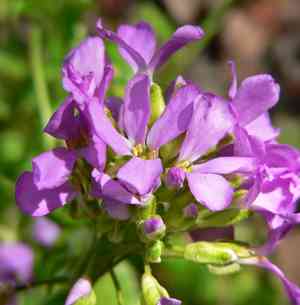
To ensure a thriving transplant, establish coast rock cress during the initial to middle stages of spring's blossoming, which guarantees a vigorous period of development. Select a location bathed in sunlight with soil that drains effectively. Recommendation: careful manipulation safeguards fragile root systems, facilitating an effortless relocation.
Preparations Required Before Relocating Coast Rock Cress
Optimal Timing for Relocating Coast Rock Cress?
The best time for moving coast rock cress is in early to mid-spring. This period provides ideal temperatures for root development without the stress of harsh weather. Shifting coast rock cress during this season maximizes its growth potential, leading to a vibrant bloom. Carefully relocating coast rock cress when the soil is workable yet cool minimizes shock and encourages a healthy root system, making early to mid-spring an excellent choice for a stunning garden display.
Recommended Spacing Between Coast Rock Cress Plants?
When relocating coast rock cress, ensure adequate room. We suggest positioning plants 1-2 feet (0.3-0.6 m) apart. This allows each plant sufficient space to grow and thrive. For beginners, a ruler or measuring tape can assist in achieving correct spacing.
Ideal Soil Mixture for Coast Rock Cress Relocation?
Before moving coast rock cress, prepare the soil to be well-draining and rich in organic material. A good foundational fertilizer, such as compost, can significantly boost initial plant growth. Remember, meticulous soil preparation is crucial for a flourishing garden!
Where to Replant Your Coast Rock Cress?
For coast rock cress, choose a spot that gets full to partial sunlight, as this perennial thrives in sun! This means selecting an area where the plant can receive 6-8 hours of direct sunlight daily. However, be mindful that plants can suffer sunburn, so avoid excessively intense midday sun.
Equipment Needed Before Relocating Coast Rock Cress?
Gardening Gloves
To safeguard your hands while handling soil and coast rock cress.
Trowel
Essential for digging holes for new plants from the seedling tray.
Shovel or Spade
For extracting the coast rock cress from its original ground location.
Watering Can
For moistening the soil both before and after the relocation process.
Pruning Shears
Useful for trimming any damaged or dead foliage, allowing coast rock cress to focus energy on new growth.
Compost or organic matter
This will aid coast rock cress in settling into its new spot by supplying vital nutrients.
Wheelbarrow
Convenient equipment for safely transporting the plant from one place to another.
How to Extract Coast Rock Cress from the Soil?
How to Extract Coast Rock Cress from the Soil?
From Ground: Start by watering your coast rock cress to moisten the surrounding soil. This facilitates easier removal without causing harm. Dig a wide trench around the plant using a spade, ensuring the root ball remains intact. Gradually reduce the circle size until you can safely lift the plant from the ground. From a Pot: Water your coast rock cress to dampen the soil. Turn the pot sideways, gently hold the plant by its stems or leaves, and tap the container's bottom until the plant slides out. Avoid forceful pulling, as this can cause damage. From Seedling Tray: Water the coast rock cress beforehand, then use a trowel to lift it out. Carefully separate the seedlings, taking care not to disturb the roots.
Step-by-Step Guide for Relocating Coast Rock Cress
Preparing the relocation site
Dig a hole twice as wide and the same depth as the coast rock cress's root ball. Add some organic material to the hole to enrich the soil's nutrient content.
Relocation preparation
Remove the coast rock cress from its previous spot using the methods described above, based on its original location.
Relocating
Position your coast rock cress in the new hole, ensuring it's at the same depth it was growing previously. Carefully backfill the hole with soil, gently firming it around the plant's base. Adjust your plant if needed and ensure it stands upright.
Watering
Water the plant thoroughly to help it settle into its new environment.
Post-Relocation Care for Coast Rock Cress
Watering
Ensure proper watering of the coast rock cress immediately after relocation, and continue until it is well-established.
Plant Protection
Shield the coast rock cress from harsh weather conditions like strong winds and frost until it is fully established.
Weeding
Keep the area around your coast rock cress clear of weeds that might compete for nutrients.
Regular inspection
Monitor the coast rock cress for any signs of stress. If you observe yellowing leaves or stunted growth, consult a nursery or extension service for advice.
Addressing Common Issues with Coast Rock Cress Relocation.
What's the best season for relocating coast rock cress?
The optimal time of year for moving coast rock cress is during the S1-S2 period, which offers ideal climate conditions for successful growth.
How can I determine the ideal placement for coast rock cress?
Choose a site with well-draining soil. Maintain a distance of 1-2 feet (30.5-61 cm) between each plant, allowing ample space for healthy development.
What size should the planting hole be for coast rock cress?
The hole should be twice as wide and as deep as the root ball of coast rock cress. This prevents overcrowding and promotes root expansion.
How should I prepare coast rock cress for relocation?
Begin by gently extracting coast rock cress from its current spot. Untangle any constricted roots and remove any dead or decaying material. Hydrate the plant thoroughly before moving.
What is the correct method to plant coast rock cress in its new location?
Place coast rock cress in the hole, ensuring it's no deeper than its previous growing depth. Fill the hole halfway with soil, gently firm it, then water well before completely filling it.
How much watering does coast rock cress need after relocation?
Water coast rock cress deeply immediately after relocation. Afterward, water regularly, keeping the soil consistently moist but not waterlogged. Do not allow the soil to dry out completely.
What's the ideal soil type for relocating coast rock cress?
Coast rock cress prefers well-draining soil, rich in organic matter. If your soil is heavy clay or sandy, amending it with compost will improve its texture and nutrient content.
Should I mulch around coast rock cress after relocation?
Applying a layer of organic mulch around coast rock cress helps retain soil moisture and deter weeds. Mulch should not touch the plant's stem to prevent rot.
Should I fertilize coast rock cress after relocation?
Wait about a month before fertilizing a newly relocated coast rock cress to avoid root burn. Use a balanced, slow-release granular plant food for established plants.
What if coast rock cress appears wilted after relocation?
Initial wilting after relocation is normal as coast rock cress adapts to its new environment. Continue with regular watering, and the plant should recover within a week or so.



