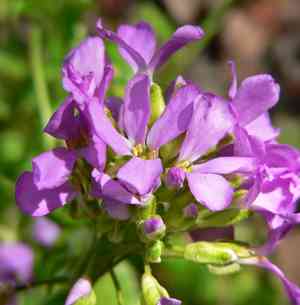
Coast rock cress (Arabis blepharophylla)
Also known as: Rose rockcress, Fringed rockcress
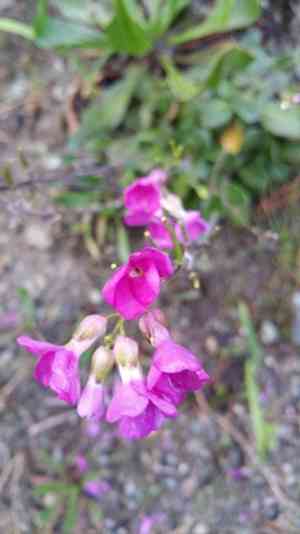
*Arabis blepharophylla*, or coast rockcress, is a perennial herb native to California. This plant blooms with vibrant purple flowers from winter to spring. It plays a crucial role in supporting butterfly populations, serving as a host for species such as the marble gray, spring white, and Pacific orang-tip butterflies.
In This Article
Attributes of Coast rock cress
Lifespan
Perennial
Plant Type
Herb
Plant Height
30 cm
Spread
40 cm
Leaf Color
Green
Flower Size
1.02 cm to 2 cm
Flower Color
Purple Pink
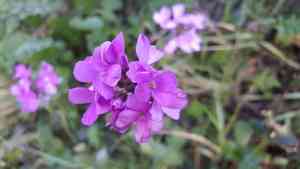
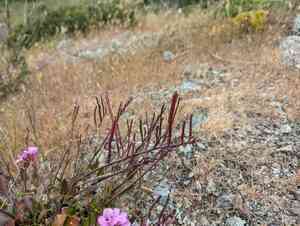
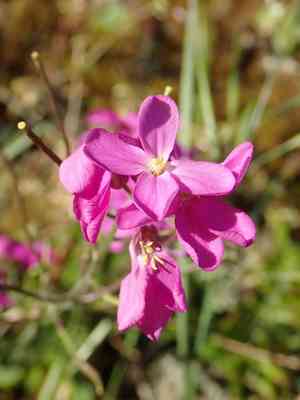
Images of Coast rock cress
Quickly Identify Coast rock cress
1
Arabis blepharophylla can be identified by its lanceolate leaves that have fringed margins and its bright pink to reddish flowers which bloom in spring. It typically forms low-growing mats.
Scientific Classification of Coast rock cress
Phylum
Vascular plants
Class
Dicotyledons
Order
Brassicales
Family
Cruciferae
Genus
Rockcresses
Species
Coast rock cress
Planting and Growing of Coast rock cress
Care Difficulty
Easy
Watering Schedule
Every 4 days
Sunlight Requirements
Full sun
Sunshine Duration
6-8 hours
Ideal Temperature
50-70℉
Soil Type
Potting Mix, Peat Mix
Soil pH
6.5-7.5
Fertilizer Type
Balanced
Pruning Season
Spring, Summer
Pruning Area
Branches, Leaves
Pruning Frequency
2 times a year
Repotting Season
Spring
Pot Type
Plastic, Ceramic
 How to Water Coast rock cress?
Arabis blepharophylla requires a moderate watering approach, with about 250 milliliters per session. Ideally, the soil should be moistened evenly, ensuring it feels damp but not soaked. The goal is to mimic its natural habitat conditions, providing enough moisture for root absorption without causing waterlogging.
What are the symptoms of an underwatered Coast rock cress?
›
What should I do if my Coast rock cress is not getting enough water?
›
What are the symptoms of an overwatered Coast rock cress?
›
How to save an overwatered Coast rock cress?
›
 What Are the Sunlight Requirements for Coast rock cress?
Arabis blepharophylla prefers partial to full sun exposure. Ideal light helps develop rich-colored foliage and support healthy flowering, enhancing the plant's ornamental value.
More About Sunlight Requirements Techniques→
What are the optimal sun conditions for Arabis blepharophylla?
›
How can you ensure Arabis blepharophylla gets these lighting conditions?
›
What benefits does ideal lighting bring to Arabis blepharophylla?
›
 What Is the Ideal Temperature Range for Coast rock cress?
Arabis blepharophylla thrives best in a consistent temperature range between 50°F and 70°F. This range allows for optimal metabolic activities, encouraging lush foliage and vibrant blooms which are typical characteristics of a healthy plant. Maintaining this temperature ensures that Arabis blepharophylla achieves its full decorative potential.
 What Soil is Best for Coast rock cress?
Arabis blepharophylla thrives in well-drained soil. This is crucial to prevent root rot, a common issue when water doesn't drain properly, suffocating the roots. Well-drained loamy soil ensures roots get the moisture they need without waterlogging. This plant benefits from nutrient-rich soil, which supports vigorous growth and flowering. Providing a base of nutritious soil enhances the plant's overall health and its ability to resist pests and diseases. Arabis blepharophylla prefers soil that retains some moisture but doesn't stay consistently wet. This balance helps the plant absorb the necessary nutrients while preventing the stress of excess water.
 How to Fertilize Coast rock cress?
For Arabis blepharophylla, it is recommended to apply liquid fertilizers at half the strength as recommended for flowering plants. Use approximately 10ml of fertilizer per liter of water. Solid fertilizers should be applied sparingly, about 20 grams per square meter.
 How to Prune Coast rock cress?
Start by removing any dead or diseased stems to promote healthier growth. Trim back about a third of the plant to maintain its shape and encourage bushiness. Always cut just above a leaf node to support the development of fuller foliage. Ideal times for pruning Arabis blepharophylla are early Spring and late Summer. This timing helps in setting the plant up for a robust growing season and ensures it retains its aesthetic in the cooler months.
More About Pruning Techniques→
 How to Propagate Coast rock cress plant?
1
Use a well-draining potting mix to fill your seed trays or pots. Ensuring good drainage is crucial to prevent root rot and assist in healthy seedling development.
2
For seed propagation, scatter seeds over the soil surface and cover with a thin layer of soil. For cuttings, cut a healthy stem just below a node and strip the lower leaves.
3
Water gently to moisten the soil without washing away seeds or dislodging cuttings. Keep the soil consistently moist but not waterlogged throughout the germination or root formation period.
 How to Repot Coast rock cress plant?
1
Arabis blepharophylla should be repotted when you notice the roots growing out of the drainage holes or if the plant becomes top-heavy and water drains too quickly. It's a clear sign the plant has outgrown its pot. The best time to repot is during its growing seasons in spring or autumn when the plant can easily recover from stress.
2
Select a pot that is one size larger than the current one, ensuring it has good drainage holes. This prevents waterlogging, which can cause root rot. A medium-height pot works best for aesthetically balancing the plant's cascading foliage and allowing room for root expansion.
3
An ideal soil mix should be well-draining and sandy, rich in organic matter to support growth. This composition prevents water retention and facilitates nutrient absorption. The mix should mimic their natural rocky and well-drained habitats, promoting optimal growth and health.
Learn More About Coast rock cress Diseases
Bacterial Leaf Spot
Bacterial Soft Rot
Clubroot
Crown Gall
Cyst Nematode
Damping-off
Downy Mildew
Drought Stress
Fusarium Wilt
Gray Mold
Leaf Spot
Mosaic
Nutrient Deficiency
Nutrient Toxicity
Powdery Mildew
Root Rot
Root-knot Nematode
Rusts
Sooty Mold
Spider Mites
Temperature Stress
Thrips Damage
White Mold
Chemical Injury



