Enhancing Your Garden Design with the Coast rock cress Plant: A Landscaping Guide
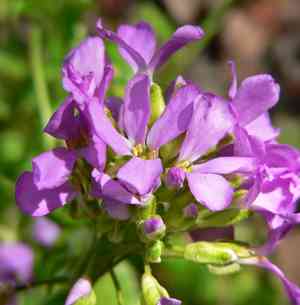
1
Coast rock cress requires minimal care, ideal for those with limited time.
2
The vivid hues of Coast rock cress bring seasonal appeal to any outdoor space.
3
Coast rock cress is very versatile and suits diverse garden designs.
Introducing Coast Rock Cress in Landscape Design
Aesthetic Qualities of Coast Rock Cress
In the realm of landscaping, few plants rival the elegance and charm that Coast rock cress contributes to a garden. With its vibrant colors and appealing foliage, Coast rock cress captures attention and stands out as a prominent feature. Its visual appeal stems from its bright, clustered blossoms and abundant greenery, forming a striking contrast that elevates the overall beauty of your landscape. Its compact size and pleasing shape make it perfect for both small garden plots and expansive areas, offering unmatched adaptability.
Distinctive Features of Coast Rock Cress in Garden Shaping
Coast rock cress possesses several unique characteristics that contribute to its widespread appeal among gardeners. Its low-growing habit makes it ideal for ground cover, allowing it to fill empty spaces and soften the edges of garden beds. The plant's small, dense leaves are not only visually appealing but also aid in suppressing weed growth by providing effective ground coverage. Furthermore, Coast rock cress's ability to flourish in rocky or sandy soils makes it an excellent option for rock gardens or coastal environments, where other plants might struggle.
Why Select Coast Rock Cress for Your Garden?
Low Maintenance and Durability of Coast Rock Cress
A primary reason to consider Coast rock cress for your landscaping needs is its minimal maintenance requirements. Unlike more delicate plants, Coast rock cress is robust and resilient, needing little attention once established. It can withstand various conditions, from full sun to partial shade, and demands less frequent watering compared to other ornamental plants. This hardiness makes Coast rock cress an excellent choice for gardeners seeking to reduce their workload while still enjoying a lush, vibrant garden.
Seasonal Appeal Provided by Coast Rock Cress
Coast rock cress offers year-round visual interest, ensuring your garden remains attractive regardless of the season. In spring, the plant bursts into bloom with a profusion of small, brightly colored flowers that can range from deep pink to purple. These blossoms not only brighten your garden but also attract pollinators like bees and butterflies, adding an element of wildlife engagement. Even after the flowering period, the plant's evergreen foliage continues to provide a lush, green backdrop, maintaining the garden's allure through the winter months.
Adaptability of Coast Rock Cress to Various Landscape Styles
Another compelling reason to incorporate Coast rock cress into your garden is its versatility across different landscape styles. Whether you're aiming for a traditional English garden, a modern minimalist design, or even a naturalistic setting, Coast rock cress seamlessly integrates into the aesthetic. Its subtle yet striking appearance means it can complement more dramatic plants or serve as a focal point in simpler designs. Additionally, Coast rock cress's ability to grow in diverse soil types and conditions makes it a flexible choice for gardeners with varied landscaping needs.
Integrating Coast Rock Cress into Your Landscape Design
Design Considerations for Using Coast Rock Cress
Before planting Coast rock cress, it's crucial to consider your garden's design elements. Think about the plant's size and growth habit and ensure it aligns with your garden's overall layout. For instance, Coast rock cress works well at the front of border plantings or as an edge along pathways. Additionally, consider the plant's requirements for sunlight and soil. Placing Coast rock cress in locations where it can receive adequate light and proper drainage will ensure it thrives and enhances your garden's charm.
Pairing Coast Rock Cress with Other Plants for a Unified Look
To create a harmonious and cohesive garden design, it's essential to pair Coast rock cress with complementary plants. For example, combining Coast rock cress with taller perennials can create an attractive layered effect, adding depth and visual interest to your garden. Additionally, choosing plants with contrasting foliage or flower colors can make Coast rock cress stand out even more. Consider pairing it with silver-leaved plants or those with blue or white flowers to create a visually striking display that highlights Coast rock cress's unique qualities.
Popular Garden Designs Featuring Coast Rock Cress
Gallery of Garden Styles Showcasing Coast Rock Cress
Exploring garden styles that feature Coast rock cress can offer inspiration for your own landscape design. From traditional cottage gardens to contemporary rock gardens, Coast rock cress can be a versatile addition. In cottage gardens, its bright flowers add a touch of whimsy, while in rock gardens, its drought tolerance and compact form are highly valued. By viewing various garden styles that incorporate Coast rock cress, you can gather ideas for how to best use this plant in your own space, ensuring your design is both beautiful and unique.
Ideas for Thematic Gardens Utilizing Coast Rock Cress
Thematic gardens provide a unique opportunity to display Coast rock cress in imaginative ways. For instance, in a coastal-themed garden, Coast rock cress can be paired with other salt-tolerant plants like sea thrift and beach lilac to evoke a seaside atmosphere. For a wildlife-friendly garden, consider incorporating Coast rock cress alongside butterfly bushes and other pollinator-friendly plants to create a sanctuary for local fauna. By thinking creatively about thematic designs, you can highlight Coast rock cress's versatility and enhance your garden's overall aesthetic.
Maintaining Aesthetics: Tips for Growing Coast Rock Cress
Practical Growth and Care Advice
To ensure Coast rock cress flourishes in your garden, follow these practical growth and care tips. Plant Coast rock cress in well-draining soil, as it does not tolerate waterlogged conditions. Water moderately, allowing the soil to dry out between watering sessions. Fertilize sparingly, as excessive nutrients can diminish the plant's natural resilience. By providing the right conditions, you can enjoy a healthy and vibrant display from your Coast rock cress throughout the growing season.
Seasonal Care Cycles and Essential Upkeep
Maintaining Coast rock cress's aesthetic appeal involves some seasonal care and upkeep. In the spring, prune back any dead or damaged foliage to encourage new growth. During the flowering season, deadhead spent blooms to promote continuous flowering and maintain the plant's tidy appearance. As winter approaches, apply a light mulch to protect the roots from extreme cold. By following these seasonal care practices, you can keep your Coast rock cress looking its best year-round, ensuring it continues to enhance your landscape design.



