How Much Sunlight Do Coast rock cress Need?
1
Coast rock cress flourishes with a minimum of 6 hours of direct sun each day.
2
It can endure some shade, particularly in warmer regions.
3
Look out for indications of sun damage like scorched or discolored leaves.
Optimal Light Conditions for Coast rock cress
Abundant Sunshine
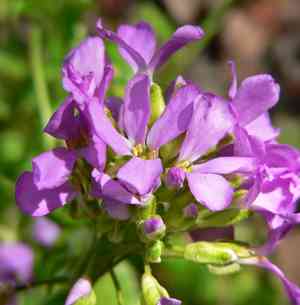
For peak development, Coast rock cress ideally needs ample sunshine. This means the plant should be exposed to direct sunlight for a minimum of 6 hours daily. Full sun promotes robust growth and vivid blooms, enlivening your garden with its pink to purple flowers. Remember, more sunlight can significantly enhance the overall health of your Coast rock cress.
Partial Shade Tolerance
While Coast rock cress thrives in full sun, it can also endure partial shade. This is especially beneficial in regions with intense sun. Providing some afternoon shade helps prevent the plant from overheating and maintains its fresh, healthy appearance. Partial shade implies the plant receives less than 6 but at least 3-4 hours of direct or dappled sunlight throughout the day.
Selecting the Best Location for Your Coast rock cress
Outdoor Siting
When planting Coast rock cress outdoors, choose a spot that gets plenty of natural light. Ideal spots include south or west-facing areas where the plant can soak up the sun. Ensure the soil drains well to prevent waterlogging, which can harm the roots. If you live in an area with strong afternoon sun, consider a location that offers natural shade during the hottest part of the day to avoid leaf scorching.
Indoor Placement
For indoor cultivation, position Coast rock cress near a bright, sunny window. A south or west-facing window is perfect. If natural light is limited, supplement with grow lights to ensure the plant receives sufficient light for photosynthesis. Remember to periodically rotate the plant to ensure uniform growth and prevent it from leaning towards the light source.
Indicators of Excessive Sun Exposure for Your Coast rock cress
Foliage Burn
A clear sign that your Coast rock cress is getting too much sunlight is the burning of its leaves. This appears as brown, crispy edges or scorched spots on the foliage. While Coast rock cress can handle full sun, extreme heat and direct exposure during peak afternoon hours can cause damage. Ensure there's a cool-down period with some shade if you observe such symptoms.
Color Fading
Overexposure to sunlight can lead to leaf discoloration. Instead of a vibrant green, the leaves may turn yellow or pale. This indicates the plant is stressed and potentially dehydrated. Reducing the intensity of sunlight or providing intermittent shade can help restore its rich color.
Indicators Your Coast rock cress Lacks Sufficient Sun
Stretched Growth
Inadequate sunlight can cause leggy growth in Coast rock cress. The plant elongates towards any available light source, resulting in long, weak stems and sparse foliage. Regularly checking for such growth patterns can prompt you to reposition the plant for better light access.
Reduced Blooming
Another sign of insufficient sunlight is poor flowering. Coast rock cress blooms are a delight, but without enough sun, the plant may produce fewer flowers, or the blooming period may be shorter. Ensuring at least 6 hours of direct sunlight can enhance blooming and maintain plant vitality.
Strategies for Adjusting Light Exposure for Coast rock cress
Utilizing Shades and Screens
If you reside in an area with intense sunlight, consider using shades or screens to protect your Coast rock cress. Shade cloth can filter out some harsh rays while allowing enough light for growth. This helps prevent leaf burn and keeps the plant in prime condition.
Plant Rotation
For indoor growers, rotating the plant regularly ensures even light exposure and helps prevent uneven growth. Rotate the pot by a quarter turn every week to promote balanced growth on all sides. This simple practice ensures your Coast rock cress receives adequate light from every angle.



