How to Propagate Coast rock cress?
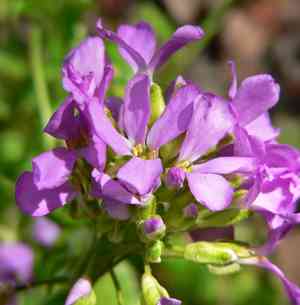
The most effective method for propagating Coast rock cress is via cuttings. Select robust, non-blooming stems to encourage superior root formation. Cuttings ought to measure several inches and have their lower leaves removed to reveal the nodes, as these are the sites where roots will emerge. Insert the cuttings into a potting blend that drains efficiently, then water lightly to ensure dampness. Maintain steady, yet moderate, humidity and partial shade until roots establish, while also guaranteeing ample air movement to deter decay.
Optimal Time for Coast Rock Cress Propagation
Propagation Method
Cutting
Propagation Period
Spring,Summer
Tools for Coast Rock Cress Propagation
Pruning Shears
These are crucial for making clean cuts on stem sections for propagation. For coast rock cress, sharp, sterilized shears help ensure smooth cuts, preventing damage and lowering disease risk. This tool aids in precise selection and detachment of healthy growth needed for successful cutting propagation.
Rooting Hormone
This product is used to boost root development in new coast rock cress cuttings. Applying rooting hormone to the cut stem end significantly increases the likelihood of successful root initiation and growth, vital for the delicate early stages of establishing a new plant.
Propagation Trays
These trays are used for organizing and nurturing cuttings until they develop roots. For coast rock cress, small to medium-sized trays filled with a suitable rooting medium can maintain necessary moisture and warmth, aiding in healthy root development.
Sterile Potting Mix
A well-draining, sterile potting mix is recommended to promote better root health and minimize the risk of soilborne diseases for coast rock cress cuttings. This specialized medium provides the optimal balance of moisture retention and aeration essential for new roots to flourish.
Heating Mats
These mats provide a consistent heat source beneath propagation trays and are especially beneficial for coast rock cress, encouraging faster root growth during cooler months or in colder climates. Controlled heating can significantly improve rooting success rates.
Plastic Dome or Cover
Plastic domes or covers are used to create a humid microenvironment around newly planted coast rock cress cuttings, which helps prevent moisture loss and maintains high humidity essential for encouraging root and shoot development in early stages.
How to Propagate Coast Rock Cress?
Propagation Type
Easy
Caring for Newly Propagated Coast Rock Cress
Caring for Newly Propagated Coast Rock Cress
After planting coast rock cress cuttings, keep the soil consistently moist but not waterlogged. Place the pot in a location with bright, indirect light. Avoid direct sunlight, which can be too intense and cause wilting. As plants establish, gradually introduce them to more sunlight. Once roots form and new growth appears, standard care for coast rock cress includes regular watering, allowing the soil to dry slightly between waterings, and feeding with a balanced fertilizer every few months to support growth and flowering.
Common Propagation Mistakes for Coast Rock Cress
Overwatering
Excessive watering can lead to root rot and fungal diseases, compromising coast rock cress's health and reducing successful propagation chances.
Deep planting
Planting cuttings or seeds too deeply can suffocate coast rock cress and hinder proper root development, impeding plant establishment and growth.
Neglecting cleanliness
Using uncleaned containers or tools can introduce pathogens to coast rock cress, causing infections that may severely affect propagation efforts.
Overcrowding
Placing too many seeds or cuttings close together can lead to competition for resources and increased risk of disease spread among coast rock cress specimens.
Ignoring soil composition
Utilizing an inappropriate soil mix can impede coast rock cress's root development and water drainage, leading to poor propagation results.
Tips For Propagating Coast Rock Cress
Moderate watering
Provide coast rock cress with consistent but moderate watering to maintain moist soil without waterlogging, ensuring the ideal balance for root growth.
Appropriate depth
Plant coast rock cress's seeds or position its cuttings at the correct depth to optimize access to light and air, facilitating successful rooting and growth.
Sanitized equipment
Always use clean tools and containers when propagating coast rock cress to prevent the transfer of diseases and ensure a healthier growing environment.
Adequate spacing
Give each coast rock cress specimen enough space to thrive by spacing seeds or cuttings properly, reducing resource competition and disease transmission.
Proper soil mix
Choose a well-draining soil mix rich in organic matter to support coast rock cress's root system and overall health during the propagation process.



