How to Prune Coast rock cress?
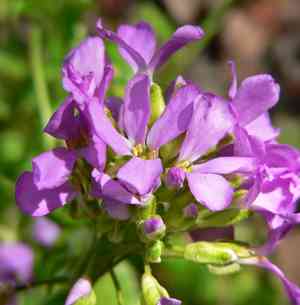
A perennial plant recognized for its vibrant pink blossoms, coast rock cress flourishes with little upkeep. Trimming should primarily involve removing faded flowers to stimulate additional blooming and eliminating any deceased or injured leaves to preserve the plant's well-being. Trimming can occur throughout the year, but the most opportune period is late winter or early spring prior to the emergence of new shoots. Consistent trimming benefits coast rock cress by fostering more compact development, and it can also aid in averting ailments by enhancing air movement among the leaves.
What Are the Benefits of Pruning Coast Rock Cress?
What Are the Benefits of Pruning Coast Rock Cress?
Trimming coast rock cress promotes more vibrant blossoms, stimulates robust development, and maintains the plant's form. Regularly removing faded flowers and shaping coast rock cress ensures its visual appeal and plant vigor.
What Is the Best Time for Pruning Coast Rock Cress?
What Is the Best Time for Pruning Coast Rock Cress?
Pruning coast rock cress in late winter to early spring, just before new growth begins, allows the plant to recover quickly without harming new shoots. It also helps maintain the plant's shape and vitality, and enables the gardener to remove any dead or diseased foliage accumulated over winter. Pruning after flowering allows the plant to focus energy on growth and seed production for the next season.
What Tools Do I Need to Prune Coast Rock Cress?
Hand pruners
Perfect for snipping slender stems and deadheading faded flowers to encourage fresh growth in coast rock cress. Hand pruners offer precision, which is crucial for the delicate structure of coast rock cress.
Pruning shears
Optimal for shaping and maintaining the dense foliage of coast rock cress. Pruning shears allow for clean cuts without damaging the plant's structure.
Gloves
Not strictly a tool but vital for protecting your hands from sharp edges and potential skin irritants when pruning coast rock cress.
Pruning saw
While not typically necessary for coast rock cress, a small pruning saw may be used to remove any dead wood that is too thick for hand pruners or shears.
How to Prune Coast Rock Cress
Clean Tools
Before starting, ensure all pruning tools are sanitized to prevent the spread of disease to coast rock cress. Wipe blades with a solution of 1 part bleach to 9 parts water.
Remove Diseased Parts
Carefully remove any diseased leaves and branches from coast rock cress, cutting back to healthy tissue. Dispose of them properly to avoid contaminating the compost or spreading pathogens.
Prune Dead Material
Trim off dead branches and withered leaves from coast rock cress. Make sure to cut at a slight angle just above a leaf node or bud to encourage healthy new growth.
Deadhead Flowers
Deadhead spent or withered flowers to promote further blooming and improve the overall appearance of coast rock cress. Snip the stem of the withered flower just above the first set of full, healthy leaves.
Shape Plant
Assess the overall shape of coast rock cress after removing any unhealthy or dead parts. Trim back any excess growth to maintain the desired shape and size of the plant, but avoid heavy pruning to prevent stress.
Common Pruning Mistakes with Coast Rock Cress
Overpruning
Cutting too much growth can stress coast rock cress, hindering its ability to flourish. Remember that taking off too much at once can be detrimental to the plant's health.
Underpruning
Failing to remove enough old or dead foliage can lead to a cluttered and unhealthy plant. This neglect can result in poor air circulation and decrease the overall vitality of coast rock cress.
Improper Cut Location
Pruning too far from a bud or node or too close can either stimulate unnecessary growth or harm the bud. Precision in cut location ensures healthy new growth.
Using Dull Tools
Dull pruning tools can cause jagged cuts that harm coast rock cress and make it more susceptible to diseases. Sharp, clean cuts are essential for the plant's well-being.
Neglecting Sanitation
Not cleaning pruning tools between uses can spread diseases and pests to coast rock cress, which can harm the plant and potentially others in the garden.
Common Pruning Tips for Coast Rock Cress
Selective Pruning
Remove only the spent flowers and dead or unhealthy foliage to encourage coast rock cress to produce new blooms. Maintain the natural shape of the plant for an aesthetically pleasing appearance.
Cut Angle
Cut at a 45-degree angle above a bud facing the outside of the plant, promoting outward growth and improving air circulation within coast rock cress.
Tool Preparation
Use sharp, clean shears or snips for pruning coast rock cress, ensuring a clean cut that promotes quicker healing and reduces the risk of disease.
Aftercare
After pruning coast rock cress, provide adequate water and a balanced fertilizer to support the plant through its recovery and new growth phase.
Healthy Growth Promotion
Focus on thinning rather than shearing coast rock cress to promote stronger and healthier growth. Thinning allows light and air to penetrate the foliage, reducing the risk of fungal infections.



