How to Transplant Field pussytoes?
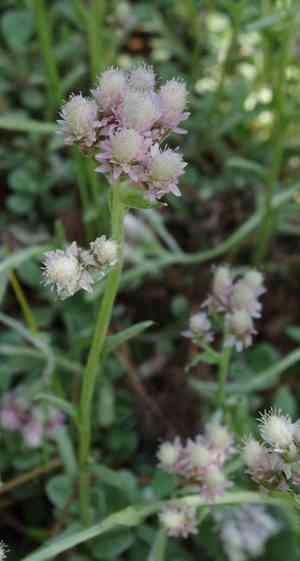
The most favorable periods for relocating field pussytoes are either just before the onset of spring's warmth or as spring's gentle influence begins. Choose a location that receives full sun to partial shade and features soil that drains effectively. Careful manipulation assists in root integration, facilitating a seamless adjustment.
What Preparations are Needed Before Transplanting Field Pussytoes?
What is the Ideal Time for Transplanting Field Pussytoes?
The optimal period for relocating field pussytoes is during the onset of early to mid-spring, as nature revives. This timing ensures the ground is manageable and roots establish effectively before the summer heat arrives. Moving field pussytoes within this window of renewal allows the plant to develop a strong root system and benefit from the entire growing season, promoting a display of its charming beauty. Engaging with field pussytoes during this phase of mild temperatures and damp soils not only lessens transplant shock but also promises vigorous growth and delightful ground cover in your garden haven.
How Much Space Should You Leave Between Field Pussytoes Plants?
Your field pussytoes will appreciate ample room to expand! Position them approximately 1-2 feet (30-60 cm) apart. This should provide each plant sufficient area to grow and thrive without competing with its neighbors.
What is the Best Soil Mix for Field Pussytoes Transplanting?
Regarding soil preparation, field pussytoes isn't overly particular. It prefers sandy or loamy soil that drains efficiently. Before planting, enrich the soil with a slow-release, all-purpose foundational fertilizer to give your plant a strong start.
Where Should You Relocate Your Field Pussytoes?
Just as we enjoy basking in some afternoon sun, so does your field pussytoes. Plant them in an area that receives full to partial sunlight. This will offer the perfect balance of brightness without causing your plant to overheat.
What Equipments Should You Prepare Before Transplantation Field Pussytoes?
Gardening Gloves
To keep your hands protected and clean while handling soil and plants.
Shovel or Spade
To carefully excavate the plant from its original spot without harming its roots.
Gardening Trowel
To dig smaller holes or adjust soil around the plant in its new location.
Watering Can
To hydrate the plant before and after the transplanting process.
Garden Fork
To aerate the soil in the new site and aid root penetration.
Gardening Pruners
For trimming any dead or damaged leaves and stems during the transplantation procedure.
Wheelbarrow
For transporting the plant and any necessary soil or compost.
How Do You Remove Field Pussytoes from the Soil?
How Do You Remove Field Pussytoes from the Soil?
From Ground: Initially, water the field pussytoes plant sufficiently, making the soil damp but not excessively wet. Carefully dig a wide circle with a diameter of at least 12 inches around the plant using a spade, ensuring not to harm the root system. Gradually dig deeper until you can gently lift the plant with its root ball intact.From Pot: Watering the field pussytoes plant will facilitate extraction. Invert the pot and tap the rim on a firm surface—like the edge of a table—while supporting the plant at its base. The plant, with its roots and soil, should slide out. Handle the root ball with care to avoid damaging roots.From Seedling Tray: Water the tray and gently tilt it, pressing the bottom of each cell while supporting the plant's stem between two fingers. The seedling should emerge with the medium and roots undisturbed.
Step-by-Step Guide for Transplanting Field Pussytoes
Preparation
Clear the transplant area of any weeds or debris, and gently loosen the soil with a fork.
Hole Size
Dig a hole that is wider and deeper than the field pussytoes plant's root ball. The plant should be at the same soil level as it was in its previous spot.
Placement
Hold the field pussytoes plant in the hole, at the correct level, ensuring it is upright.
Backfilling
Firmly but gently refill the hole with soil, making sure there are no air pockets that could dry out the roots.
Watering
Immediately after planting the field pussytoes, water it thoroughly. This helps settle the soil around the plant's roots.
How Do You Care For Field Pussytoes After Transplanting?
Pruning
Once the field pussytoes is transplanted, remove all dead or damaged leaves with a pair of gardening pruners. This helps the plant focus its energy on forming strong roots in its new location.
Watering
Water regularly according to the plant's needs. The soil should be kept consistently moist for a few weeks until the plant is established.
Monitoring
In the initial days, watch for any signs of transplant stress, such as wilting or yellowing. In such cases, provide extra care to nurse the plant back to health.
Protecting
Shield the newly transplanted field pussytoes from excessive heat and cold temperatures, strong winds, and pests.
Troubleshooting Common Issues with Field Pussytoes Transplantation.
When is the best time to transplant field pussytoes?
The optimal period to transplant field pussytoes is during S1-S2, ensuring a successful growth cycle.
How much space does field pussytoes need after transplantation?
Field pussytoes requires a spacing of 1-2 feet (30-60 cm) between each plant post-transplantation to thrive.
Can I transplant field pussytoes in a pot?
Yes, you can. Choose a pot that's large enough (10 inches or 25 cm in diameter) to allow field pussytoes to grow.
How do I prepare the soil for transplanting field pussytoes?
Enriching the soil with organic compost boosts its fertility and moisture retention, which field pussytoes appreciates.
Is it necessary to water field pussytoes right after transplanting?
Absolutely, it's important to water field pussytoes right after transplanting. This will help roots settle and reduce transplant shock.
What kind of sunlight does field pussytoes need after being transplanted?
Field pussytoes thrives best in full sun to partial shade. Too much shade can hinder its growth.
What happens if I transplant field pussytoes outside the recommended S1-S2 period?
Transplanting outside the S1-S2 period may cause field pussytoes stress, resulting in poor growth or failure to thrive.
How deep should I plant field pussytoes during transplantation?
The planting hole should be twice the size of the root ball, ensuring adequate space for growth.
What do I do if field pussytoes shows signs of distress after transplantation?
Monitor it closely, ensure it's getting enough water and sunlight. Consult with a nursery professional if signs persist.
Can field pussytoes be transplanted close to other plants?
While field pussytoes is non-invasive, maintaining 1-2 feet (30-60 cm) spacing is crucial to allow room for growth.



