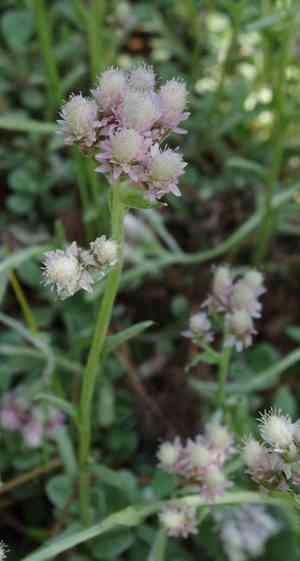
Field pussytoes (Antennaria neglecta)
Also known as: Field pussytoes, small-leaf pussytoes
Native field pussytoes (Antennaria neglecta) thrive throughout Canada and the United States. These plants are important for pollinators such as bees and flies. They also serve as a food source for the caterpillars of American Lady butterflies. Additionally, small birds like Ruffed Grouse and Bobwhite Quail may benefit from these plants by feeding on their seeds or using them for cover.
In This Article
Attributes of Field pussytoes
Lifespan
Perennial
Plant Type
Herb
Plant Height
0 mm to 30 cm
Spread
8 cm
Leaf Color
Green Gray Red Bronze
Flower Size
2.5 cm
Flower Color
White Green Red Brown
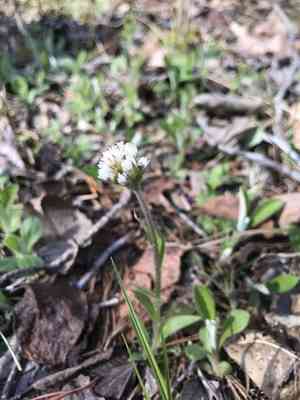
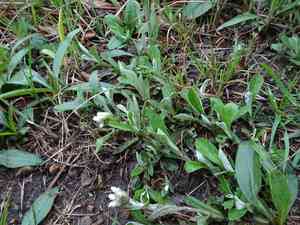
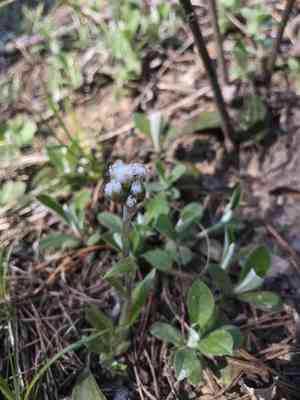
Images of Field pussytoes
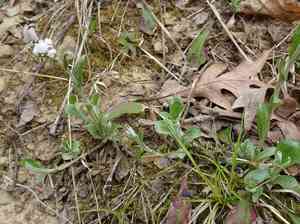
Quickly Identify Field pussytoes
1
Soft, wooly hairs cover basal leaves, forming a mat-like rosette for ground cover.
2
Flowers in clusters, small, unscented, and dense, crucial for identification due to clustered arrangement.
3
Seed-like achenes with tufts of white hair aid in wind distribution, resembling miniature dandelion heads.
4
Basal leaves with single prominent vein on upper surface, lower surface white and pubescent.
5
Slender, slightly hairy stem reaching 8-12 inches, with erect growth habit culminating in terminal flower clusters.
Scientific Classification of Field pussytoes
Phylum
Vascular plants
Class
Dicotyledons
Order
Asterales
Family
Daisy
Genus
Everlasting
Species
Field pussytoes
Planting and Growing of Field pussytoes
Care Difficulty
Easy
Watering Schedule
Every 2 days
Sunlight Requirements
Full sun
Sunshine Duration
4-8 hours
Ideal Temperature
60-75℉
Soil Type
Potting Mix, Peat Mix
Soil pH
6-7.5
Fertilizer Type
Balanced
Pruning Season
Spring, Summer
Pruning Area
Branches, Leaves
Pruning Frequency
2 times a year
Repotting Season
Spring
Pot Type
Plastic, Ceramic
 How to Water Field pussytoes?
Antennaria neglecta prefers a sparing water application. Ensure the soil gets thoroughly wet without being drenched, giving it around 150 milliliters per session. Follow the principle of allowing the soil to dry out between waterings to maintain optimal moisture levels.
What are the symptoms of an underwatered Field pussytoes?
›
What should I do if my Field pussytoes is not getting enough water?
›
What are the symptoms of an overwatered Field pussytoes?
›
How to save an overwatered Field pussytoes?
›
 What Are the Sunlight Requirements for Field pussytoes?
Ideally, Antennaria neglecta thrives in full sun to partial sun, where consistent exposure to light ensures optimal growth and vibrant blooms. Proper lighting promotes healthy foliage density and color.
More About Sunlight Requirements Techniques→
What is the optimal light condition for Antennaria neglecta?
›
How can I achieve the ideal light conditions for Antennaria neglecta?
›
What benefits does Antennaria neglecta receive from ideal lighting?
›
 What Is the Ideal Temperature Range for Field pussytoes?
Antennaria neglecta thrives in a temperature range between 60°F and 75°F. Within these limits, the plant maintains optimal metabolic processes and growth rates. This range aligns well with temperate environments, promoting healthy photosynthesis and nutrient uptake. Maintaining such conditions aids in preventing stress and disease susceptibility.
 What Soil is Best for Field pussytoes?
Antennaria neglecta thrives in well-drained soils to prevent root rot. Well-drained soil ensures that water does not stagnate around the roots, providing a healthier growing environment. The plant benefits from nutrient-rich substrates that support its growth and flowering. A soil rich in organic matter provides the essential nutrients needed for robust growth. Antennaria neglecta prefers soil that retains enough moisture without becoming waterlogged. Moderate moisture levels support optimal growth and prevent drought stress.
 How to Fertilize Field pussytoes?
For Antennaria neglecta, a light hand is best with fertilization. Use a diluted liquid fertilizer, about half the strength recommended for most houseplants. When using slow-release granules, sprinkle them sparingly around the base of the plant.
 How to Prune Field pussytoes?
Start by scanning the plant to pinpoint any stems that appear excessively long or unruly. These are your targets for pruning to maintain the plant's natural form and size. Carefully snip back the identified stems, cutting just above a set of healthy leaves. This not only stimulates new growth but also ensures the plant retains its beautiful form and doesn't waste energy on unwanted growth. Remove any dead or yellowing leaves to promote healthier growth. This process not only improves appearance but also prevents potential pest infestations.
More About Pruning Techniques→
 How to Propagate Field pussytoes plant?
1
Collect seeds from mature Antennaria neglecta plants. Clean them thoroughly and allow them to dry before storage or immediate planting.
2
Sow the seeds in a tray filled with potting soil. Keep the soil moist but not waterlogged, and provide a warm environment to encourage germination.
3
Carefully dig up a mature plant in early spring. Use a sharp knife to divide it into smaller sections, ensuring each piece has roots and foliage.
 How to Repot Field pussytoes plant?
1
Observe your Antennaria neglecta for signs like roots growing out of drainage holes, reduced growth, or soil compactness. These indicators suggest that it's time to repot. Ideally, perform this task during the Spring when the plant is emerging from dormancy and entering its active growth phase.
2
Select a pot that is just one size larger than the current one to avoid overwhelming the plant's root system. Ensure it has ample drainage holes to facilitate excess water escape. This prevents root rot and ensures healthy growth by providing an optimal environment for root expansion.
3
A well-draining sandy mix is vital for Antennaria neglecta. This type of soil mimics its natural habitat and provides excellent aeration, helping prevent waterlogging and promoting healthy root development. It fosters a balance of moisture retention and drainage, crucial for this plant's growth.



