How to Propagate Field pussytoes?
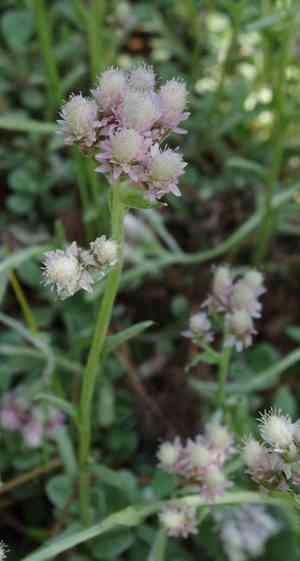
Antennaria neglecta is readily multiplied in the peak Spring period by the favored technique of seed dispersal. Successfully multiplied specimens will display robust root development and fresh leaf emergence. Guarantee appropriate soil dampness and illumination levels for peak sprouting.
Optimal Time for Field Pussytoes Propagation
Propagation Method
Seeding
Propagation Period
Spring
Tools for Field Pussytoes Propagation
Seed trays
These enable organized planting and simplify managing moisture and temperature, crucial for field pussytoes seed germination. Their shallow depth is perfect for field pussytoes's tiny seeds.
Fine-textured growing medium
A well-draining, low-nutrient substrate imitates field pussytoes's natural soil, preventing waterlogging which can harm germination and seedling growth.
Misting bottle
This tool allows for gentle hydration to maintain consistent moisture without disturbing field pussytoes's small seeds. Misting provides the right balance, as over-watering can cause delicate seeds to rot.
Plastic or glass covering
Covering seed trays with plastic or glass creates a greenhouse effect, maintaining adequate humidity and temperature, thereby boosting field pussytoes's germination rates.
Heat mat
This promotes germination by providing steady bottom warmth, which can be vital for field pussytoes seeds that may need some heat to break dormancy.
Grow lights
When natural light is insufficient, these lights offer a suitable spectrum for field pussytoes seedling growth without scorching tender foliage.
Tweezers
During thinning or transplanting seedlings, tweezers allow for careful handling of field pussytoes without harming the plant or its root system.
Dibber or toothpick
A pointed tool, like a dibber or toothpick, is useful for making small holes in the soil to sow field pussytoes's seeds at the correct depth or to assist in transplanting seedlings with minimal root disturbance.
How to Propagate Field Pussytoes
Propagation Method
Seeding
Difficulty Level
Simple
Caring for Newly Propagated Field Pussytoes
Caring for Newly Propagated Field Pussytoes
Field pussytoes is a robust perennial needing minimal care once established. It tolerates drought but thrives with occasional watering during extended dry periods. Plants prefer full sun to partial shade and well-drained soil. Deadheading is not essential, as field pussytoes does not spread aggressively, but can be done for neatness. Divide clumps every few years in spring to revitalize and spread the plant. Fertilization is generally not needed, but a light application of a balanced slow-release fertilizer can be used in spring if growth is poor.
Common Errors to Avoid When Propagating Field Pussytoes
Overwatering
A frequent error is excessive watering of field pussytoes during propagation, which can lead to root rot and fungal issues. This is problematic because field pussytoes require well-drained soil and moderate moisture levels.
Deep planting
Planting field pussytoes divisions or cuttings too deeply can impede root establishment and shoot growth, potentially causing poor aeration and increasing the risk of stem rot.
Ignoring plant division size
Making divisions too small can lead to failure to thrive due to insufficient root mass. Conversely, overly large divisions may not stimulate the necessary growth response for successful propagation.
Excessive fertilization
Applying too much fertilizer can harm field pussytoes's delicate roots and disrupt the soil's nutrient balance, potentially resulting in 'fertilizer burn' and stunted growth.
Tips for Propagating Field Pussytoes
Soil composition
Utilize a well-draining soil mix to mimic field pussytoes's natural environment, ensuring healthy root development and preventing waterlogging.
Rooting hormone
Apply a rooting hormone to field pussytoes cuttings to encourage faster and stronger root formation. This will improve the chances of successful propagation.
Correct depth
Plant divisions or cuttings at the appropriate depthâjust below the soil surface and lightly coveredâto promote efficient rooting and prevent stem rot.
Moderate watering
Provide consistent but moderate watering to keep the soil moist without saturating it, which is crucial for field pussytoes's root growth during the initial stages of propagation.



