How to Prune Field pussytoes?
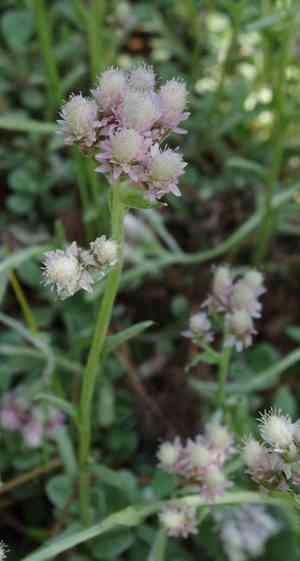
A ground-covering perennial featuring downy leaves and groupings of white, fluffy blossoms, field pussytoes flourishes with little attention. To foster robustness and preserve its form, trim faded blooms following their flowering period and eliminate any withered foliage or stalks. The most effective time for trimming is in late spring or early summer, aligning with the plant's renewal after flowering. Pruning is advantageous for averting excessive density and enhancing air movement, which can lower the likelihood of diseases for field pussytoes.
What Are the Benefits of Pruning Field Pussytoes?
What Are the Benefits of Pruning Field Pussytoes?
Trimming field pussytoes promotes robust development and helps maintain its dense form. This action can enhance air circulation, lower disease risk, and encourage thicker foliage, boosting the plant's aesthetic appeal in garden designs.
What Is the Best Time for Pruning Field Pussytoes?
What Is the Best Time for Pruning Field Pussytoes?
Trimming field pussytoes from late spring to early summer coincides with its post-flowering stage, enabling gardeners to remove spent blooms and shape the plant without disrupting initial growth cycles. This timing allows field pussytoes to recover and continue its vegetative growth throughout summer, ensuring strong health and vigor for the next season.
What Tools Do I Need to Prune Field Pussytoes?
Bypass Hand Pruners
Perfect for precise cuts, facilitating clean removal of faded flowers and damaged stems on field pussytoes, fostering healthier growth.
Snips or Micro-Tip Pruning Shears
These instruments offer accuracy for deadheading or trimming small, delicate areas of field pussytoes without harming adjacent stems or leaves.
Gardening Gloves
Offers protection for the gardener's hands when handling field pussytoes, especially when dealing with potentially rough or sharp-edged foliage.
Pruning Saw
Useful for larger or more woody stems of field pussytoes that might develop over time, though it's less common for such a small plant.
Soft-Tie Garden Wire
Helps to reposition or support the stems of field pussytoes during or after trimming for desired shape and structure without damaging fragile stems.
How to Prune Field Pussytoes
Dead Branches
Identify and remove any dead stems from field pussytoes by cutting them at the base using sharp, clean shears. This will prevent disease and promote healthy growth.
Yellow Leaves
Locate yellow or discolored leaves on field pussytoes, which often indicate stress or aging, and gently snip them off at the stem to encourage new foliage development.
Old Flowers
Cut back spent flower heads of field pussytoes to just above the first set of healthy leaves, which can stimulate a second bloom or prevent self-seeding if undesired.
Clean Up
After pruning field pussytoes, collect and dispose of all trimmings to minimize the risk of disease and insect infestation.
Inspect
Inspect field pussytoes post-pruning for any signs of pests or disease and address them accordingly to ensure the ongoing health of the plant.
Common Pruning Mistakes with Field Pussytoes
Over-Pruning
Removing too much foliage at once can stress field pussytoes, potentially leading to a weak and unhealthy plant.
Improper Tool Use
Using dull or unclean tools can cause jagged cuts and introduce diseases to field pussytoes.
Pruning Flowering Stems
Cutting off flowering stems too early can reduce the number of blooms and seeds produced by field pussytoes, which is detrimental for a plant primarily grown for its flowers.
Complete Top Removal
Cutting all of field pussytoes's stems to the same height can lead to a less natural look and adversely affect the plant's shape.
Neglecting Plant Health
Failing to remove dead or diseased growth can inhibit healthy growth and can cause disease to spread throughout field pussytoes.
Common Pruning Tips for Field Pussytoes
Selective Thinning
Remove only the necessary stems to avoid overcrowding, which maintains the plant's health and its natural shape.
Clean Cuts
Ensure cuts are clean and at a 45-degree angle to promote rapid healing. Always use sharp and sterilized pruning tools.
Post-Bloom Pruning
Cut back the faded flowers to just above a set of leaves to encourage a tidy appearance and possibly a second bloom.
Maintenance Pruning
Regularly remove dead, diseased, or damaged stems to improve air circulation and the overall health of field pussytoes.
Shape Retention
Prune field pussytoes by cutting back leggy stems to encourage a more compact and bushy growth habit.



