How Much Sunlight Do Field pussytoes Need?
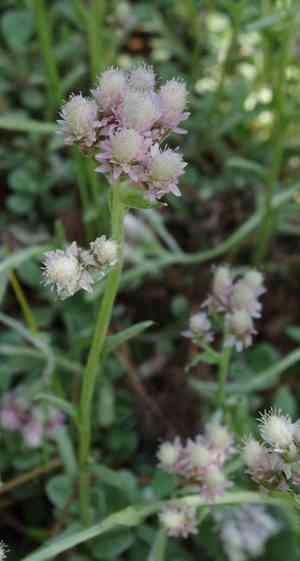
1
Field pussytoes flourish in bright sunlight, requiring more than 6 hours of direct sun each day.
2
Field pussytoes can endure some shade, but excessive shade may impede their development.
3
Slowly introducing Field pussytoes to sunlight assists them in adjusting to new surroundings.
Optimal Light Conditions for Field pussytoes
Ideal Sun Exposure Duration
Field pussytoes are heliophilic plants that flourish best with over 6 hours of direct sun daily. Placing them in a south-facing garden or an area with ample afternoon sun greatly benefits their development. Meeting these light requirements ensures your Field pussytoes have the energy for vibrant foliage and vigorous growth.
Full Sun vs. Partial Shade
While Field pussytoes prefer full sun, they can endure some partial shade. However, excessive shade may result in slower growth and reduced flowering. Aim for unobstructed sunlight for most of the day, though they can manage with morning or late afternoon shade.
Adjusting Field pussytoes to Various Light Levels
Gradual Light Acclimation
When moving Field pussytoes from a shaded or indoor setting to a brighter area, a gradual approach is essential. Sudden intense light can cause leaf scorch and plant stress. Begin by exposing them to a few hours of direct sun daily, then slowly increase the duration over one to two weeks. This gentle transition helps the plant adapt without shock.
Indicators of Excessive Sunlight
Even though Field pussytoes thrive in full sun, too much can be detrimental. If leaves appear scorched, bleached, or develop brown edges, these suggest overexposure to intense sunlight. In very hot or arid climates, providing some light afternoon shade can prevent sunburn.
Indicators of Insufficient Sunlight
Conversely, inadequate sunlight can cause Field pussytoes to become leggy, with elongated stems and fewer blooms. The foliage might also look dull. If these signs appear, consider moving the plants to a sunnier location or pruning nearby foliage that casts shade.
Seasonal Light Adjustments for Field pussytoes
Adapting to Seasonal Light Changes
Sunlight patterns shift with the seasons. In spring and summer, plants need more sun exposure for maximum growth. During fall and winter, with shorter daylight hours, you might need to reposition potted plants or trim other plants blocking the reduced light. Monitoring the light Field pussytoes receive year-round helps in making necessary adjustments.
Indoor vs. Outdoor Cultivation
Field pussytoes can be grown both indoors and outdoors. Indoor plants require a bright spot, such as a south or west-facing window. For outdoor planting, ensure a location with consistent sunlight. If outdoors, bringing them inside during winter can protect them from frost. Appropriate sunlight, whether indoors or out, is crucial.
Optimizing Growth with Proper Sunlight for Field pussytoes
Balancing Light and Hydration
Sunlight and water are vital for Field pussytoes' growth. Too much sun without enough water can lead to dehydration and wilting. Additionally, ensuring proper soil drainage prevents waterlogged roots, which harm plant health. Maintain balance by regularly checking soil moisture and watering as needed, especially during dry spells or intense sun.
Utilizing Supplemental Lighting
When natural sunlight is insufficient, artificial light can meet the needs of Field pussytoes. Grow lights are especially useful in winter or for indoor cultivation. Use full-spectrum lights and position them close enough for adequate illumination without excessive heat that could damage plants. A timer can simulate day and night cycles, optimizing growth.



