Enhancing Your Garden Design with the Field pussytoes Plant: A Landscaping Guide
1
Field pussytoes is an adaptable plant suitable for diverse environments.
2
Adding Field pussytoes to your garden can offer vibrant color variations.
3
Correct maintenance and placement are crucial for sustaining Field pussytoes' well-being.
Exploring the Contribution of Field Pussytoes to Landscape Design
Introducing Field Pussytoes: A Flexible Garden Addition
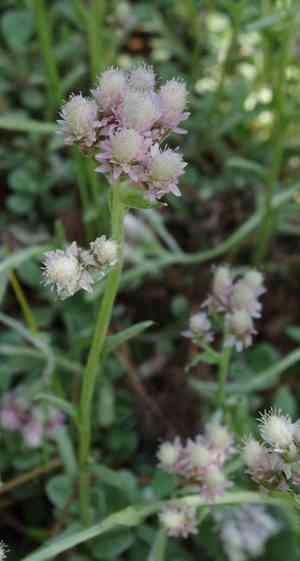
Field pussytoes is a distinctive plant that adds significant character to any garden. Whether you're an experienced gardener or a novice, Field pussytoes can be an excellent choice due to its resilience and minimal upkeep. It's recognized for its ability to adapt to various environments, making it a versatile option for diverse garden aesthetics. From rock gardens to lush, green landscapes, Field pussytoes can provide a subtle yet striking visual appeal.
Why Select Field Pussytoes for Your Outdoor Areas?
Choosing Field pussytoes for your outdoor spaces offers numerous advantages. This robust plant is not only attractive but also tolerant of drought, making it perfect for regions with limited water. Furthermore, Field pussytoes offers superb ground cover, helping to prevent soil erosion and maintain garden health. Its delicate blossoms and soft foliage can create a natural, tranquil ambiance ideal for any outdoor setting.
Design Concepts Featuring Field Pussytoes
Creating Color Contrasts with Field Pussytoes
One of the most exciting applications of Field pussytoes in landscaping is its capacity to generate vivid color contrasts. Pair Field pussytoes with plants that possess bold, bright blooms to heighten visual interest in your garden. For instance, positioning Field pussytoes alongside deep purple or red flowers can make both colors stand out, adding depth and variety to your outdoor space. This thoughtful placement can transform a simple garden into a dynamic, captivating landscape.
Utilizing Field Pussytoes in Rock Gardens
Field pussytoes is particularly well-suited for rock gardens due to its low-growing habit and preference for well-drained soil. The textured foliage of Field pussytoes complements the rugged appearance of rocks, creating a natural and cohesive design. Additionally, Field pussytoes thrives in the sunny, dry conditions typical of rock gardens, ensuring it will flourish in this environment with minimal care. By incorporating Field pussytoes into your rock garden, you can achieve a balanced and harmonious landscape.
Integrating Field Pussytoes into Native Plant Landscapes
For those aiming to establish a native plant landscape, Field pussytoes is an excellent selection. Its indigenous origins mean it can seamlessly blend with other native plants, fostering biodiversity and ecological balance in your garden. Using Field pussytoes alongside other native species can create a cohesive and sustainable outdoor space that supports local wildlife. This approach not only enhances your garden's natural beauty but also positively contributes to the environment.
Effective Planting and Positioning of Field Pussytoes
Choosing the Optimal Site for Field Pussytoes
Selecting the ideal location for Field pussytoes is vital for its growth and vitality. Field pussytoes prefers sunny or partially shaded areas with well-drained soil. When choosing a spot, consider how sunlight patterns shift throughout the day and ensure Field pussytoes receives sufficient light without excessive harsh sun exposure. Proper positioning can help it thrive and maintain its beautiful appearance across seasons.
Companion Plants for Field Pussytoes
To enhance the visual appeal of Field pussytoes in your garden, consider pairing it with complementary companion plants. Suitable companions include those that flourish in similar conditions and offer contrasting textures or colors. For instance, pairing Field pussytoes with ornamental grasses can create a lovely, natural aesthetic. Similarly, combining it with flowering perennials can add bursts of color, making your garden more vibrant and appealing.
Maintenance Advice for Thriving Field Pussytoes
Seasonal Care for Field Pussytoes
Although Field pussytoes is a low-maintenance plant, it still requires some seasonal care to remain healthy. In spring, consider trimming any dead or damaged foliage to encourage new growth. During hot summer months, ensure Field pussytoes receives adequate water, especially in areas with minimal rainfall. In fall, a light mulching can help protect roots from winter frost, ensuring Field pussytoes returns healthy and strong the following year.
Long-term Health of Field Pussytoes
Maintaining Field pussytoes' long-term health involves regular observation and occasional intervention. Watch for signs of pests or diseases and address them promptly to prevent their spread. Additionally, consider dividing mature plants every few years to sustain their vigor and prevent overcrowding. By remaining attentive to Field pussytoes' needs, you can enjoy its beauty and benefits in your garden for many years.



