How to Transplant Common bugloss?
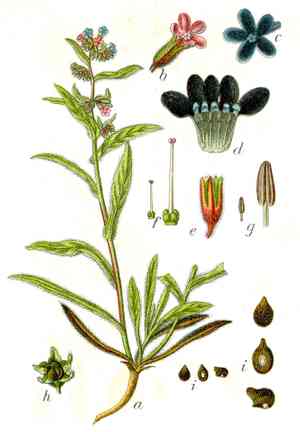
The ideal period for relocating common bugloss is from mid-spring to late spring, which facilitates robust root development. Select a bright spot featuring soil that drains effectively. Exercise caution during the transplanting process to prevent harm to the roots.
Essential Preparations Before Relocating Common Bugloss?
Optimal Period for Relocating Common Bugloss?
The best time for moving common bugloss is during mid-to-late spring, providing the gentle warmth necessary for root establishment. This green phase allows common bugloss the benefit of cooler, damp soilâperfect for roots to deepen and adapt before summer's peak. Relocating during this period utilizes the season's moderate temperatures, ensuring common bugloss has time to strengthen itself before potential summer challenges. A friendly reminder: this precise timing aligns perfectly with common bugloss's growth cycle, guaranteeing a flourishing display!
Recommended Spacing Between Common Bugloss Plants?
When getting ready to move your common bugloss, imagine each plant having ample room to expand! Aim for distances of approximately 10-12 inches (25-30 cm) between them. This provides sufficient space for them to thrive without becoming overly crowded.
Ideal Soil Mixture for Common Bugloss Relocation?
Before introducing common bugloss to your garden, prepare a comfortable bed of soil that drains well. A delightful scattering of balanced fertilizer will set the stage for a healthy beginning. Consider it providing a nourishing snack for your green companions!
Optimal Location for Your Common Bugloss?
Select a sunny spot where the sun's golden rays can reach your common bugloss daily. They thrive in locations receiving full sunlight, ready to soak up and blossom in the warm embrace of at least 6 hours of direct light each day.
Equipment Needed Before Relocating Common Bugloss?
Gardening Gloves
To safeguard your hands while handling soil and plants.
Shovel or Spade
For digging around and extracting the common bugloss from its initial spot.
Watering Can or Hose
To hydrate the common bugloss both before and after the relocation process.
Pruners or Sharp Knife
To carefully trim any dead or excessive roots.
Wheelbarrow or Garden Cart
For moving the common bugloss and soil without causing harm.
Measuring Tape
To determine the correct spacing for planting multiple common bugloss plants.
How to Extract Common Bugloss from the Soil?
How to Extract Common Bugloss from the Soil?
From Ground: Hydrate the common bugloss to moisten the soil. Use a shovel or spade to dig a wide trench around the plant, ensuring the root ball remains intact. Gently work the tool beneath the root ball and carefully lift the common bugloss from the ground.From Pot: Water the common bugloss and gently tap the pot's sides to loosen the soil. Tilt the pot sideways and carefully slide the plant out, supporting the stem's base with your hand, being careful not to pull on the stem.From Seedling Tray: Water the seedlings to make the soil damp. Use a spoon or a dibber to gently lift the seedling from the tray by pushing up from the bottom, handling the seedling by its leaves rather than its delicate stem.
Step-by-Step Guide for Relocating Common Bugloss
Preparation
Ensure the new site is ready before the relocation to minimize stress on the common bugloss. Gather all the necessary tools listed above.
Root Trimming
Snip any dead or overly long roots with pruners or a sharp knife to encourage new growth after relocation.
Plant Removal
Follow the appropriate removal method to extract the common bugloss from its original spot with minimal root disturbance.
Hole Excavation
Dig a hole in the prepared location that is twice the width of the root ball and of equal depth to promote root expansion.
Plant Placement
Position the common bugloss in the center of the hole. The top of the root ball should be level with the surrounding soil surface.
Backfilling the Hole
Gently fill the hole with the excavated soil, firming it around the root ball to eliminate air pockets. Avoid compacting the soil heavily, as this can impede root growth.
Watering
After relocating, water the common bugloss generously to settle the soil around the roots and help reduce shock.
Post-Relocation Care for Common Bugloss?
Monitoring
Regularly check the plant to ensure it is adapting well to its new location, promptly addressing any signs of stress.
Staking
If the common bugloss is tall or tends to droop, provide a stake for support until the plant establishes itself and can stand upright.
Mulching
Apply a layer of organic mulch around the base of the common bugloss to help retain moisture, suppress weeds, and regulate soil temperature.
Pruning
Remove any damaged or diseased foliage to direct the common bugloss's energy towards establishing new roots and healthy growth.
Addressing Common Issues with Common Bugloss Relocation.
Why might common bugloss wilt after relocation?
Wilting post-relocation can be due to shock. Ensure gentle handling of roots and gradual acclimatization of common bugloss to its new environment.
How can I ensure common bugloss thrives after relocation?
Water it thoroughly after relocation. Keep the soil consistently moist but not waterlogged, and provide light shade if the weather is particularly hot.
What's the ideal spacing for common bugloss during relocation?
Aim for a spacing of 10-12 inches (25-30 cm) apart. This allows room for growth and ample air circulation, reducing disease risks.
When is the best time to relocate common bugloss?
Relocation is ideal when the garden awakens in mid to late spring, ensuring the soil is warm and frost risk has passed.
Should I fertilize common bugloss after relocation?
After relocation, wait 4-6 weeks before fertilizing to avoid burning the roots. Choose a balanced fertilizer to promote healthy growth.
How deep should I plant common bugloss when relocating?
Relocate common bugloss at the same depth it was growing previously. This helps prevent stem rot and stress.
Can I relocate common bugloss on a hot day?
Relocating common bugloss on a cooler, overcast day is preferable to avoid excessive heat stress and to allow the plant to establish.
What soil condition is best for relocating common bugloss?
Use well-draining soil rich in organic matter. Common bugloss prefers a slightly moist environment but doesn't tolerate soggy soil well.
How do I prepare common bugloss for relocation?
Water common bugloss well a day before relocating to hydrate it and make root extraction easier. This minimizes transplant shock.
My common bugloss looks stressed after relocation, what should I do?
Provide consistent water and shade for a few days post-relocation and avoid disturbing the roots; it should recover with a little tender care.



