The Hidden Danger in Your Home? Unmasking the Toxicity of the Common bugloss Plant.
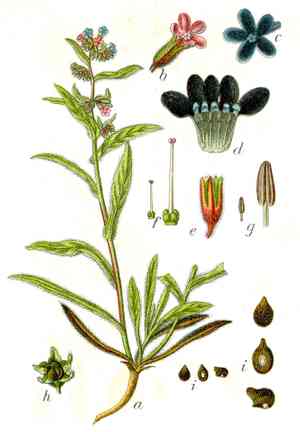
1
Common bugloss contains pyrrolizidine alkaloids, which can lead to serious issues such as liver damage and digestive problems.
2
All parts of the common bugloss plant are poisonous to people, felines, and canines, capable of causing toxicity via contact or consumption.
3
Prompt veterinary attention is essential for animals exhibiting symptoms of common bugloss toxicity, such as stomach discomfort or yellowing of the skin.
Is Common bugloss toxic to humans?
Common bugloss exhibits a moderate toxicity level and can trigger allergic responses in people. The whole plant is poisonous, and harm can result from both physical contact and consumption. Touching the plant might cause skin reactions, while eating any part can lead to more serious symptoms due to pyrrolizidine alkaloids. These compounds can harm the liver, and poisoning signs may include digestive upset, such as stomach pain, sickness, and throwing up, along with liver problems that could appear as yellowing skin or altered liver function. Extreme care is recommended to avoid accidental eating or touching common bugloss, and awareness is vital for individuals who might encounter this plant.
Is Common bugloss toxic to cat?
Common bugloss presents a moderate toxicity level for felines. Exposure to or accidental consumption of any part of the plant can lead to poisoning, as the entire plant is harmful. If consumed, cats might show symptoms including liver damage, particularly due to the presence of pyrrolizidine alkaloids. Upon observing any indications of sickness or distress in a cat that may have encountered common bugloss, it is essential to quickly seek veterinary attention to lessen the poison's effects and ensure the animal's health.
Is Common bugloss toxic to dog?
Common bugloss presents a moderate danger of toxicity to canines. Dogs can be poisoned by common bugloss through skin exposure or accidental consumption. The entire plant is poisonous, meaning any part of common bugloss has the potential to cause harm if a dog interacts with or eats it. Symptoms of poisoning in dogs can include digestive issues, liver damage, and neurological signs because of pyrrolizidine alkaloids. It is crucial for dog owners to supervise their pets closely and prevent access to common bugloss. Should a dog display any signs of poisoning, immediate veterinary care is imperative.



