Enhancing Your Garden Design with the Common bugloss Plant: A Landscaping Guide
1
Common bugloss offers aesthetic appeal and benefits native fauna.
2
Common bugloss flourishes in adequately drained soil and sun-exposed areas.
3
Common bugloss can be planted alongside different companion species to create a varied and vibrant garden.
Introducing Common bugloss to Your Garden
Why choose Common bugloss for landscaping?
Selecting Common bugloss for your garden design offers numerous advantages. This plant provides striking visual appeal, drawing in not only people but also various pollinators like bees and butterflies. Its robust nature ensures survival across diverse climates, making it a flexible addition to your garden. Furthermore, Common bugloss is known for its minimal care needs, allowing even new gardeners to enjoy its beauty without a steep learning curve.
Visual characteristics of Common bugloss
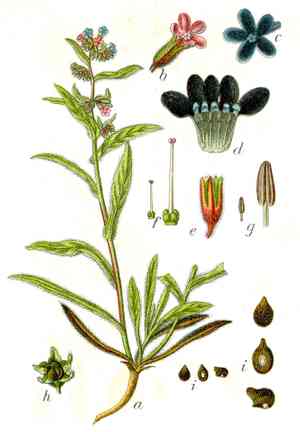
Common bugloss stands out with its vivid blue blooms that appear from early summer through late autumn. These flowers grow in clusters, forming a captivating wave of color. The leaves are also notable, featuring a rough, hairy texture that adds an interesting tactile element to your garden's overall look. The plant can reach up to 2 feet in height, making it an excellent mid-border plant that complements both shorter and taller plants.
Ideal climate and soil for planting Common bugloss
Common bugloss thrives in well-drained soils, preferring sandy or loamy types. It enjoys full sun but can tolerate partial shade, making it adaptable for various garden spots. While Common bugloss is drought-tolerant once established, it's best to keep the soil moderately moist during its initial growth stages. If you live in an area with cold winters, rest assuredâCommon bugloss can endure a fair amount of frost, adding to its resilient nature.
Designing Your Landscape with Common bugloss
Creating color contrasts with Common bugloss
One of the most exciting aspects of landscaping with Common bugloss is the chance for dramatic color contrasts. Pairing its brilliant blue flowers with plants that have yellow or orange blooms can create a striking visual impact. Additionally, using darker green foliage plants as a backdrop can make the blue flowers of Common bugloss stand out even more. Mixing Common bugloss with plants that have different textures will also add depth and interest to your garden.
Companion plants for Common bugloss
When it comes to companion planting, Common bugloss is quite adaptable. It pairs well with other perennials such as coreopsis, lavender, and yarrow. These plants not only provide a harmonious visual appeal but also complement each other in terms of growth habits and care requirements. Additionally, incorporating some taller ornamental grasses around Common bugloss can offer a lovely contrast and add movement to your landscape.
Using Common bugloss in different garden styles
Common bugloss lends itself well to various garden designs, from cottage gardens to more formal settings. In a cottage garden, it fits perfectly among a mix of other colorful, informal flowers. In a rock garden, Common bugloss can thrive in the well-drained soil while providing a splash of color against stone and gravel. Even in a modern minimalist garden, a strategically placed clump of Common bugloss can serve as a focal point, breaking up the austerity with nature's beauty.
Maintaining Common bugloss in Your Landscape
Basic upkeep and seasonal care tips
Maintaining Common bugloss is quite straightforward, making it a favorite among gardeners. Regular watering is essential during the initial growth phase, but once established, Common bugloss is fairly drought-resistant. Removing spent flowers will encourage continuous blooming throughout the season. In the fall, cutting back the plant to its base helps it return stronger in the spring. Mulching is beneficial as it retains soil moisture and suppresses weeds.
Managing common issues with Common bugloss
Like any plant, Common bugloss can encounter a few issues, but they're generally easy to manage. Aphids and spider mites are minor pests that can be controlled with a simple insecticidal soap spray. The plant also has good disease resistance, but overwatering can lead to root rot. Always ensure the soil is well-draining to prevent this. If powdery mildew appears, adequate spacing and proper air circulation can mitigate this issue.
Long-term health and vibrancy of Common bugloss
For long-term health and vibrancy, feeding Common bugloss with a balanced fertilizer in the early spring can boost its growth. Additionally, dividing the plant every few years in the fall helps prevent overcrowding and ensures healthy new growth. Monitoring the soil pH and keeping it slightly acidic to neutral will also support Common bugloss's overall health. Keeping these practices in mind will allow Common bugloss to flourish and be a stunning part of your landscape for years to come.
Benefits of Common bugloss in Ecological Landscaping
Attracting wildlife with Common bugloss
Common bugloss is a magnet for pollinators, bringing bees, butterflies, and even hummingbirds to your garden. This influx of pollinators not only adds life and movement to your landscape but also aids in the pollination of other plants in your garden. Birds may also be attracted to the seeds, providing additional ecological benefits.
Improving biodiversity with Common bugloss
Incorporating Common bugloss into your garden can significantly boost local biodiversity. Its flowers provide nectar and pollen for insects, while its overall presence supports a variety of wildlife interactions. By fostering a diverse ecosystem, your garden becomes a resilient and self-sustaining environment, contributing positively to the broader ecological landscape.
Erosion control and other ecological benefits
Common bugloss can also play a role in soil stabilization, helping to prevent erosion in areas prone to soil loss. Its root system anchors the soil effectively, providing an eco-friendly solution to erosion challenges. Furthermore, Common bugloss enhances soil health by contributing organic matter and supporting beneficial soil organisms.



