How to Propagate Common bugloss?
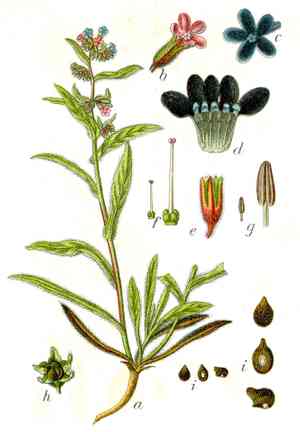
Anchusa officinalis, characterized by its vivid azure blossoms and coarse foliage, flourishes when reproduced via seeding. To achieve successful growth, the seeds ought to be scattered on the surface of a porous soil mixture, favoring illumination, which encourages sprouting. A light compression into the growing medium is advantageous. Appropriate distancing fosters vigorous development, guaranteeing each plant possesses sufficient space to prosper. Steady hydration is essential, yet precautions must be taken to prevent saturated conditions that could harm the young plants' progress. Diligent adherence to these particular requirements will yield flourishing examples of Anchusa officinalis.
Optimal Period for Propagating Common Bugloss
Propagation Method
Seeding
Propagation Period
Spring
Tools for Common Bugloss Propagation
Seed trays
Seed trays are vital for propagating common bugloss via sowing, offering an organized space for seed placement and initial seedling development. Their compartments ensure proper spacing, promoting air circulation and preventing disease spread, which is crucial for common bugloss's early health.
Soil medium
A suitable soil medium, specifically one that drains well and is fertile, is crucial for the successful germination of common bugloss seeds. It supplies essential nutrients and support for young plants. Employing a sterile seed-starting mix can lessen the incidence of soil-borne diseases that might harm delicate common bugloss seedlings.
Misting bottle
A misting bottle is essential for gently hydrating common bugloss seeds. Misting helps maintain ideal soil moisture levels without causing erosion or disturbing the seeds. Consistent and appropriate hydration is critical for common bugloss's germination and initial growth.
Plant labels and marker
Plant labels and a waterproof marker are important for tracking sowing dates and identifying common bugloss. This is particularly useful when propagating multiple plant species simultaneously, ensuring that specific care requirements for each, including common bugloss, are properly met.
Grow lights (if indoors)
If propagating common bugloss indoors, grow lights are beneficial for providing sufficient light intensity for seed germination and growth. Grow lights help mimic natural sunlight, fostering healthier and stronger development, which is crucial for common bugloss's early stages.
How to Propagate Common Bugloss?
Propagation Type
Simple
Caring for Newly Propagated Common Bugloss
Caring for Newly Propagated Common Bugloss
As common bugloss matures, it requires minimal upkeep. Ensure it is planted in an area receiving full sun to partial shade and in soil that doesn't retain excessive moisture. Water moderately, allowing the soil to dry slightly between watering. Removing spent blooms can encourage more flowering. During peak growth, a balanced fertilizer may be applied to support robust development. Winter care involves protecting roots in colder climates with a mulch layer to insulate against freezing temperatures.
Common Errors to Avoid When Propagating Common Bugloss
Over-watering
Excessive moisture can lead to root rot, which is harmful to common bugloss's roots, impeding healthy growth.
Deep sowing
Planting common bugloss's seeds too deeply can hinder germination, as common bugloss seeds require light to sprout successfully.
Ignoring soil composition
Using an inappropriate soil mix can negatively impact common bugloss's root development. Common bugloss prefers well-draining soil to prevent waterlogging.
Neglecting early weeding
Allowing weeds to grow around young common bugloss can result in competition for resources, reducing the plant's chances of establishment.
Tips For Propagating Common Bugloss
Surface sowing
Scatter common bugloss's seeds on the soil surface, as they need light to germinate, and gently press them into the soil for good contact.
Moisture control
Keep the soil moist but not waterlogged to prevent root rot while propagating common bugloss.
Soil preparation
Use a well-draining soil mix that will support common bugloss's growth without retaining excessive moisture that could harm the plant.
Timely weeding
Regularly remove weeds around common bugloss to ensure it has access to all necessary nutrients without competition.



