How to Prune Common bugloss?
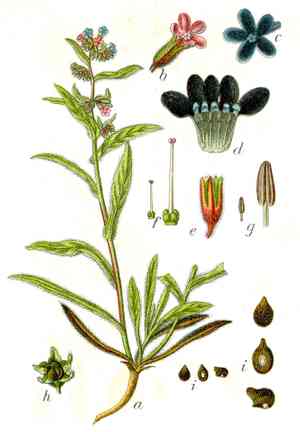
This enduring herb is recognized for its coarse stalks and vivid azure blossoms. For common bugloss, trimming ought to concentrate on removing faded flowers to stimulate fresh development and preserve a tidy look. The most effective pruning takes place in late spring or early summer following the blooming period. Eliminating dead or compromised stems boosts plant health and deters self-propagation, which might result in undesirable dissemination. Consistent trimming additionally fosters air movement, diminishing the likelihood of fungal infections.
What Are the Benefits of Pruning Common Bugloss?
What Are the Benefits of Pruning Common Bugloss?
Trimming common bugloss promotes more robust development by reallocating energy to new shoots. Regular cutting helps preserve its form, ensuring a neat look and preventing excessive growth.
What Is the Best Time for Pruning Common Bugloss?
What Is the Best Time for Pruning Common Bugloss?
The optimal periods for trimming common bugloss are late spring and early summer. Pruning in late spring coincides with the plant's post-flowering phase, allowing gardeners to remove spent flower stalks and any frost-damaged foliage without disrupting its natural growth cycle. This timing encourages fresh growth and helps maintain the plant's shape. Early summer pruning is beneficial as it permits shaping the plant after the main flush of spring growth. During this time, light trimming can also help stimulate a second bloom in certain varieties. These seasons ensure the plant has had sufficient time to establish growth in spring and can quickly recover from pruning, maintaining overall health and vigor. Pruning during dormant or cold seasons can harm common bugloss, potentially leading to reduced flowering or even plant demise due to increased susceptibility to frost damage.
What Tools Do I Need to Prune Common Bugloss?
Hand Pruners
Perfect for trimming and shaping common bugloss, offering precise cuts for removing dead or overgrown branches. Hand pruners are suitable because common bugloss is a herbaceous plant with soft stems that do not require heavy-duty cutting implements.
Shears
Useful for clipping back foliage and deadheading flowers in larger clusters. Shears enable quick and efficient cutting across the plant's width, which is advantageous for managing common bugloss's sprawling growth habit.
Gardening Gloves
Protects hands from thorns and rough foliage while trimming common bugloss. Gloves provide a better grip on tools and minimize the risk of cuts or scrapes during the process.
Pruning Saw
Though less frequently required, a pruning saw can be utilized for common bugloss if there are particularly thick stems or branches that hand pruners cannot easily cut through. This tool should be used cautiously to avoid unnecessary harm.
How to Prune Common Bugloss
Diseased Leaves
Identify and remove any leaves from common bugloss that exhibit signs of illness. Use sterilized clippers to carefully cut the leaf at the stem's base, avoiding damage to healthy sections.
Withered Leaves
Locate and trim withered or dead leaves to promote new growth in common bugloss. Snip them off close to the main stem without leaving stubs, as this could lead to new disease.
Diseased Stems
Examine common bugloss for any stems that are diseased. Cut these stems back to healthy tissue, ensuring a clean cut angled away from the nearest bud to prevent water accumulation.
Cleanup
Gather and dispose of all pruned diseased and withered material away from common bugloss to minimize the risk of disease spread.
Tools Care
Clean and sanitize all pruning tools after use to prevent the spread of pathogens to common bugloss or other plants.
Common Pruning Mistakes with Common Bugloss
Over-Pruning
Trimming too much can stress common bugloss and diminish its vigor. It is crucial to avoid removing more than one-third of the plant at any given time to prevent stunting its growth.
Improper Cutting Technique
Using dull or dirty tools, or making imprecise cuts, can damage the stems of common bugloss and lead to disease. Always use clean, sharp tools and make angled cuts above a bud or branching point.
Disregarding Plant Health
Pruning without assessing the health of common bugloss can remove healthy growth unnecessarily. It's a common error to prune without first identifying dead, diseased, or damaged stems that should be targeted.
Neglecting Shape
Without considering the natural shape of common bugloss, pruning can result in an unnatural appearance or uneven growth. Understanding the growth habit is key to maintaining the aesthetic appeal of the plant.
Common Pruning Tips for Common Bugloss
Selective Removal
Target dead, diseased, or damaged stems for removal to maintain the health and appearance of common bugloss. This selective pruning will also help to improve air circulation and sunlight penetration.
Encouraging Bushiness
Pinching back the tips of young plants can encourage common bugloss to become bushier and fuller. This simulates the natural growth pattern and results in a more visually pleasing plant.
Promote Flowering
Remove spent flowers, a process known as deadheading, to encourage more blooms and extend the flowering period of common bugloss. Regular deadheading can also prevent the plant from expending energy on seed production.
Rejuvenation Pruning
For older common bugloss plants that are becoming woody or leggy, rejuvenation pruning can help to restore vitality. This involves cutting back the plant more severely, but still being mindful not to over-prune.



