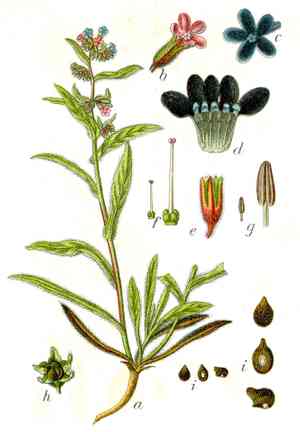
Common bugloss (Anchusa officinalis)
Also known as: Alkanet, Anchusa, Starflower, Orchanet
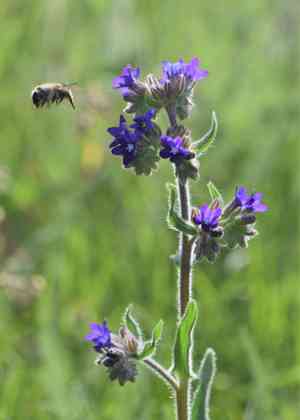
Common bugloss attracts many bees due to its high nectar production, serving as a valuable food source for pollinators. The plant often thrives in disturbed soils and is sometimes considered a noxious weed. Additionally, its deep purple roots are used to make dyes for soaps and food items.
Attributes of Common bugloss
Images of Common bugloss
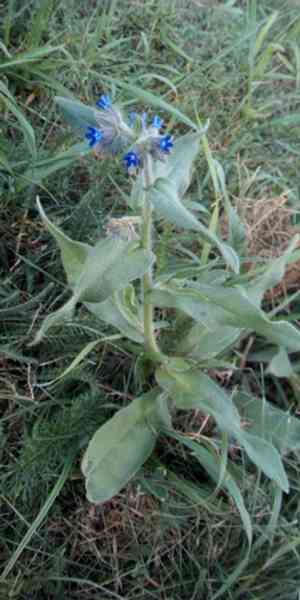
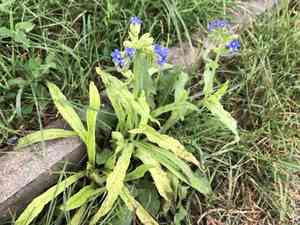
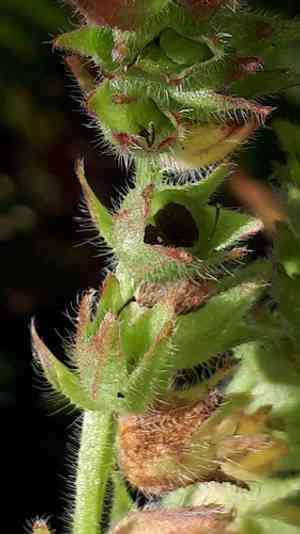
Quickly Identify Common bugloss
Scientific Classification of Common bugloss
Planting and Growing of Common bugloss
 How to Water Common bugloss?
 What Are the Sunlight Requirements for Common bugloss?
 What Is the Ideal Temperature Range for Common bugloss?
 What Soil is Best for Common bugloss?
 How to Fertilize Common bugloss?
 How to Prune Common bugloss?
 How to Propagate Common bugloss plant?
 How to Repot Common bugloss plant?
Toxicity of Common bugloss
Is Common bugloss toxic to humans?
Common bugloss exhibits a moderate level of toxicity and can trigger allergic responses in humans. The entire plant is considered toxic, and poisoning can occur through both skin contact and ingestion. Touching the plant may lead to dermatological reactions, while consuming any part can result in more severe symptoms owing to the presence of pyrrolizidine alkaloids. These compounds have the potential to cause liver damage, and signs of poisoning may include gastrointestinal issues such as abdominal pain, nausea, and vomiting, as well as hepatic complications that might present as jaundice or alterations in liver function. Extreme caution is highly recommended to avoid accidental ingestion or contact with common bugloss, and awareness is vital for individuals who may encounter this plant.
Is Common bugloss toxic to cat?
Common bugloss has a moderate toxicity level for cats. Exposure to or unintentional consumption of any part of the plant may result in poisoning, since the entire plant is inherently toxic. If a cat ingests common bugloss, it may show symptoms such as liver damage, particularly due to the presence of pyrrolizidine alkaloids. If you observe any signs of illness or distress in a cat that may have interacted with common bugLoss, it is essential to quickly seek veterinary assistance to minimize the impacts of the toxin and safeguard the animal's health.
Is Common bugloss toxic to dog?
Common bugloss presents a moderate toxicity risk for dogs. Canines can become poisoned from common bugloss through skin contact or unintentional ingestion. Every part of the plant is toxic, indicating that any section of common bugloss can potentially cause harm if a dog interacts with or consumes it. Symptoms of poisoning in dogs may include gastrointestinal distress, liver damage, and neurological signs due to the presence of pyrrolizidine alkaloids. It is essential for dog owners to keep a close watch on their pets and restrict access to common bugloss. If a dog shows any signs of poisoning, it is vital to seek immediate veterinary assistance.



