How to Transplant Joseph's coat?
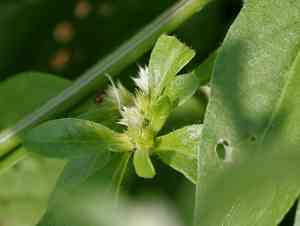
The ideal period for relocating joseph's coat spans from the beginning to the middle of summer, since elevated temperatures and extended daylight foster robust development. Select a bright spot featuring soil that drains effectively, and contemplate offering some filtered sunlight for peak outcomes. Bear in mind, a delicate approach is crucial when managing this fragile specimen!
Essential Preparations Before Relocating Joseph's Coat?
When is the Best Time to Move Joseph's Coat?
Choose to transplant joseph's coat during the pleasant summer season, specifically from early to mid-season. The warmth and sunlight promote robust development. Moving it during this period allows the plant a longer growth cycle, fostering optimal progress before colder weather.
What is the Recommended Spacing Between Joseph's Coat Plants?
For joseph's coat to flourish, it's ideal to space them 6-12 inches (15-30 cm) apart in your garden. This provides ample room for healthy growth and showcases its attractive foliage.
What is the Optimal Soil Blend for Joseph's Coat Transplanting?
Prepare a well-draining soil mixture combining compost, peat moss, and garden soil. Incorporate a slow-release, balanced fertilizer such as 10-10-10 to supply the necessary nutrients for joseph's coat's vivid leaves.
Where Should You Replant Your Joseph's Coat?
Select a spot that receives at least 6 hours of daily sunlight. Joseph's coat thrives in bright light, so a location with morning sun and filtered afternoon shade is perfect for maintaining its vibrant hues.
What Tools Should You Prepare Before Transplanting Joseph's Coat?
Gardening Gloves
To safeguard your hands while handling soil and the joseph's coat plant
Trowel
For excavating a hole in the ground for the joseph's coat plant
Gardening Shovel or Spade
Should you need to extract the joseph's coat plant from the ground, this implement will be very useful
Watering Can
You'll require this to hydrate the joseph's coat plant both before and after relocation
Mulch
To safeguard the joseph's coat plant from dehydration and inhibit weed growth post-transplant
How to Extract Joseph's Coat from its Current Location?
How to Extract Joseph's Coat from its Current Location?
From Ground: First, moisten the joseph's coat plant's soil. Then, using a gardening shovel, dig around the plant, being careful not to harm the root system. Once the root ball is detached from the soil, gently lift the plant from its original spot.From Pot: To remove the joseph's coat plant from a container, first water it to slightly dampen the soil. Then, invert the pot while supporting the plant with your hand. Gently tap to dislodge the plant and soil from the pot.From Seedling Tray: If the joseph's coat plant is in a seedling tray, water it initially. Carefully grasp the seedling by its leaves (not the stem) and push from the bottom of the cell to lift the plant out. Be cautious not to damage the root system.
Step-by-Step Guide for Relocating Joseph's Coat
Excavating the Hole
Measure the size of the joseph's coat plant's root ball and dig a hole that is twice as wide and slightly shallower than the root ball.
Positioning the Plant
Place the joseph's coat plant in the hole, ensuring the top of the root ball is level with or slightly above the ground surface. Backfill the hole with the original soil, pressing gently.
Watering
After relocating the joseph's coat, water it thoroughly, but avoid excessive watering to prevent root rot.
Applying Mulch
Spread a layer of mulch around the joseph's coat plant, leaving a space around the stem.
How to Care for Joseph's Coat After Relocation?
Watering
Water the joseph's coat consistently for the initial weeks post-transplant to aid in root establishment. However, avoid over-watering to prevent root rot.
Monitoring
Regularly inspect the joseph's coat for any indications of stress, such as wilting or yellowing leaves. If you observe anything unusual, consider consulting local nurseries or extension services.
Pruning
If the joseph's coat plant is a rather large specimen and experiencing shock from the transplanting process, you might need to trim it back. Pruning can decrease water demand and assist the plant in recovery.
Addressing Common Issues with Joseph's Coat Relocation.
When is the optimal period to move joseph's coat?
Joseph's coat thrives when moved during the warm season from early to mid-summer. Its tolerance for high temperatures makes it an ideal summer plant.
What is the best spacing for joseph's coat when relocating?
Ensure that joseph's coat has ample room to grow. The ideal distance between plants is 6-12 inches (15-30cm).
What should I do if joseph's coat leaves begin to wilt after relocation?
Wilting can stem from transplant shock. Keep the soil moist, especially during the first few weeks. Consistent watering will help joseph's coat acclimate quickly.
Should I trim the joseph's coat during relocation?
Yes, light pruning beneficially stimulates the plant's growth. Cut off approximately one-third of the plant, allowing it to focus more on root development.
What kind of soil does joseph's coat prefer during relocation?
Joseph's coat favors well-draining soil. It's best if the soil is rich in organic matter, as this will help the plant grow rapidly and healthily.
Is it necessary to add fertilizer when relocating joseph's coat?
Yes, incorporating a slow-release fertilizer at planting time can supply joseph's coat with essential nutrients it needs to grow strong and vibrant.
Should I relocate joseph's coat into direct sunlight or partial shade?
Joseph's coat can endure a wide range of light conditions, but the most vivid color is achieved in full sun. Therefore, plant it where it can receive abundant sunlight.
How to handle joseph's coat roots during relocation?
Always handle joseph's coatâs roots gently during transplanting. Loosen the root ball with your fingers to encourage it to spread into the new soil.
What happens if joseph's coat isn't relocated properly?
If not moved correctly, joseph's coat may exhibit stunted growth or wilting. Poor relocation could also make it susceptible to pests and diseases.
What precautions are needed to safeguard newly relocated joseph's coat?
After relocating joseph's coat, provide ample watering, shield it from strong winds, and maintain a consistent care regimen to encourage healthy growth.



