How to Overwinter Joseph's coat
1
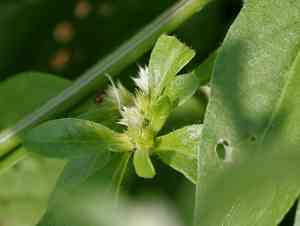
Joseph's coat is a delicate plant and should be moved indoors prior to the initial frost.
2
Optimal indoor temperatures for Joseph's coat are between 15°C and 24°C (59°F and 75°F).
3
Confirm your Joseph's coat receives 6-8 hours of filtered sunlight each day throughout winter.
Why Overwinter Joseph's coat?
Why Overwinter Joseph's coat?
Overwintering your Joseph's coat (a delicate plant) is essential if you reside in a region with harsh winters. This plant flourishes in warm environments and is susceptible to frost. By relocating it indoors, you shield it from severe weather, ensuring it stays vibrant and healthy as temperatures fall. Winter care allows your plant to rest and rejuvenate, ready to thrive again when spring arrives.
Preparing Joseph's coat for Winter
Assess Plant Health
Prior to bringing your Joseph's coat inside for the winter, thoroughly evaluate its condition. Look for any indications of illness, damage, or pest infestations. Healthy plants are more likely to endure the indoor transition and survive the winter.
Pruning for Overwintering
Lightly prune your Joseph's coat to remove any dead or damaged foliage. This helps decrease the risk of disease and minimizes the space required for indoor storage. Aim to trim back approximately one-third of the plant, focusing on older growth and elongated branches.
Cleaning and Inspecting for Pests
Before moving your plant indoors, clean it thoroughly. This involves washing the leaves and stems to remove dirt and checking for pests like aphids, spider mites, and whiteflies. Use a gentle insecticidal soap if necessary, and ensure the plant is pest-free to prevent infestations inside your home.
Indoor Care Tips During Winter
Light Requirements
Ensure your Joseph's coat receives sufficient light during the colder months. Position it near a window where it can get 6-8 hours of indirect sunlight daily. If natural light is limited, consider using a grow light to supplement its light needs.
Ideal Temperature and Humidity
Maintain indoor temperatures between 15°C to 24°C (59°F to 75°F) to keep your Joseph's coat comfortable. Additionally, this plant prefers moderate humidity levels. Use a humidifier if the air in your home is too dry, especially when heating systems are active.
Watering Schedule
During winter, Joseph's coat requires less water than in the active growing season. Water the plant when the top 2-3 centimeters (1 inch) of soil feels dry. Be careful not to overwater, as this can lead to root rot. Always ensure the pot has good drainage.
Fertilization
Fertilize sparingly during winter, as the plant's growth slows down. A balanced, water-soluble fertilizer at half the recommended strength once a month is sufficient. Over-fertilization can harm the plant, so less is more.
Common Issues and Solutions
Dealing with Leaf Drop
Leaf drop can be a common issue when transitioning Joseph's coat indoors. This is usually due to changes in light and humidity. Ensure stable conditions and avoid overly dry air to minimize leaf drop. Regular misting can also help.
Preventing Root Rot
Root rot is often caused by overwatering. Use well-draining soil and pots with drainage holes to prevent water from pooling at the bottom. Water less frequently, ensuring the soil dries out slightly between waterings.
Managing Pests Indoors
Indoor conditions can sometimes lead to pest problems. Regularly inspect your Joseph's coat for signs of pests. If you notice any, such as discolored leaves or a sticky residue, treat promptly with insecticidal soap or neem oil.



