Enhancing Your Garden Design with the Joseph's coat Plant: A Landscaping Guide
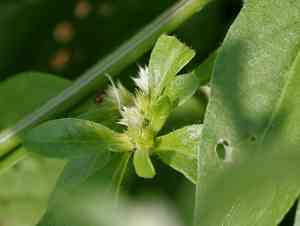
1
Joseph's coat brings vivid hues to any outdoor space, boosting its aesthetic charm.
2
Joseph's coat pairs well with diverse companion flora to achieve a harmonious appearance.
3
Appropriate seasonal maintenance guarantees Joseph's coat stays a prominent element throughout the year.
An Introduction to Joseph's Coat in Outdoor Settings
Understanding the visual appeal of Joseph's coat
A key attractive quality of Joseph's coat is its lively and varied color range. The plant showcases an array of shades, from deep purples and greens to bright reds and yellows, making it a striking addition to any garden. These colors can create a vivid and dynamic outdoor space, drawing the eye and adding a personal touch to your garden. The visual charm of Joseph's coat stems not only from its colors but also from its diverse leaf shapes and sizes, which provide texture and depth to the garden.
The adaptability of Joseph's coat in landscape design
Joseph's coat is remarkably adaptable, fitting well into various garden styles, whether you're aiming for a structured garden, a tropical haven, or a relaxed, cottage-like feel. It can be utilized as ground cover, in borders, or even in ornamental pots and hanging containers. This flexibility makes Joseph's coat a favorite among landscape artists and gardeners alike. Whether you are lining paths or crafting intricate designs with different varieties, Joseph's coat can seamlessly integrate or boldly stand out, depending on your preference.
Integrating Joseph's Coat into Your Garden
Choosing the optimal spot for Joseph's coat
Selecting the ideal location for Joseph's coat in your garden is vital. It thrives in well-drained soil and performs best in a spot that receives partial to full sun exposure. Consider planting it in areas where its vibrant colors can be best appreciated, such as near pathways or garden entrances. Ensuring it has ample room to grow without being overshadowed by larger plants will help it flourish and become a focal point in your garden.
Companion plants that complement Joseph's coat
Pairing Joseph's coat with suitable companion plants can amplify its visual impact. Consider combining it with plants that have contrasting foliage or blooms, such as ornamental grasses or flowers with different color schemes. This creates a well-rounded and aesthetically pleasing garden. Additionally, choosing companions that have similar light and moisture needs will simplify upkeep and ensure all plants thrive. Perennials like hostas or flowering annuals like petunias often pair well with Joseph's coat, offering a beautiful blend of textures and colors.
Seasonal Considerations for Joseph's Coat
Optimal times of the year to plant Joseph's coat
Timing your planting of Joseph's coat can significantly impact its success. The best periods to plant Joseph's coat are during the spring and early summer when the soil has warmed up sufficiently. This gives the plant ample time to establish itself before the colder months. Avoid planting during the peak of summer as extreme heat can stress the young plants. Early and late in the growing season are ideal as the moderate conditions support healthy growth and development.
How seasonal changes affect Joseph's coat
Seasonal variations can impact Joseph's coat in various ways. During the active growth period, consistent watering and feeding will keep Joseph's coat healthy and vibrant. As temperatures decrease in the fall and winter, the plant's growth may slow, and it could lose some of its vivid colors. However, with proper protection from frost and cold weather, Joseph's coat can often survive and rebound when warmer weather returns. Using mulch to insulate the roots and providing some cover during frosty nights can help maintain Joseph's coat's health through seasonal changes.
Design Tips and Tricks with Joseph's Coat
Creating focal points using Joseph's coat
Joseph's coat can be effectively used to create focal points in your garden. Its vibrant colors and contrasting textures make it an ideal candidate for drawing attention to specific areas. Plant Joseph's coat en masse in a single color block for a striking effect, or mix different varieties to create a patchwork of hues. Positioning it in prominent places, such as the center of a garden bed or at the end of a pathway, can highlight its beauty and create a visual anchor in your landscape design.
Balancing color and texture with Joseph's coat
Balancing the color and texture of Joseph's coat with other elements in your garden is key to achieving a harmonious design. Use Joseph's coat's bold colors to complement or contrast with the subtle greens of shrubs and the softer tones of perennials. Mixing different textures, such as pairing Joseph's coat's smooth leaves with the feathery foliage of grasses, can add depth and interest to your garden. By thoughtfully arranging Joseph's coat with other plants, you can create a dynamic and visually appealing outdoor space.
Maintaining the Beauty of Joseph's Coat
Simple upkeep tips for lasting impact
Maintaining the vibrant appearance of Joseph's coat is relatively straightforward. Regular watering, especially during dry spells, will keep the plant healthy. Applying a balanced fertilizer every few weeks can promote growth and enhance the colors of the foliage. Trimming back any leggy growth and removing dead or damaged leaves will keep the plant looking neat and tidy. Consistent care will ensure that Joseph's coat remains a stunning feature in your garden.
Seasonal grooming and maintenance practices
Seasonal maintenance is essential for keeping Joseph's coat in top condition. In the spring, prune back any winter damage to allow new growth to flourish. During the summer, regular deadheading and light trimming will encourage bushier growth. As fall approaches, prepare Joseph's coat for colder weather by reducing watering and applying mulch to protect the roots. These seasonal practices will help Joseph's coat stay healthy and visually appealing throughout the year.



